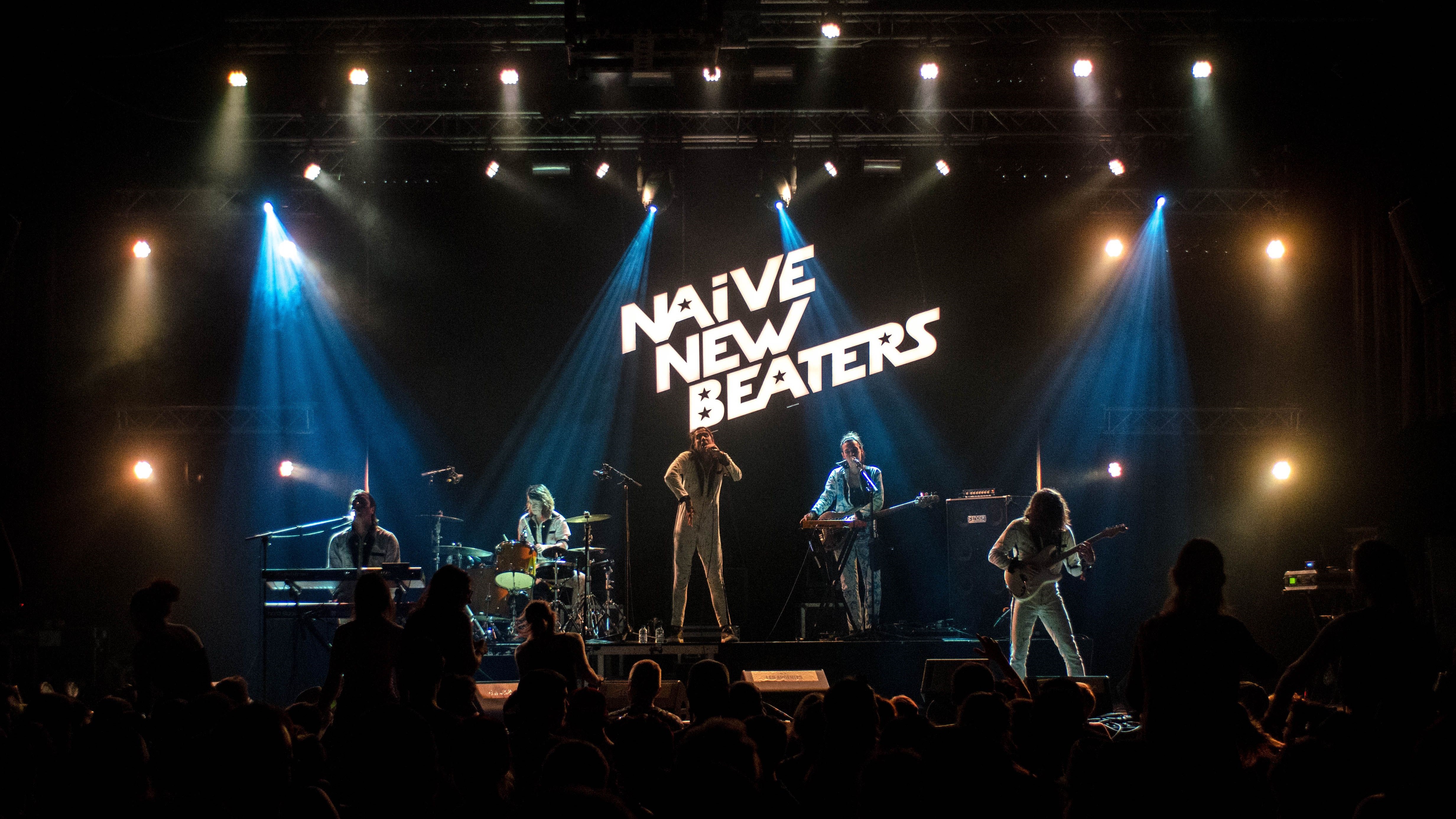

The Rise of Direct-to-Fan Models in Music and Entertainment
What Is Direct-to-Fan, and Why Now?
For decades, the traditional entertainment industry operated through gatekeepers: record labels controlled distribution, booking agents controlled access to venues, and streaming platforms controlled listener relationships. Today, an increasing number of musicians, comedians, dancers, and other performers are building sustainable careers by connecting directly with their audiences, retaining greater control and a larger share of revenue.
This shift didn't happen overnight. It was enabled by a combination of technological infrastructure—social media, email marketing, subscription platforms, and payment processors—and a fundamental change in performer economics. As traditional revenue streams like radio play and CD sales declined, and as streaming royalties proved insufficient for most artists, the appeal of direct fan relationships became undeniable.
Revenue Models That Work
Direct-to-fan strategies take many forms, each with distinct advantages:
- Subscription and membership models: Fans pay recurring monthly fees for exclusive content, early releases, or community access. This creates predictable income and deepens fan loyalty.
- Digital product sales: Music, beats, courses, or merchandise sold through an artist's own platform or curated marketplaces bypass traditional wholesale markups.
- Ticketed events and streams: Virtual concerts, masterclasses, and Q&A sessions allow performers to monetize their time directly, especially valuable for artists with global audiences unable to attend in-person shows.
- Patronage platforms: Fans can support creators on a per-creation basis or through ongoing pledges, building sustainable income from dedicated supporters.
- Email marketing and owned channels: By maintaining direct contact with fans through email lists or messaging apps, artists avoid algorithmic invisibility and maintain communication when social platforms change.
The Business Case for Artists
The appeal of direct-to-fan models is largely financial. Traditional recording contracts and booking arrangements often leave performers with 10–20% of revenue after labels, distributors, agents, and platforms take their cuts. By going direct, artists can retain 70–90% of what fans pay them.
Beyond revenue share, direct models offer creative control. Artists decide what content to release, when to release it, and to whom. They're not beholden to algorithm changes or platform policy shifts. They build sustainable careers based on genuine fan relationships rather than the fickleness of streaming playlists or social media virality.
For emerging performers especially, direct-to-fan approaches democratize opportunity. You don't need a major label, booking agent, or record deal to reach an audience and earn meaningful income. A guitarist, comedian, or dancer with 500 dedicated fans paying £5 monthly generates more reliable income than millions of passive streams.
Challenges and Limitations
The direct-to-fan model isn't a universal solution. It requires performers to be entrepreneurs—handling marketing, customer service, payment processing, and tax compliance alongside their creative work. This administrative burden is significant, especially for performers early in their careers.
There's also a skills and platform barrier. Success in direct-to-fan models depends on understanding audience psychology, digital marketing, and technology. Performers without these skills or interest may find value in traditional intermediaries who handle these functions.
Additionally, direct models work best for artists with existing audiences or strong personal brands. Building a fanbase from zero is harder without the reach and credibility that traditional industry channels provide. Most successful direct-to-fan strategies combine elements of both—using traditional channels to build initial audiences, then deepening relationships through direct models.
The Hybrid Future
The most successful contemporary performers rarely operate in pure isolation from traditional industry structures. Instead, they use a hybrid approach: maintain streaming presence for discovery, use social media for audience building, leverage booking agents for high-value live work, yet maintain direct relationships through email, merchandise, exclusive content, and fan communities.
This hybrid model represents the likely future of entertainment economics. Traditional channels remain valuable for reach and credibility, but direct relationships are increasingly central to artist sustainability and creative independence. For musicians, comedians, dancers, and other professionals building careers today, understanding and implementing direct-to-fan strategies isn't optional—it's essential infrastructure for long-term success and autonomy.