 Giglive
Blog
Insights, tips, and news for working entertainers.

The Setlist Hostage Crisis: Why Artists Lost Control of What They Play
Streaming algorithms, label demands, and fan expectation have conspired to trap performers in rigid setlists. The freedom to improvise is disappearing.
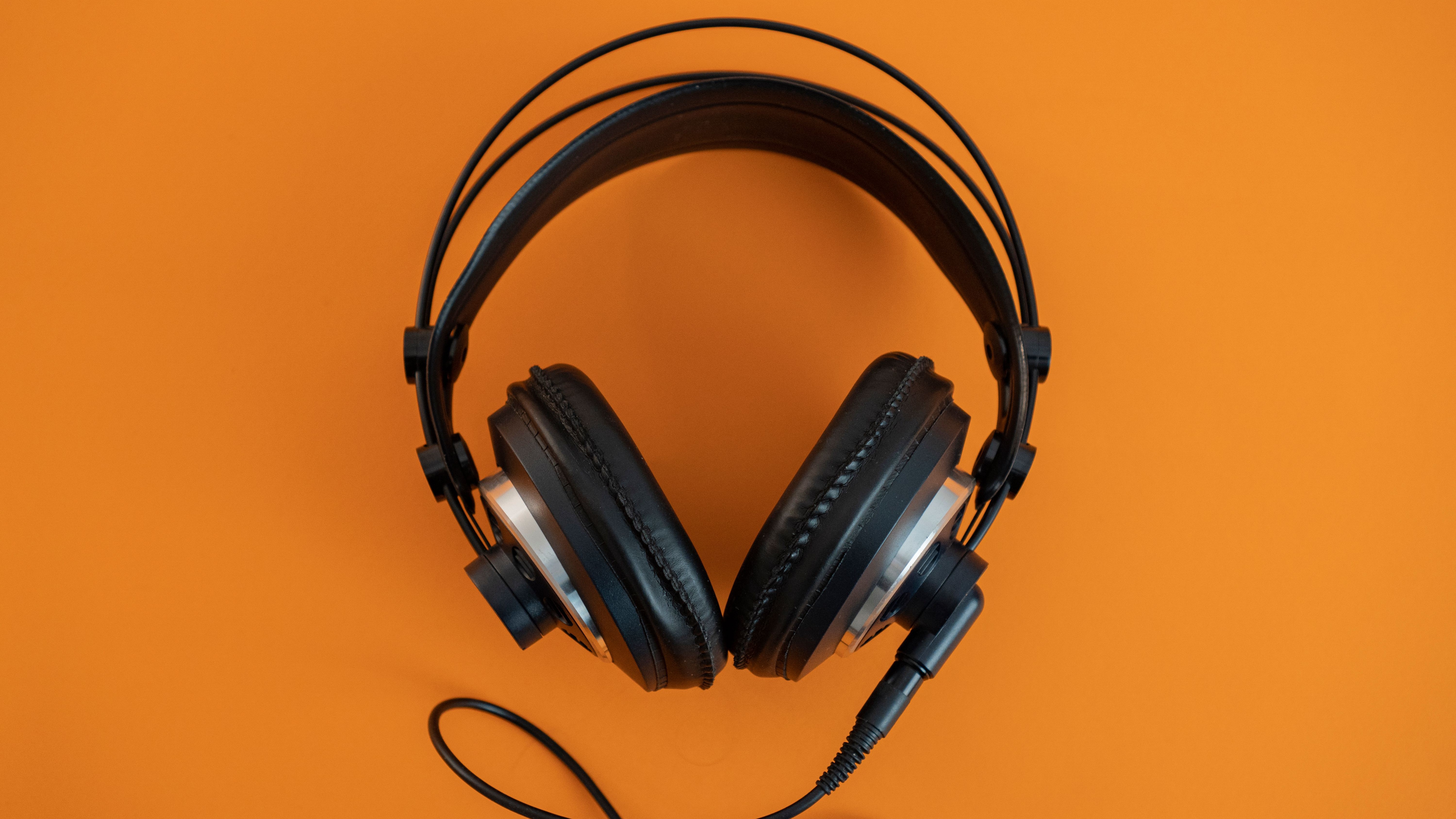
The Silent Session: Why Studios Are Ditching Headphones
From tracking to mixing, headphone-dependent workflows are being challenged by engineers who say cans are limiting what they—and their artists—can actually hear.
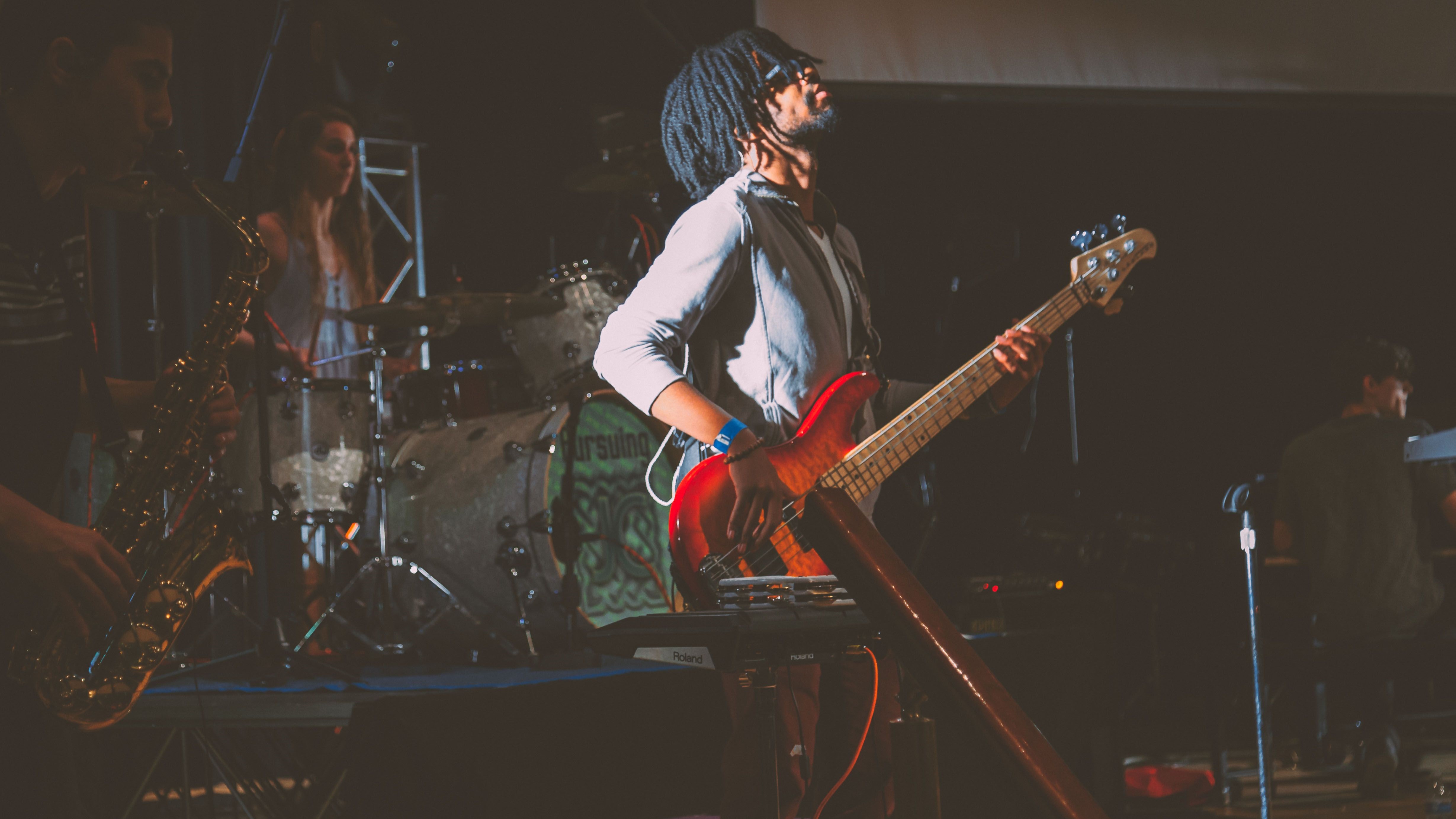
The Monitor Mix Collapse: Why Live Sound Is Losing Its Backbone
As venues shrink their tech budgets and artists demand wireless everything, monitor engineers face an impossible job. Here's why the live sound ecosystem is breaking.
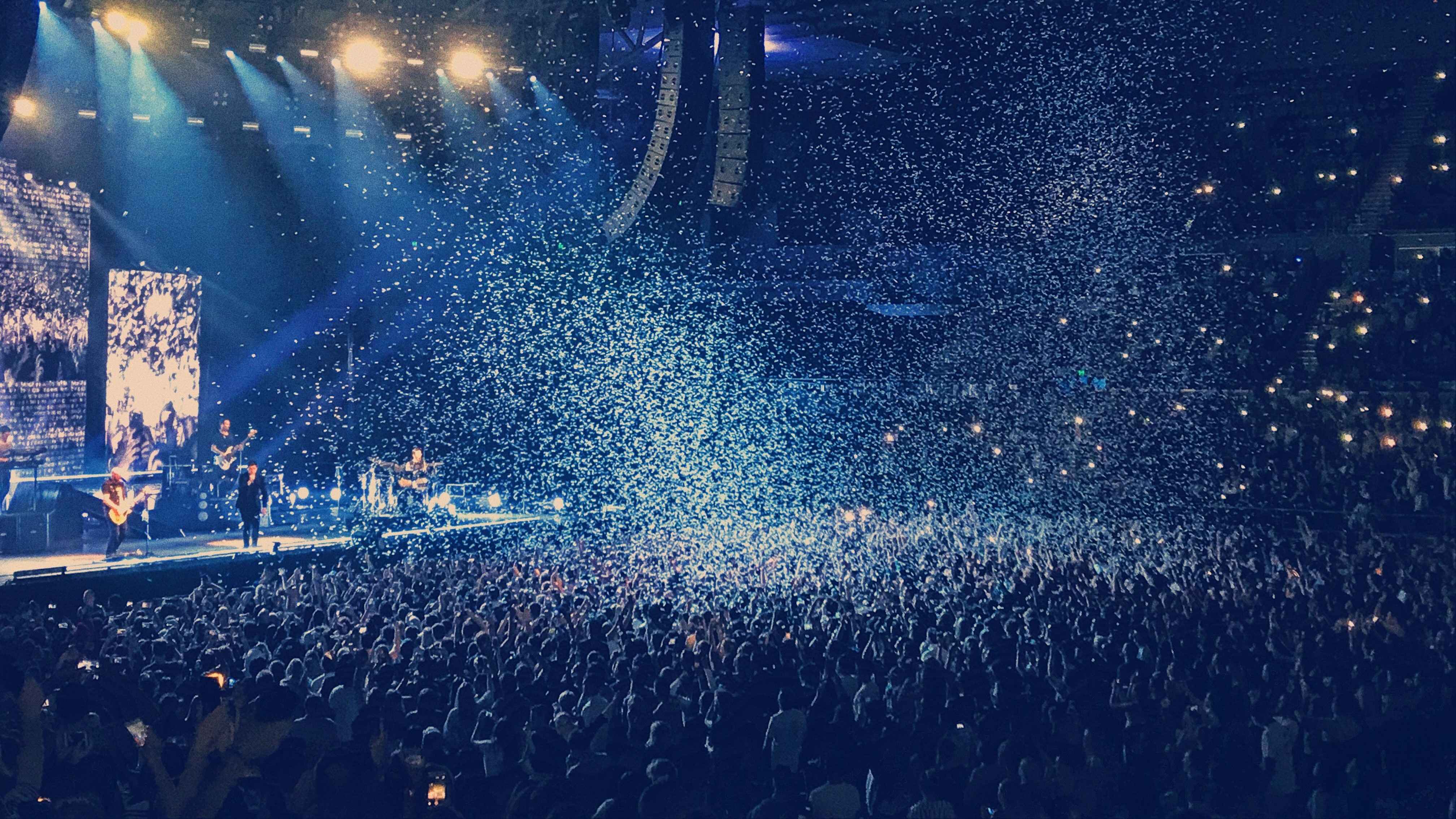
The Cancellation Clause Trap: Why Venues Hold All the Power
Venues can cancel gigs with impunity while performers eat the loss. Here's how working artists can protect themselves in a lopsided contract.

The Understudy Problem: Why Dance's Backup Plan Became a Career Dead End
Being an understudy in dance used to mean one break away from stardom. Now it's a financial trap that keeps performers locked in limbo.

The Sync Rights Bottleneck: Why Content Creators Can't Afford the Music They Need
As video content explodes across platforms, independent creators face an impossible math: licensing music costs more than most budgets allow, pushing them toward AI, royalty-free drones, or legal gray zones.
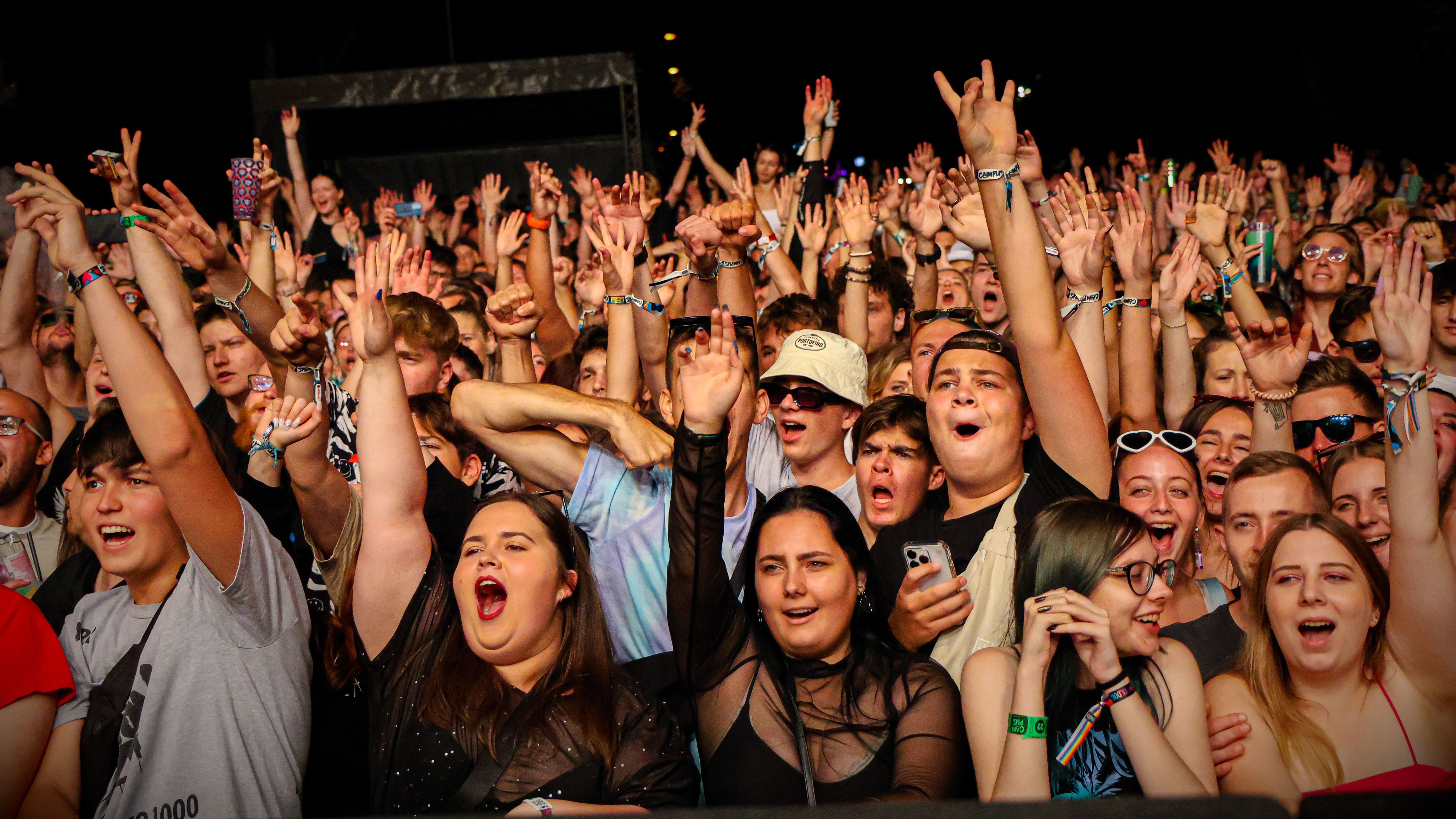
The Opener's Dilemma: Why Opening Acts Are the Invisible Economy
Opening acts generate massive value for venues and headliners but have nearly disappeared from the economics of live music. Here's why the middle slot is collapsing.

The AI Collab Panic: Why Artists Fear the Feature They Can't Control
As AI voice cloning grows cheaper and easier, musicians face a new crisis: their voices—and likenesses—used in collaborations they never approved. It's reshaping what "consent" means in the studio.
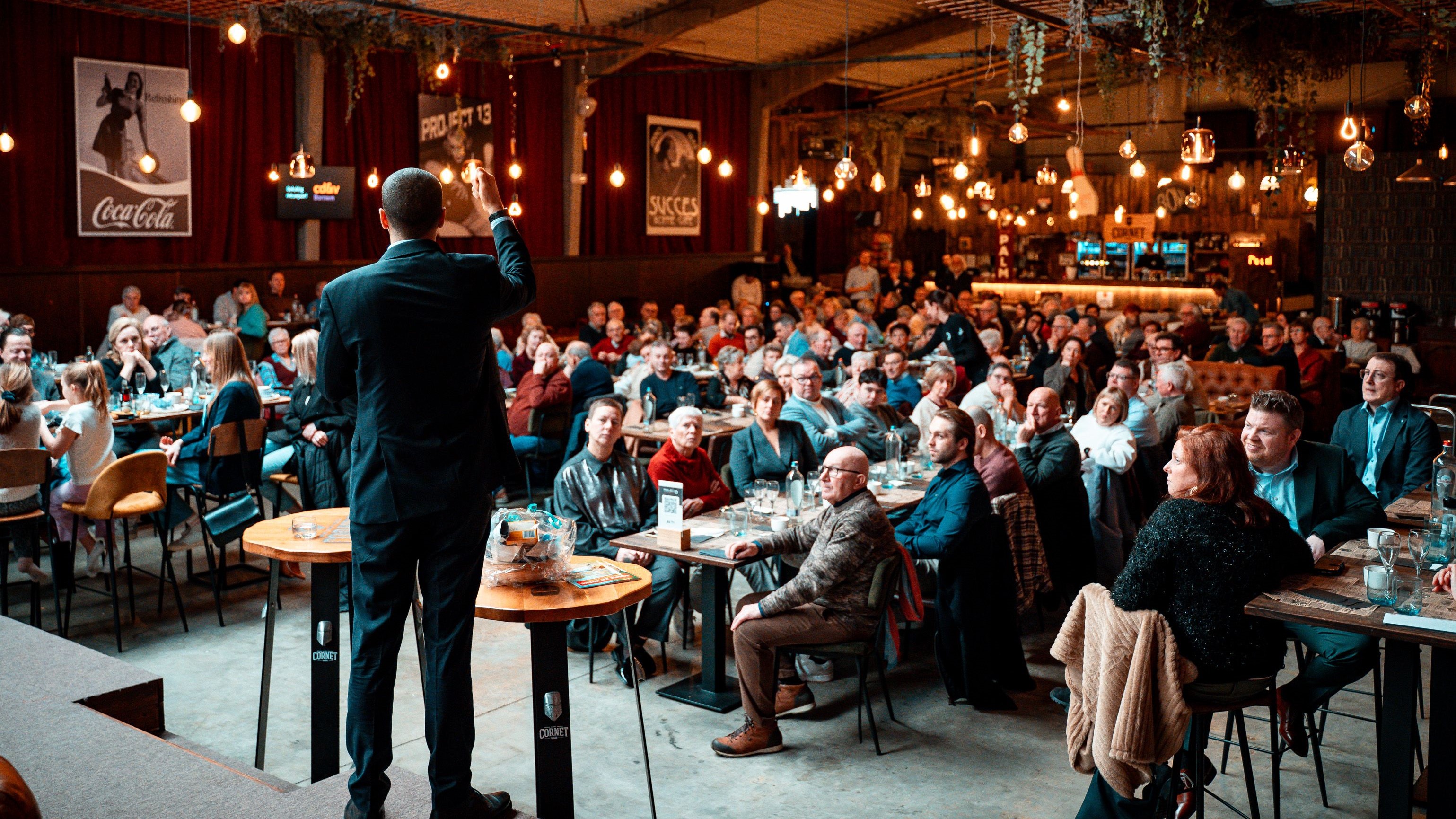
The Heckler Economy: Why Crowd Work Became Comedy's New Arms Race
Stand-up's obsession with handling hecklers has created an unspoken hierarchy of skill—and a dangerous myth about what actually makes comics funny.

The Talent Manager Squeeze: Why the Middle Class of Entertainment Is Vanishing
As mega-agencies consolidate power and DIY tools proliferate, mid-sized talent management is becoming economically unsustainable—and the industry is about to feel the consequences.

The Nostalgia Trap: Why Every Show Feels Like a Tribute Act
From stadium tours to indie releases, artists are playing it safer than ever—and audiences are starting to notice the creative cost.

The Festival Fatigue Economy: Why Events Are Getting Shorter
Multi-day festivals are shrinking, single-day events are booming, and the live industry is quietly restructuring around audience burnout and rising costs.
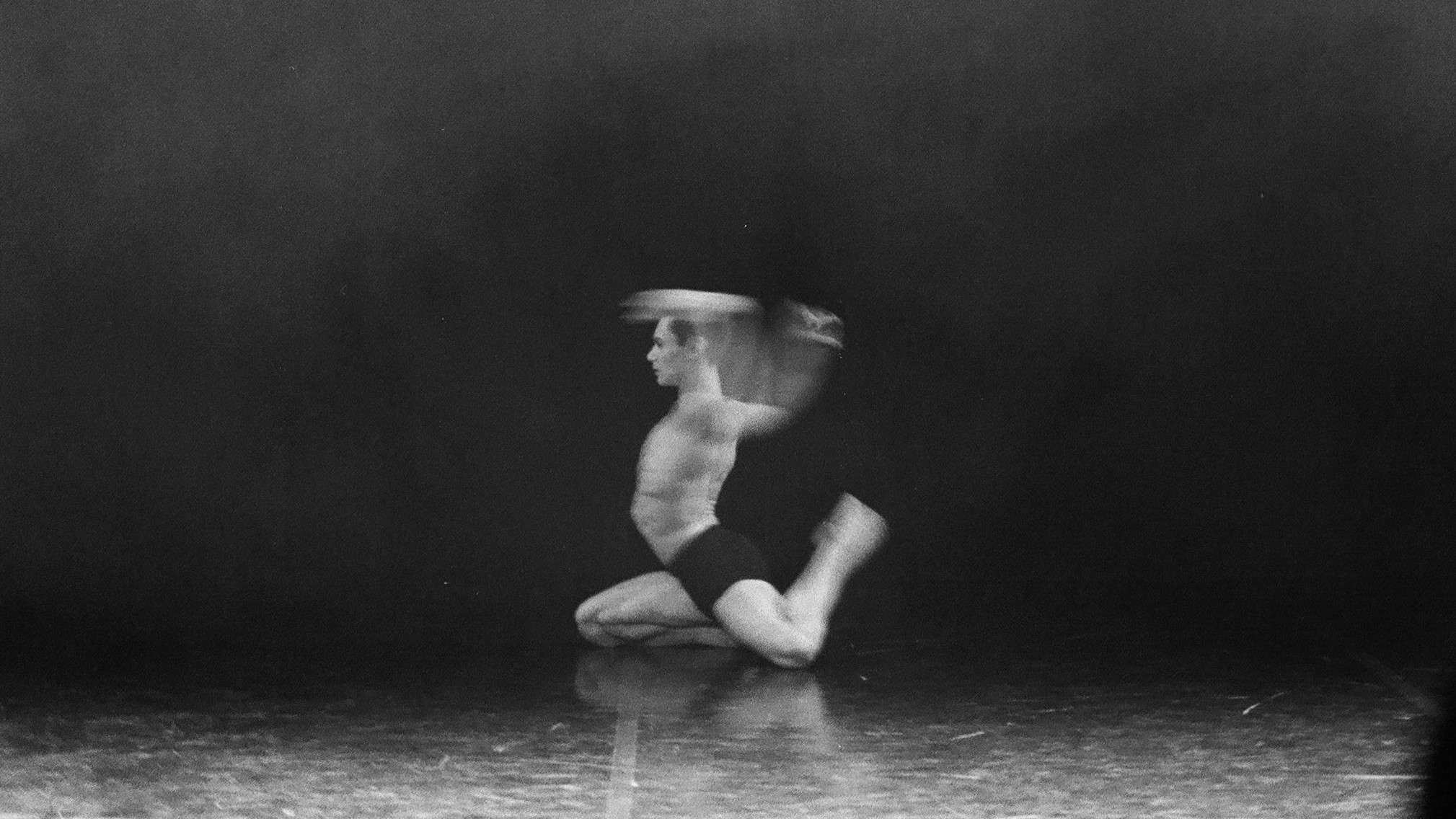
The Reel Trap: Why Your Best Dancing Doesn't Make It Online
Dancers are building reels for algorithms, not for casting directors. Here's why that mismatch is costing you gigs.

The Feature Creep Problem: When Collaboration Becomes Dilution
Why adding more artists to a track often weakens it, and how streaming economics keep pushing musicians toward overcrowded songs.
The Playlist Fatigue Trap: Why Streaming Hits Don't Build Careers
Landing a playlist placement feels like a win—until you realize it barely moves the needle on revenue or fan loyalty. Why algorithmic placement has become a dead-end for most artists.
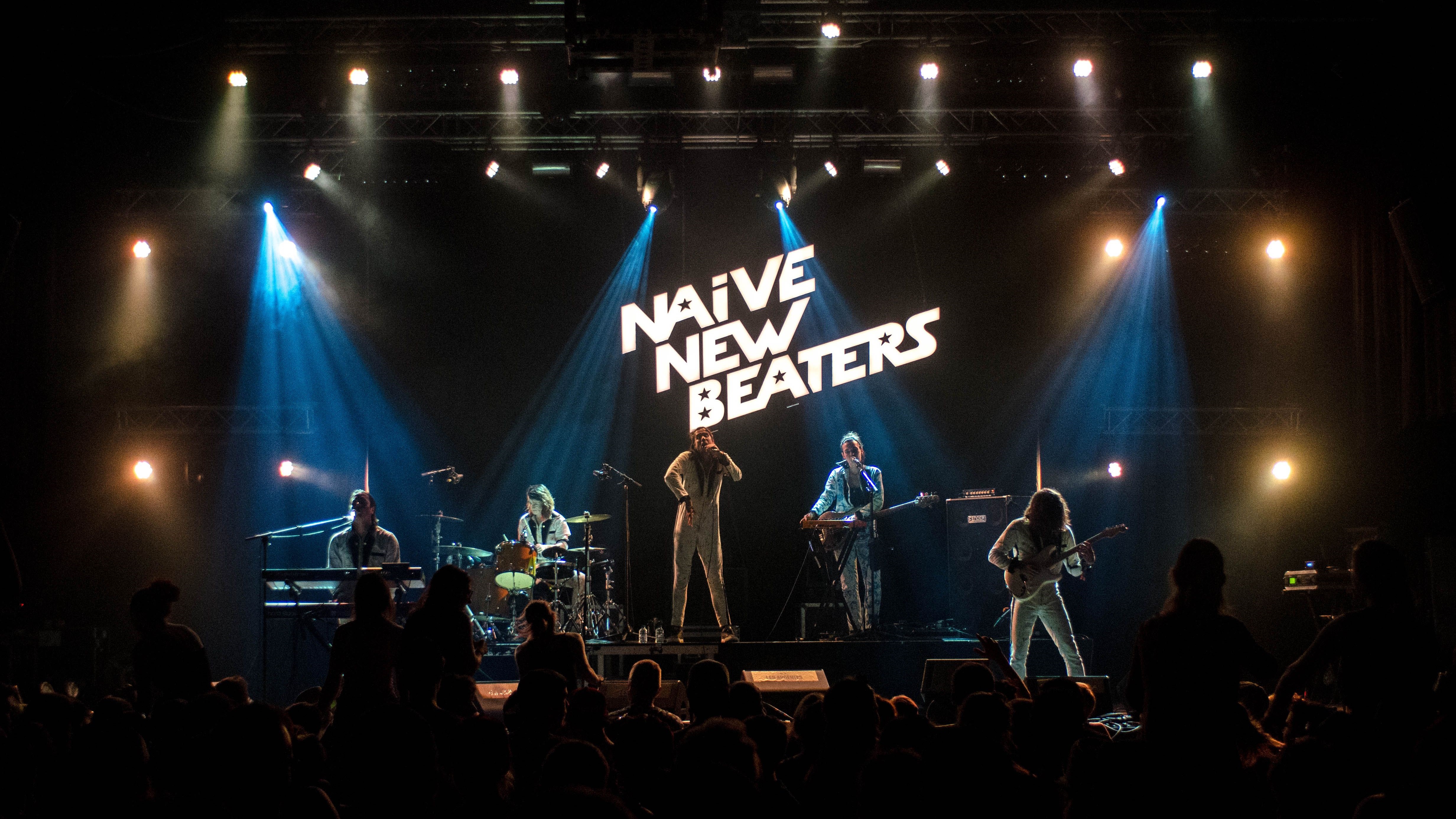
The Venue Ownership Trap: Why Touring Acts Can't Escape the Real Estate Game
As independent venues disappear and corporate real estate dominates live music, touring artists face a rigged system where venue economics—not ticket sales—dictate which shows happen.
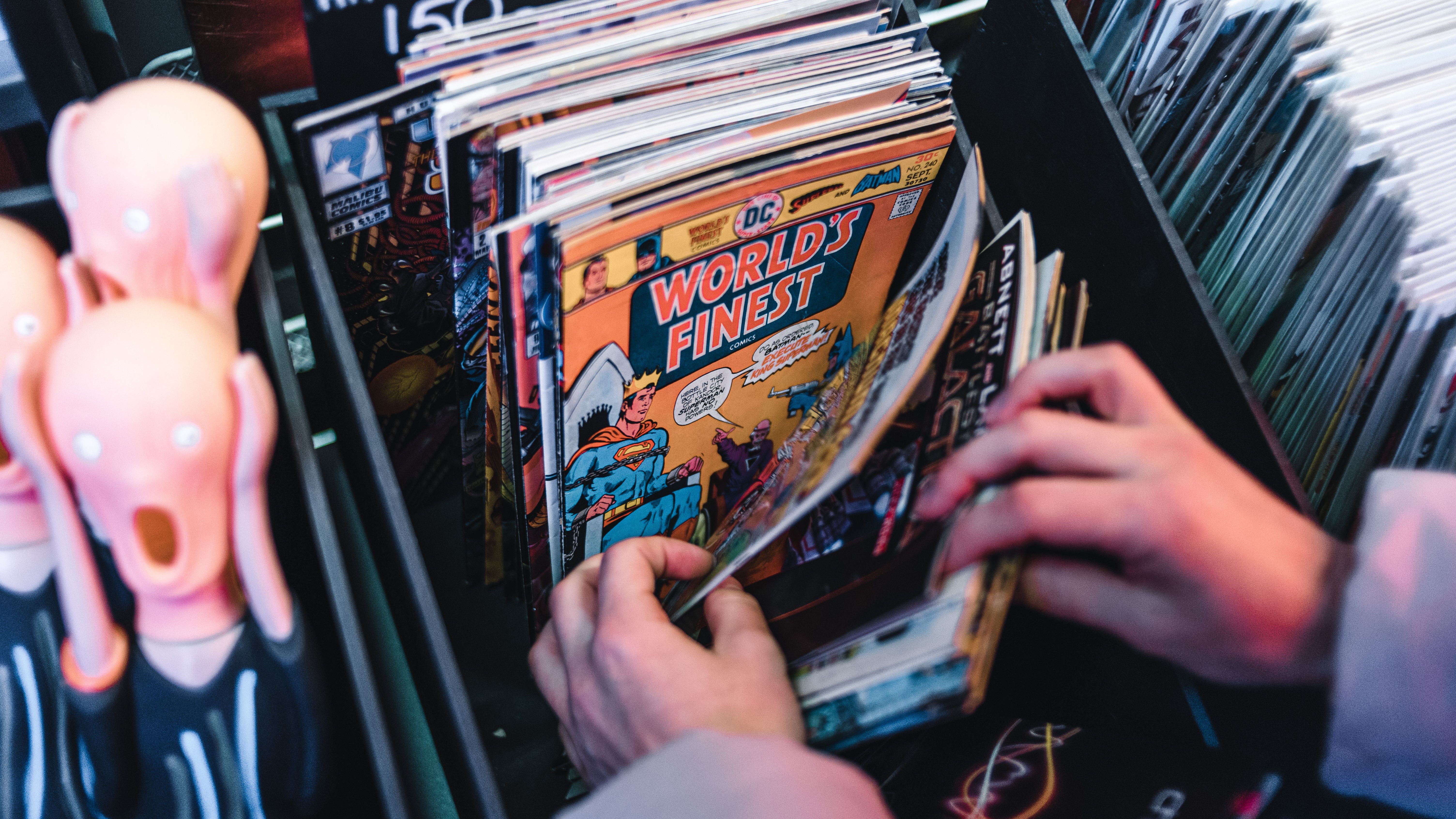
The Tight Five Trap: Why Your Best Material Never Leaves the Stage
Comics hoard their strongest five minutes like trade secrets. Here's why that's killing their careers—and how the best comics actually build.

The Reference Monitor Trap: Why Your Mix Translates Nowhere
Your studio monitors sound pristine—but your mix dies on every other system. The problem isn't your ears. It's how you're listening.

The Sync Payoff Myth: Why Licensing Your Music Rarely Works
Every working musician dreams of that Netflix sync check. Here's why chasing placements wastes time most artists don't have.
The Rider You Actually Need (And the One You Don't)
Most working entertainers have no idea what should actually be in their rider—or why venues keep ghosting them over it. Here's what matters.

The Punch-In Problem: Why Your Best Ideas Vanish in DAW Hell
Recording software has made capturing ideas easier—and capturing the wrong idea infinitely worse. How engineers are fighting back against digital capture creep.

The Isolation Room Myth: Why Your Best Takes Happen in the Worst Places
Studios are built on silence. But the best recordings often come from noise, accident, and constraint. Here's why professionals are rethinking the perfect room.
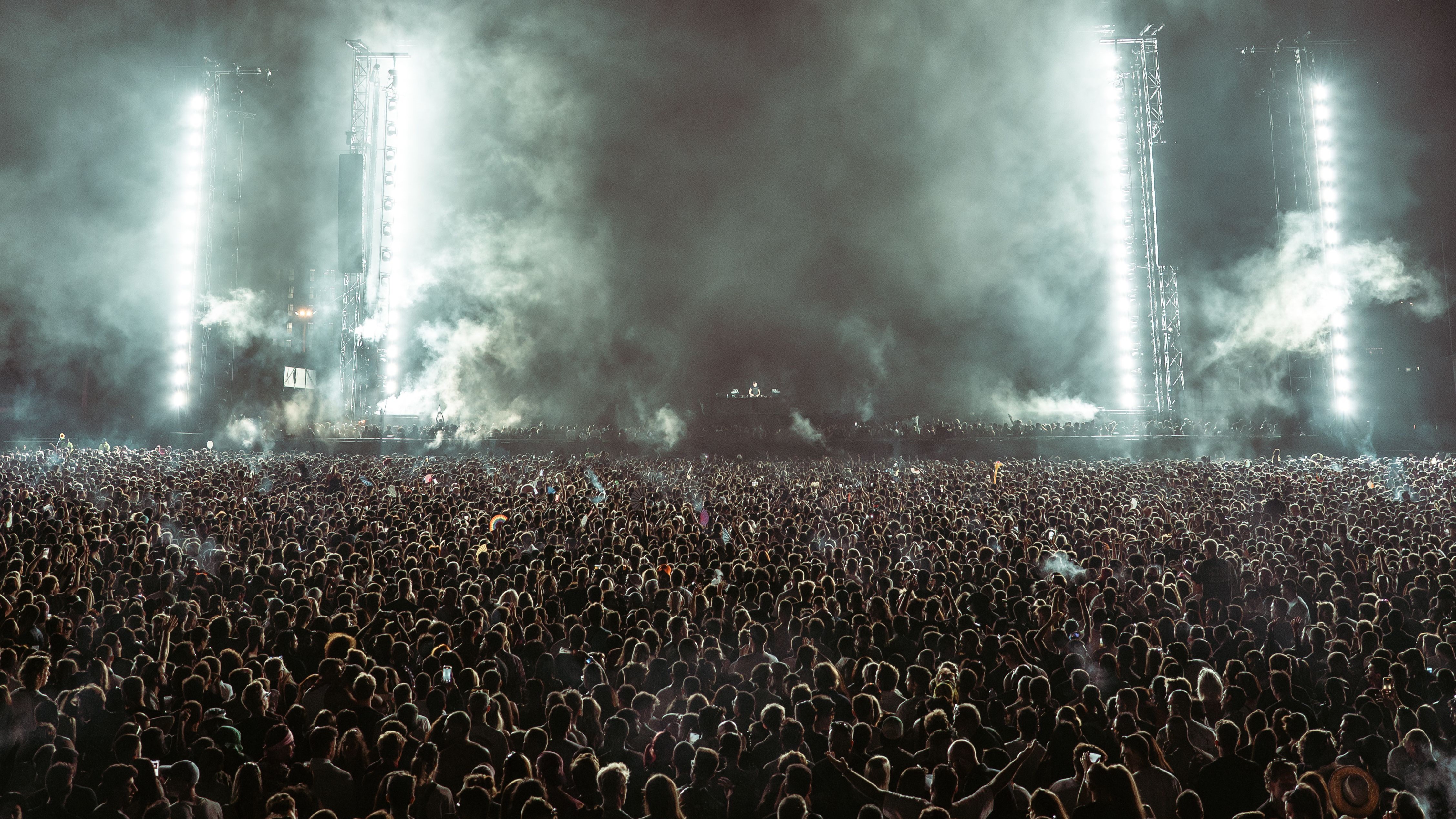
The Festival Bubble: Why Live Events Are Collapsing Under Their Own Scale
From Coachella to regional circuits, festivals face a reckoning as production costs explode, audiences fragment, and the economics of gathering 50,000 people in a desert stops making sense.
The Unpaid Rehearsal Trap: Why You're Working for Free
Venues, promoters, and bands expect endless rehearsals before paid gigs. Here's how working entertainers should price their time—and stop leaving money on the table.
The Comeback Album Problem: Why Returns Never Match the Hype
Artists are taking longer breaks between albums, then returning to massive anticipation—but the market and listener attention spans have fundamentally changed. The comeback album is broken.

The Body Double Problem: When Dancers Vanish Into Viral Moments
As TikTok, Instagram, and streaming platforms demand perfect takes and endless content, professional dancers are increasingly being hired—and erased—as invisible labor behind viral performances.
The Intimacy Paradox: Why Festivals Are Getting Smaller
As mega-festivals struggle with logistics and costs, promoters are discovering that smaller, more curated events command higher loyalty—and better margins.

The Songwriter's Revenge: Why Artists Are Keeping the Masters
A new generation of musicians is rejecting the traditional record deal. They're keeping ownership, building their own infrastructure, and it's changing what a "successful" music career even means.
The Heckler Industrial Complex
Comedy's most disruptive force isn't bad material—it's the rise of the professional audience saboteur, and it's reshaping how comics work.

The Middleman Problem: Why Entertainment Talent Is Disappearing Into Algorithms
From casting to booking to discovery, AI and automation are replacing human judgment—and talent is paying the price. Here's what's actually breaking.

The Stem Wars: Why Everyone's Remixing Your Mix
Stems have become the default deliverable in modern production, but engineers and artists are drowning in requests to re-separate, re-EQ, and re-deliver their work.

The Headphone Problem: Why Studio Mixes Don't Translate
Producers and engineers are mixing on increasingly isolated equipment. Here's why that's breaking the chain between studio and real world.
The A&R Ghost: Why Labels Are Outsourcing Their Most Important Job
Major labels are quietly farming out artist development to freelancers and consultants. The result: fewer risks, less mentorship, and a pipeline increasingly dependent on viral luck.
The Sync Licensing Gold Rush Nobody's Ready For
As streaming stagnates, the real money in music has moved to sync deals. But most artists don't have the infrastructure to capitalize on it.
The Venue Squeeze: How Real Estate is Killing Live Music
From NYC to LA, venues are vanishing as rents spike and developers see more profit in condos than concerts. The touring ecosystem is breaking.

The Collaboration Curse: Why Features Destroy Solo Artists
Guest verses and producer collaborations promised creative freedom. Instead, they've become a treadmill that erases an artist's identity and stalls their solo momentum.
The Reference Track Trap: When Producers Chase the Wrong Sound
Reference tracks are essential for modern production—until they become a crutch. Why chasing sonic inspiration often means losing your own voice.

The Festival Bubble: When Lineup Announcements Matter More Than the Show
Festivals have become marketing machines where the reveal matters more than the experience. What happens when hype peaks before the gates open?

The Choreography Credit Crisis: Why Dance Makers Aren't Getting Paid
Choreographers are creating viral moments and building careers for others—but getting erased from credits and compensation. Here's why the industry's attribution problem is worse than you think.
The Playlist Monopoly: How Streaming Gatekeepers Broke Artist Discovery
Spotify, Apple Music, and YouTube control what billions hear—and artists are learning the hard way that algorithmic placement now matters more than talent or buzz.

The Audition Mill: Why Dance Callbacks Never Lead Anywhere
Dancers spend hundreds of hours in waiting rooms for callbacks that rarely convert to actual work. Here's why the audition system is broken—and what's starting to change.

The Hype Machine Problem: When Virality Kills Your Comedy Career
A viral clip can seem like a golden ticket. But for many comedians, one breakout moment online has become a one-way ticket out of their actual comedy career.
The Side Hustle Ceiling: When Your Day Job Kills Your Music Career
Most working musicians need day jobs to survive. But the wrong job can sabotage your actual career. Here's how to pick one that won't.

Building a Dance Reel That Books You Real Gigs
Your dance reel is your audition waiting to happen. Here's how to create one that actually lands you bookings.
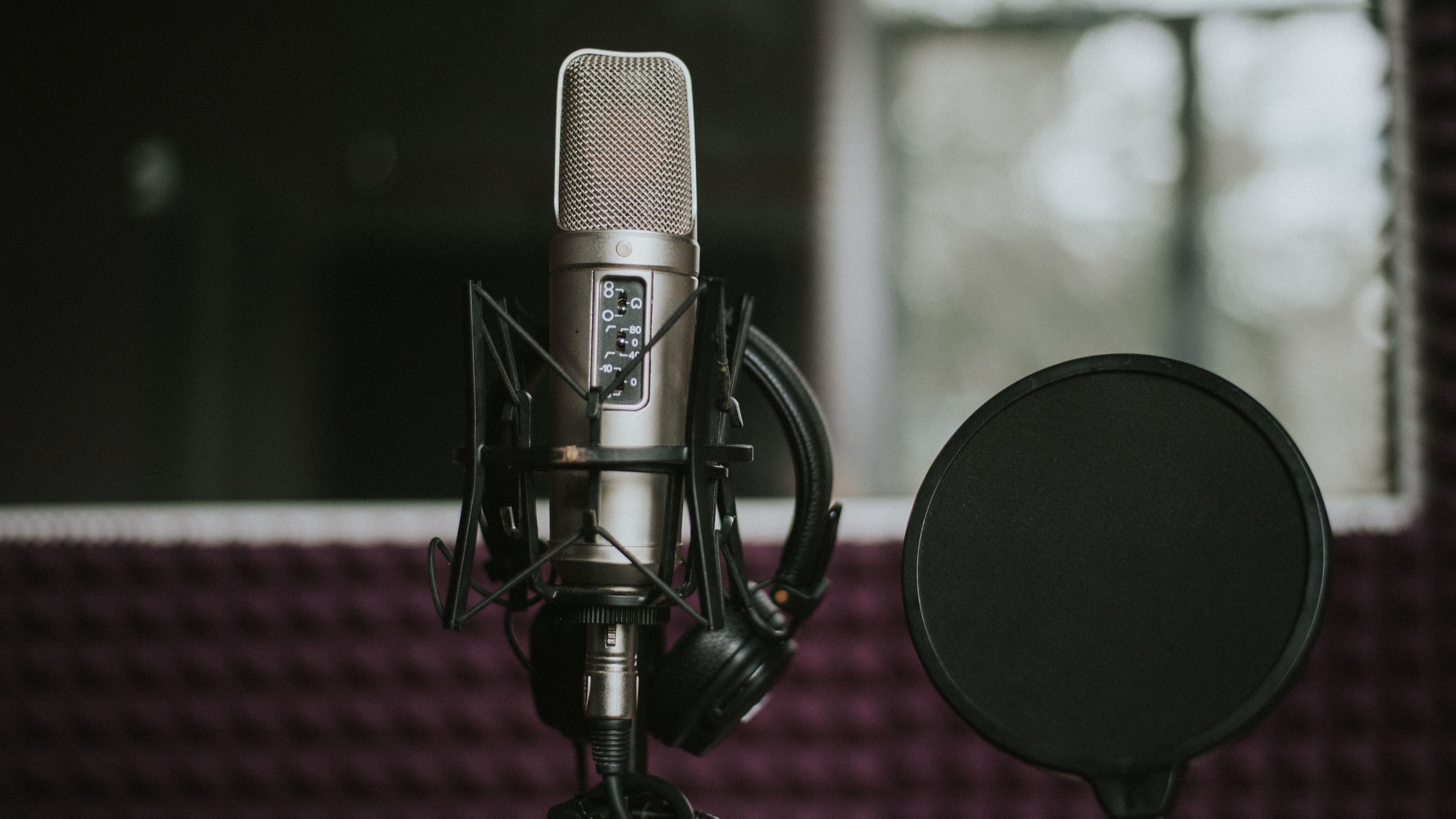
The Vocal Booth Paradox: When Isolation Hurts Your Performance
Professional vocal booths promise dead acoustics and distraction-free recording—but sometimes that sterile environment kills the take. Here's what top engineers and producers actually do.

The Visibility Tax: Why Your Social Clips Aren't Translating to Gigs
You're posting videos, getting views, but not getting booked. Here's why the algorithm doesn't equal a booking agent—and how to bridge the gap.
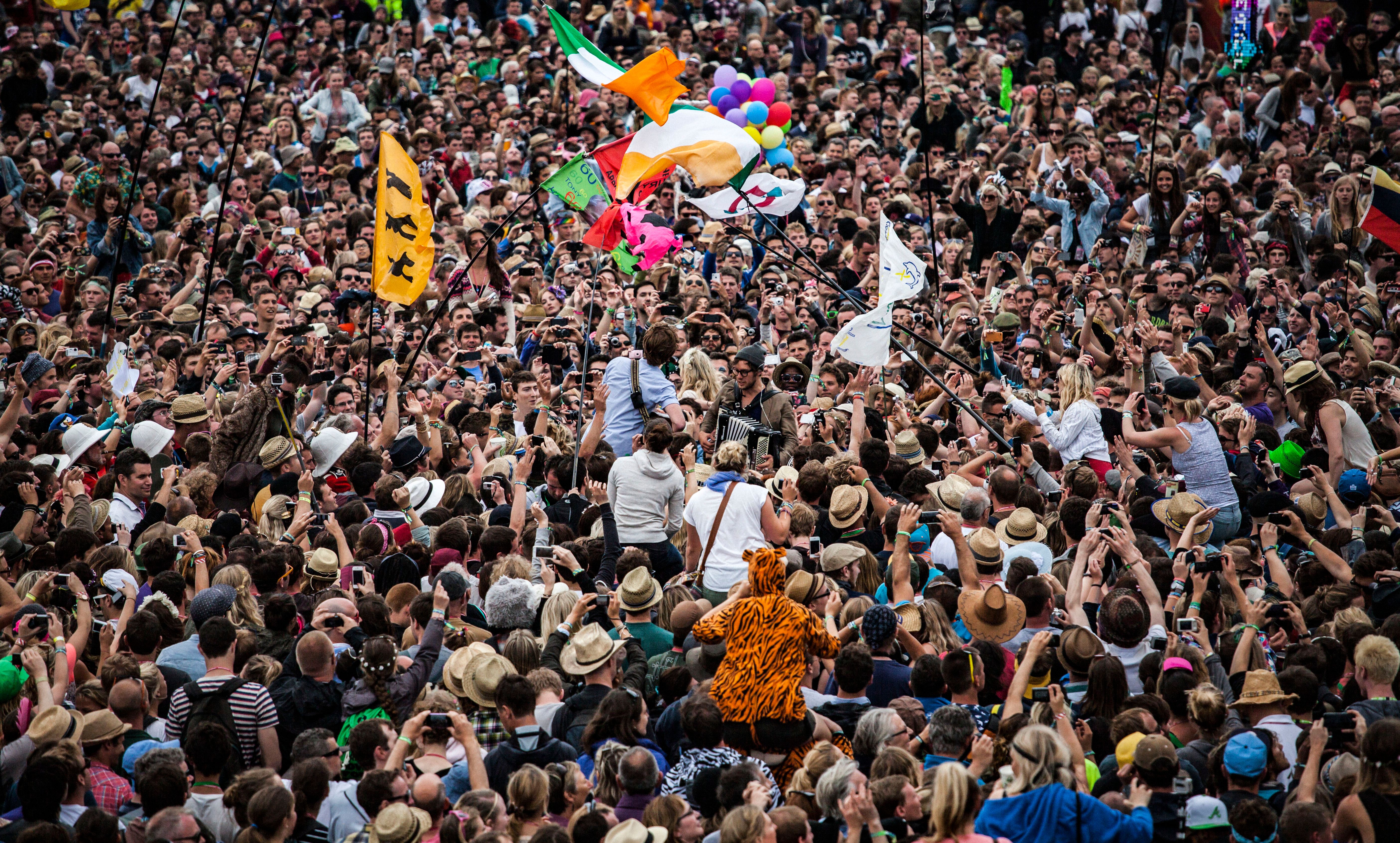
The Venue Squeeze: Why Live Venues Are Becoming Landlords' Game
Rising real estate costs, ticketing monopolies, and shifting audience habits are reshaping the economics of live performance—and most venues aren't winning.

The Feature Trap: Why Guest Spots Aren't Shortcuts Anymore
Landing a feature with a bigger artist used to launch careers. Now it's often a dead end. Here's why the math has changed.
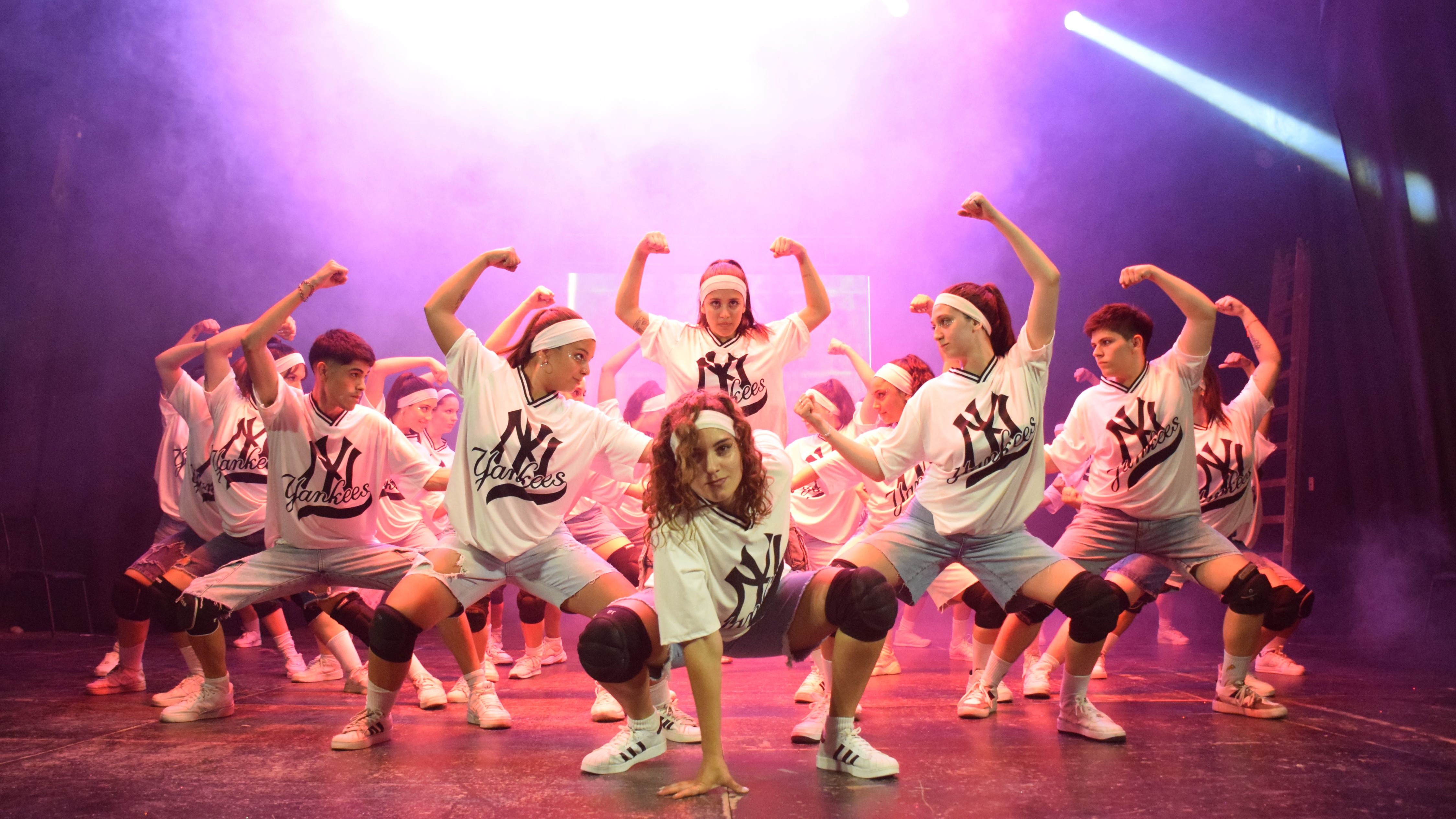
The Understudy Problem: When Dance Doesn't Pay Until You're Famous
Dancers are expected to train for years as backups and ensemble members with minimal pay. Why does the industry treat seasoning as free labor?
The Open-Mic Burnout Crisis: Why Comics Are Quitting Before They Start
New comedians face an exhausting grind of unpaid shows, dead crowds, and no clear path forward. The traditional pipeline is breaking—and the industry isn't replacing it.
Suggested Entertainers
No suggestions right now.