The Festival Fatigue Reckoning: When Live Events Lost the Plot
The Glut Problem Nobody Wants to Admit
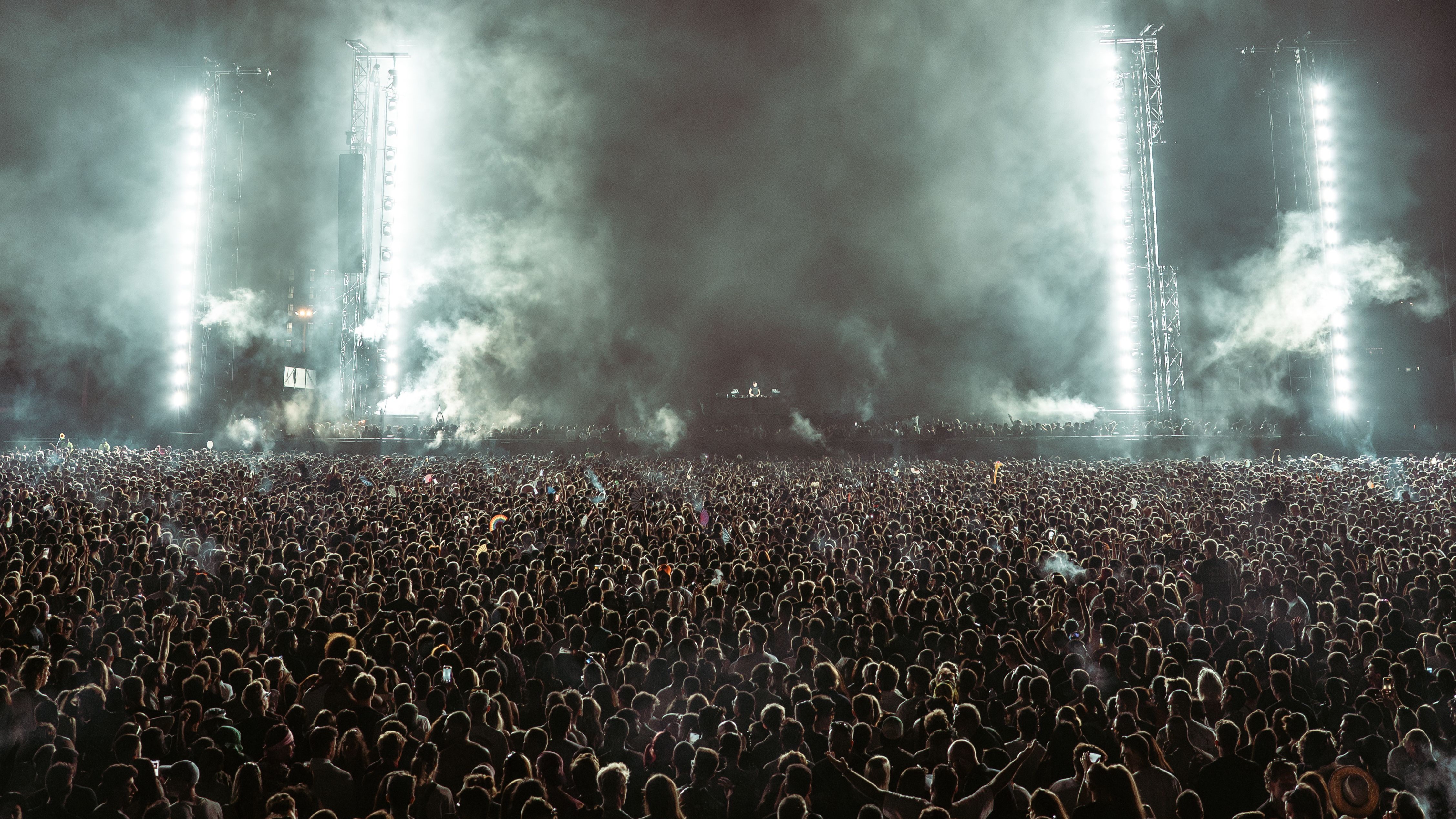
There are more music festival in North America than there have ever been. There are also more films competing for festival slots, more comedy bills being programmed, more touring acts crisscrossing cities that now have three major venues where one used to suffice. The infrastructure of live entertainment has expanded at a pace that outstripped actual demand—and the industry is only now starting to reckon with what happens when supply crushes scarcity.
The numbers tell part of the story. Ticket sales for major festivals haven't collapsed, but growth has flatlined. Smaller and mid-tier festivals that could once count on steady sell-throughs are now offering heavy discounts weeks before gates open. Tours that would have been sellouts five years ago are now playing half-full rooms in secondary markets. The problem isn't that people don't want live entertainment anymore. The problem is that there are too many options, too many look-alikes, and too little differentiation between them.
When Every Festival Looks Like the Last One
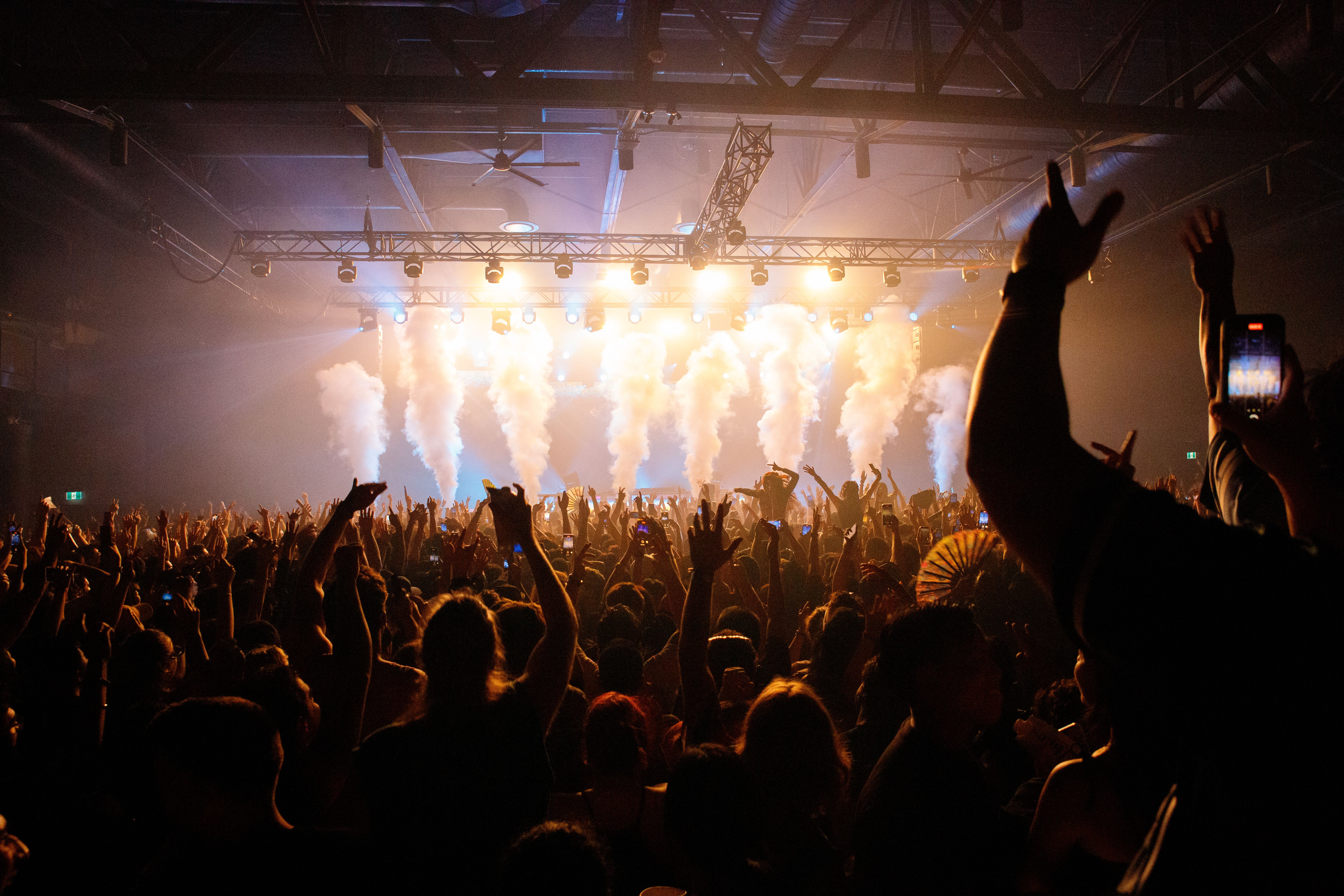
Walk through the lineups of ten different multi-genre festivals across the continent and you'll spot the same mid-tier indie acts, the same electronic artists, the same rising pop names. Booking has become algorithmic in its homogeneity. Agents know which festivals book which tier of talent. Festivals know which acts will "work" on a given stage. The result is that attending Festival A versus Festival B often feels like choosing between two Starbucks locations—the menu changes slightly, but the experience is fundamentally identical.
This is partly economic. Booking a major headliner costs the same whether the festival is in Denver or Dallas. A mid-tier act might command $40,000 to $80,000. Smaller acts fill the undercard. These economics don't reward differentiation; they reward safety. A festival curator who books an interesting but risky lineup is betting their job on discovery in an era when discovery is supposed to happen on Spotify , not at a live event. So instead, lineups converge. Audiences notice. They also get tired.
The same logic has infected touring. A stadium tour hits the same cities every cycle, often at the same venue. A band's "tour" is now indistinguishable from a previous cycle except for the new album. This used to feel like a guarantee; now it feels like repetition.
The Economics of Scale That Doesn't Scale
Festivals and major tours operate on a model that requires constant growth to stay solvent. Once you've built the infrastructure—the permit relationships, the vendor networks, the audience expectations around price—you need more tickets sold and higher ticket prices just to maintain. Festivals that were viable at 30,000 attendees start losing money at 25,000. Tours that broke even at 85% capacity become unprofitable at 75%.
This creates a perverse incentive: bloat the lineup, extend the festival, add a second weekend, raise ticket prices further. Coachella pioneered the model of two-weekend festivals partly because the economics demanded it. The profit per ticket might be lower, but the total revenue goes up. Audiences absorb the cost increases—Coachella tickets have more than tripled over two decades—until eventually they don't.
The touring model has been particularly cruel. A major artist tour now requires not just the headliner but often several supporting acts, production designers, lighting rigs that cost six figures, and logistics teams that coordinate with dozens of venues. A single tour stop that underperforms can tank the margins for an entire leg. The response, predictably, has been to play safer, book more familiar support acts, and rely on existing fanbases rather than court discovery.
What Audiences Actually Want Now
The festivals and tours that are actually thriving tend to break the mold in specific ways. Glastonbury's survival owes partly to its artistic risk-taking and partly to the fact that it only happens every other year—scarcity still matters. Niche festivals that double down on a specific community or aesthetic (think Afropunk or Desert X) outperform generic "music and art" events. Tours by established acts that actually experiment with venue type, setlist, and audience interaction see stronger word-of-mouth than those that don't.
What's emerging is a bifurcation. On one end, massive, secure franchises (Coachella, Lollapalooza, major stadium tours) will continue to operate regardless of whether audiences are enthusiastic or just habitual. On the other, smaller, more focused live experiences are actually growing in reputation and audience loyalty. The middle—the regional festival circuit, the mid-level tour ecosystem—is where the real pressure is.
The Reset Nobody's Planning For
Sooner or later, correction will come. Festivals will consolidate. Tours will downsize. Ticket prices will either stabilize or demand will actually recalibrate around them. What's unclear is whether the industry will see this as an opportunity to rethink what live events are actually for, or whether it'll just be a painful contraction followed by rebuilding the same model that got us here.
The festivals and tours that survive and thrive will likely be the ones that remember something the 2010s boom made easy to forget: live events aren't about scale or predictability. They're about the moment you can't replicate anywhere else. When everything feels like a franchise, that moment becomes rarer. Audiences can feel it. That's the real problem the industry is facing.