 Giglive
Entertainment Buzz
Artist news, culture, and notable happenings across music and entertainment.
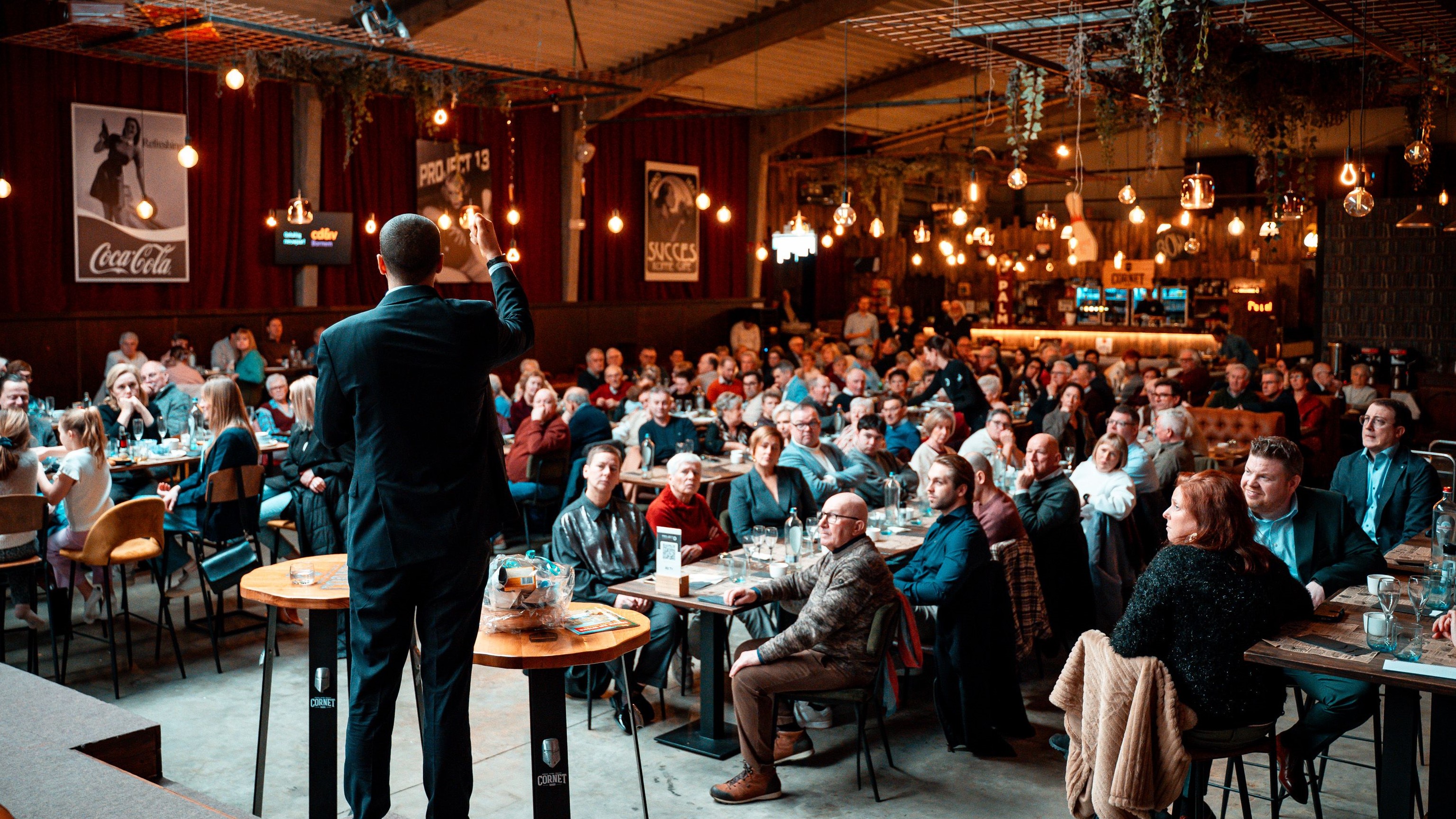
The Open Mic Paradox: Why Comedy Clubs Can't Fill the Room
Comedy clubs are packed with performers but empty of audiences. The death of the casual heckler has left open mics without the oxygen they need.

The Rehearsal Studio Extinction: Why Sound Stages Are Vanishing
As touring bands, dancers, and producers lose access to affordable rehearsal space, a critical piece of entertainment infrastructure is disappearing—and nobody's talking about it.
The AI Open Mic Problem: Why Studios Are Flooded With Machine-Made Content
As AI music and voice tools democratize creation, platforms face an inflection point: endless content supply with nearly zero human curation or filtration.

The Rehearsal Studio Extinction: Why Practice Space Is Disappearing
As real estate costs soar and landlords convert rehearsal spaces into luxury lofts, musicians face a crisis: nowhere to develop their craft before the gig.

The Setlist Hostage Crisis: Why Artists Lost Control of What They Play
Streaming algorithms, label demands, and fan expectation have conspired to trap performers in rigid setlists. The freedom to improvise is disappearing.
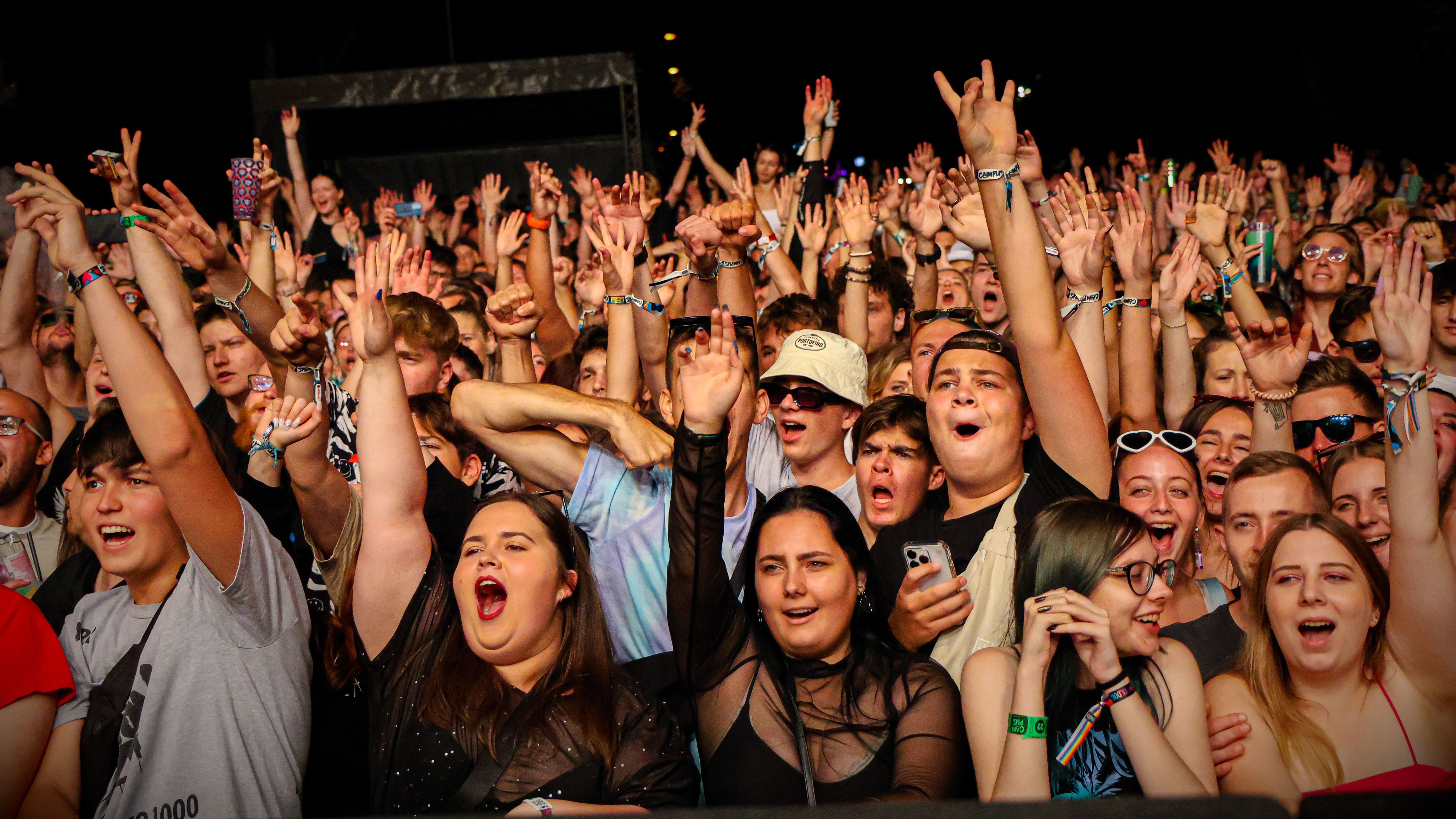
The Opener's Dilemma: Why Opening Acts Are the Invisible Economy
Opening acts generate massive value for venues and headliners but have nearly disappeared from the economics of live music. Here's why the middle slot is collapsing.
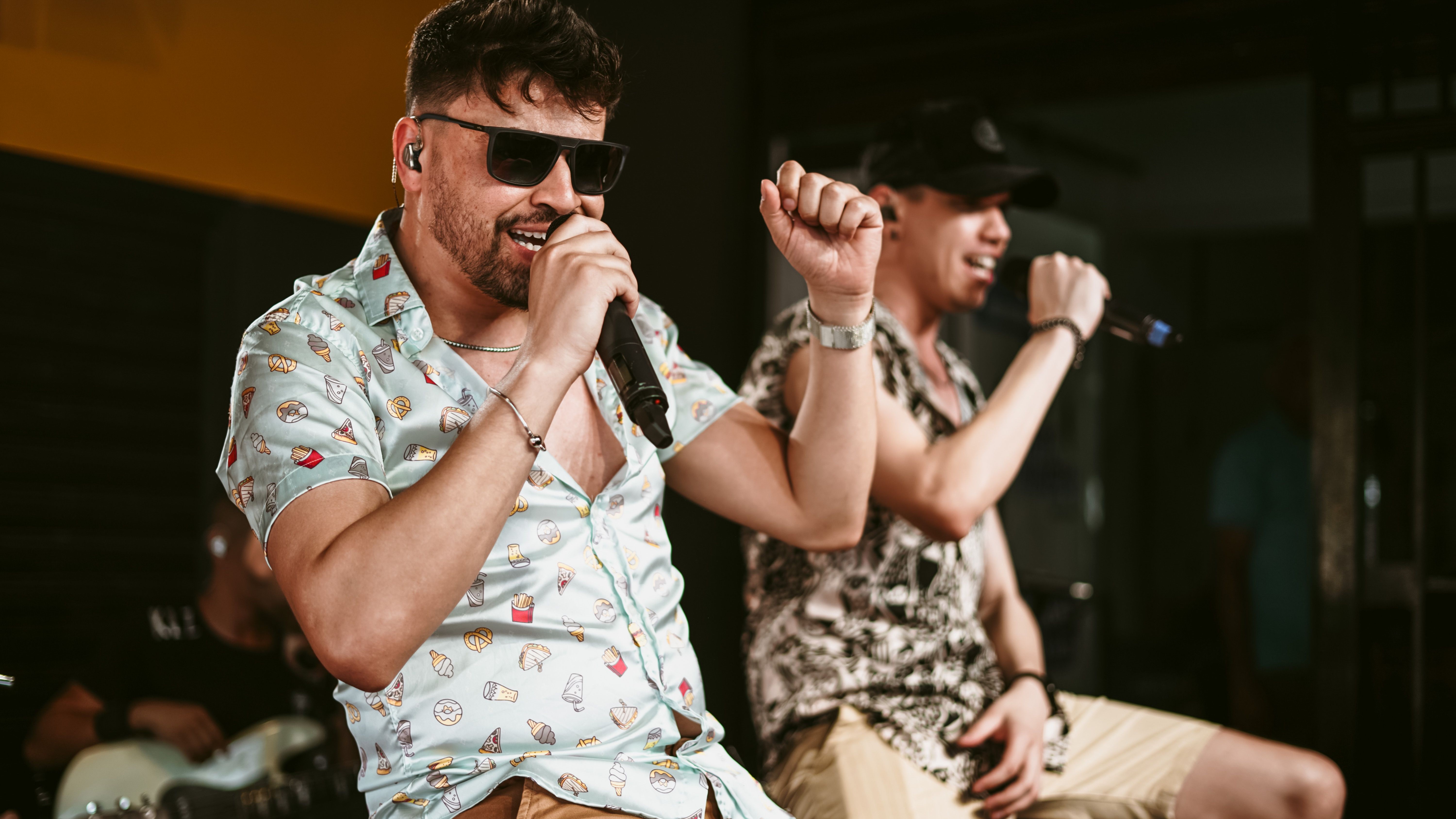
The AI Collab Panic: Why Artists Fear the Feature They Can't Control
As AI voice cloning grows cheaper and easier, musicians face a new crisis: their voices—and likenesses—used in collaborations they never approved. It's reshaping what "consent" means in the studio.

The Nostalgia Trap: Why Every Show Feels Like a Tribute Act
From stadium tours to indie releases, artists are playing it safer than ever—and audiences are starting to notice the creative cost.

The Feature Creep Problem: When Collaboration Becomes Dilution
Why adding more artists to a track often weakens it, and how streaming economics keep pushing musicians toward overcrowded songs.
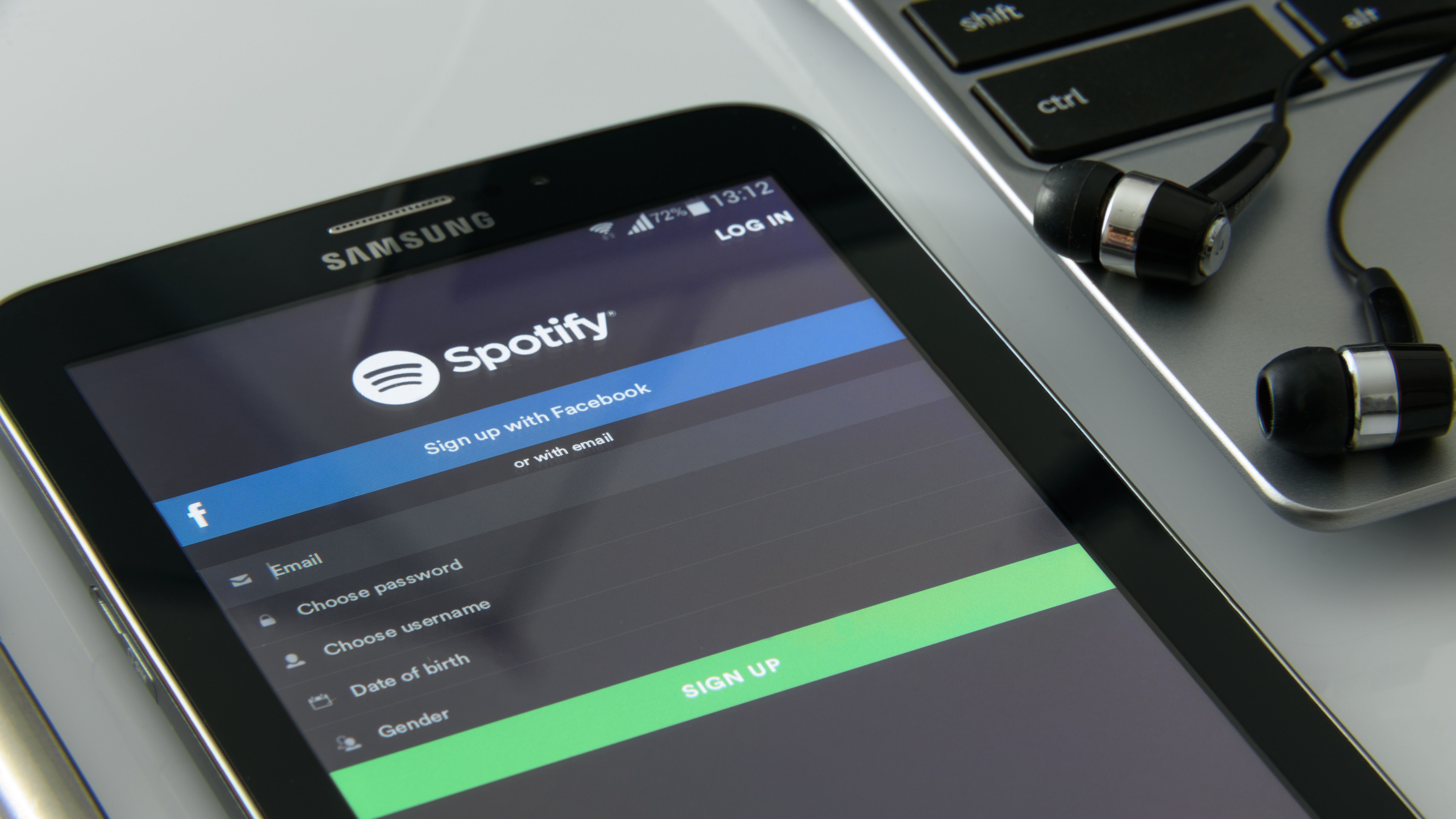
The Playlist Fatigue Trap: Why Streaming Hits Don't Build Careers
Landing a playlist placement feels like a win—until you realize it barely moves the needle on revenue or fan loyalty. Why algorithmic placement has become a dead-end for most artists.
The Comeback Album Problem: Why Returns Never Match the Hype
Artists are taking longer breaks between albums, then returning to massive anticipation—but the market and listener attention spans have fundamentally changed. The comeback album is broken.

The Songwriter's Revenge: Why Artists Are Keeping the Masters
A new generation of musicians is rejecting the traditional record deal. They're keeping ownership, building their own infrastructure, and it's changing what a "successful" music career even means.

The A&R Ghost: Why Labels Are Outsourcing Their Most Important Job
Major labels are quietly farming out artist development to freelancers and consultants. The result: fewer risks, less mentorship, and a pipeline increasingly dependent on viral luck.

The Collaboration Curse: Why Features Destroy Solo Artists
Guest verses and producer collaborations promised creative freedom. Instead, they've become a treadmill that erases an artist's identity and stalls their solo momentum.
The Feature Trap: Why Guest Spots Aren't Shortcuts Anymore
Landing a feature with a bigger artist used to launch careers. Now it's often a dead end. Here's why the math has changed.
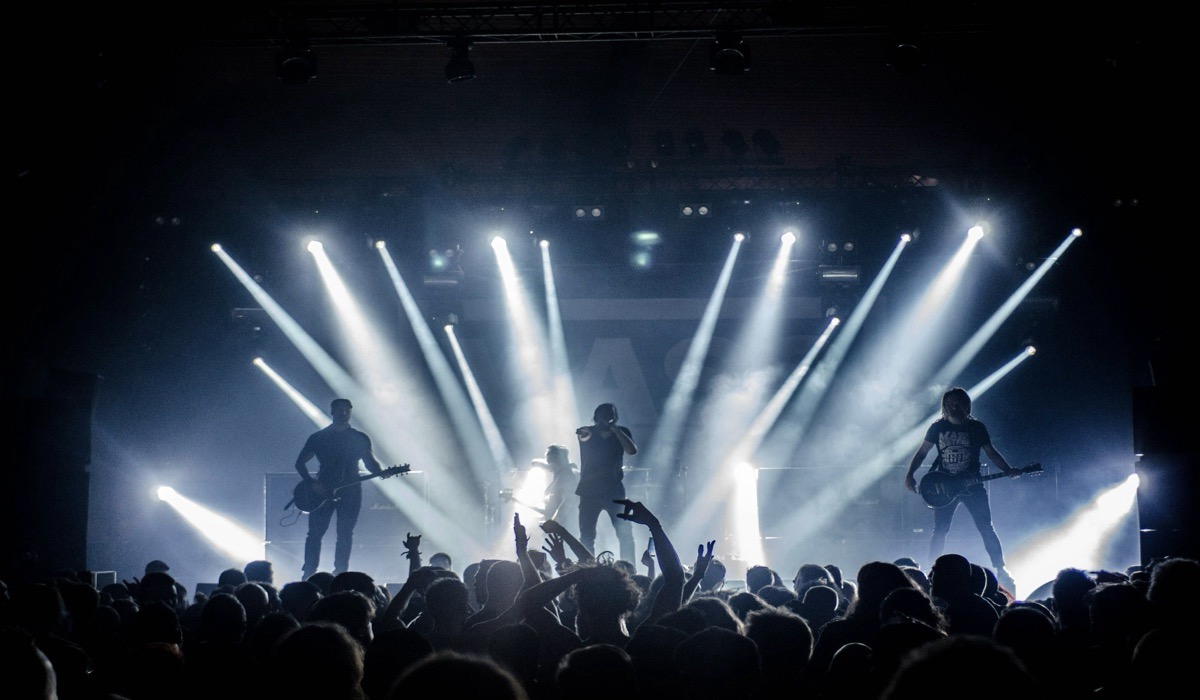
The Touring Economy: How Live Shows Became the New Album
Streaming changed everything. Now, touring isn't the afterthought—it's the main event. Here's how entertainment professionals are adapting to a music industry built on the road.
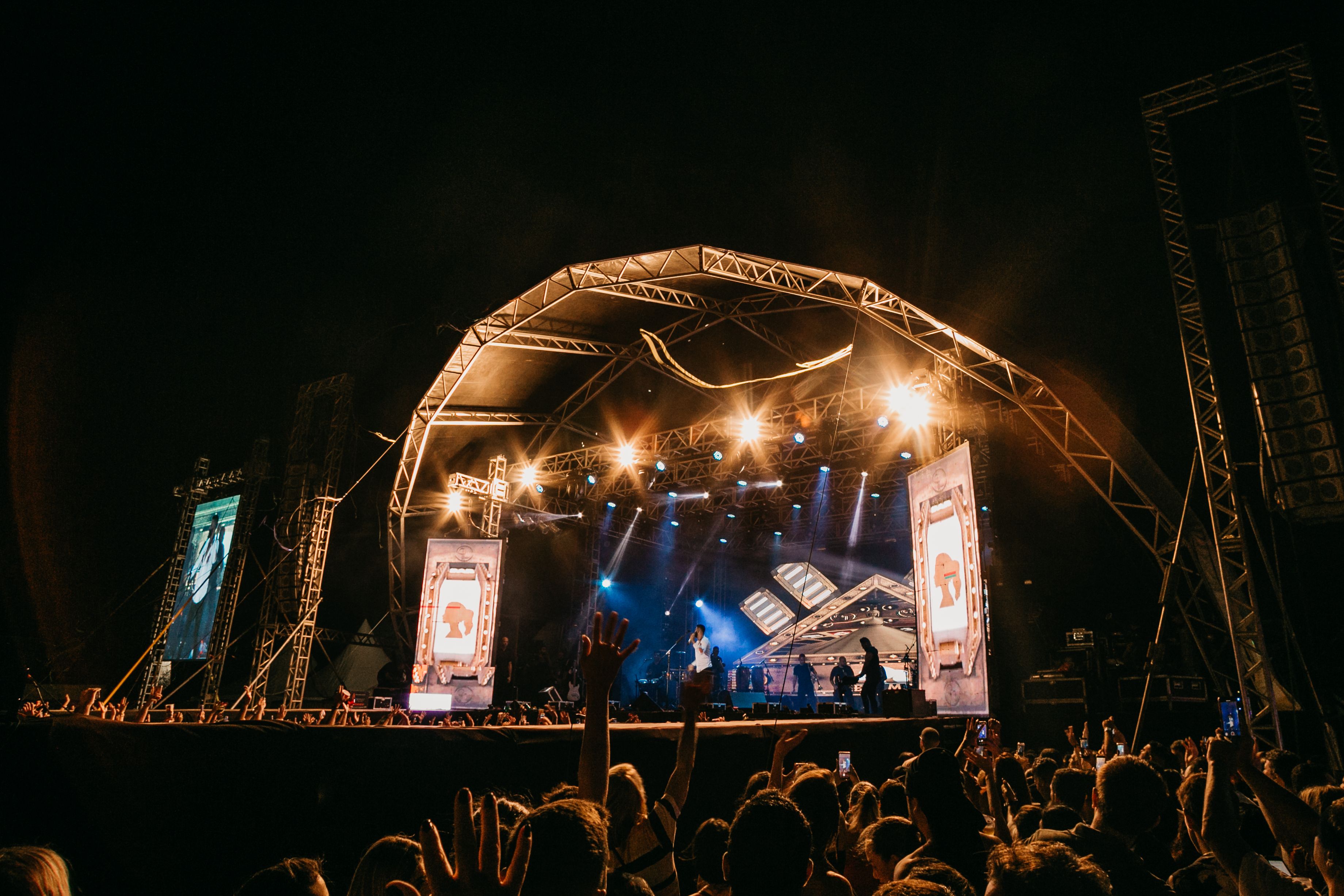
The Touring Renaissance: Why Live Music Is Worth More Than Ever
As streaming revenue plateaus, artists are investing heavily in tours and live experiences. Here's what the shift means for working musicians.
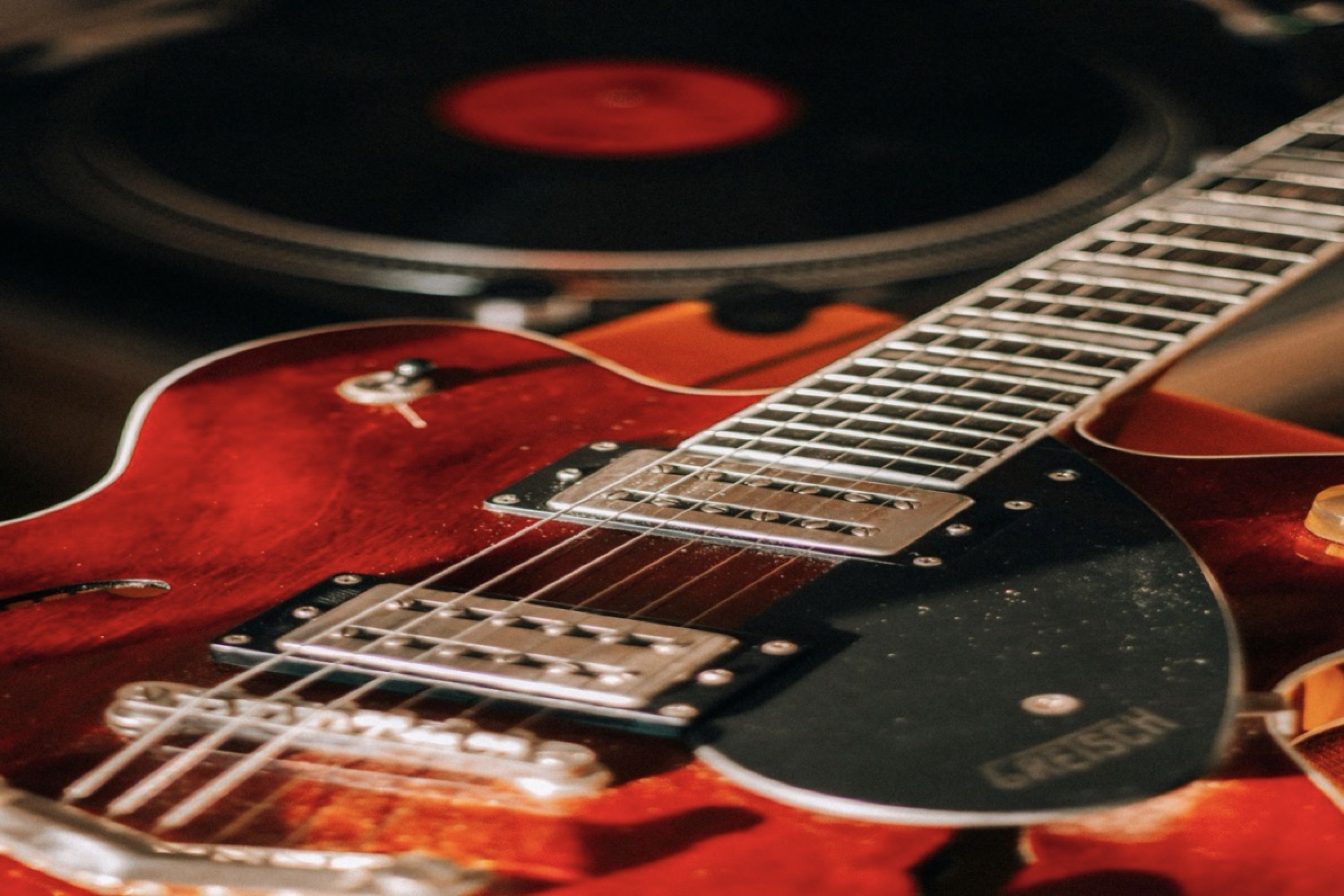
The Live Music Comeback: Why Tours Are Bigger Than Ever
As streaming dominates recorded music, touring has become the primary revenue engine for artists—and the live entertainment industry is booming like never before.

The Rise of Artist Collectives: How Independent Musicians Are Building Power in Numbers
Artist collectives are reshaping the music industry, giving independent musicians the tools, resources, and community to compete at scale. Here's why the movement is gaining momentum.
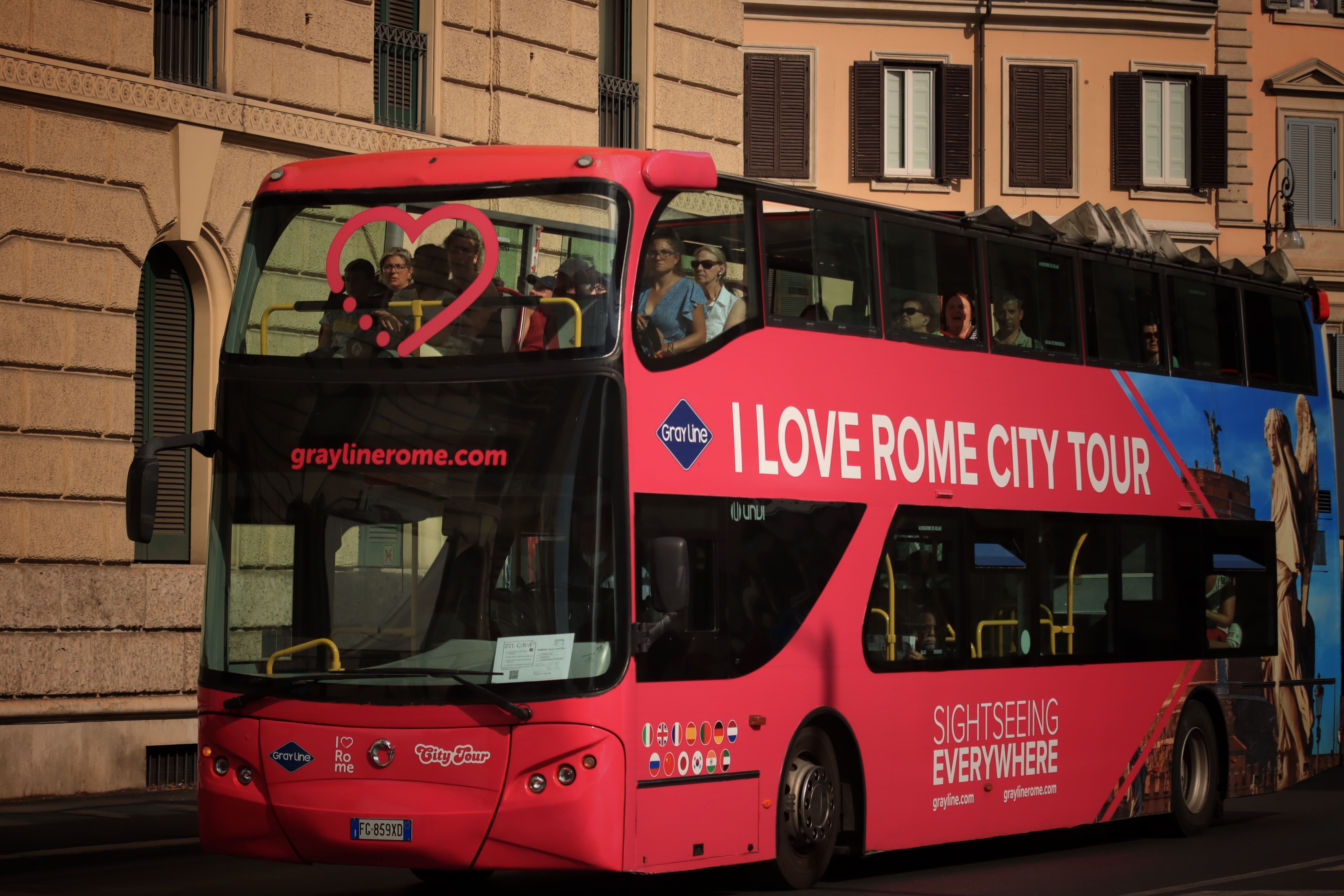
The Touring Comeback: Why Artists Are Hitting the Road Again
After years of streaming dominance and pandemic disruption, live touring is reasserting itself as the centerpiece of artist careers and industry economics.
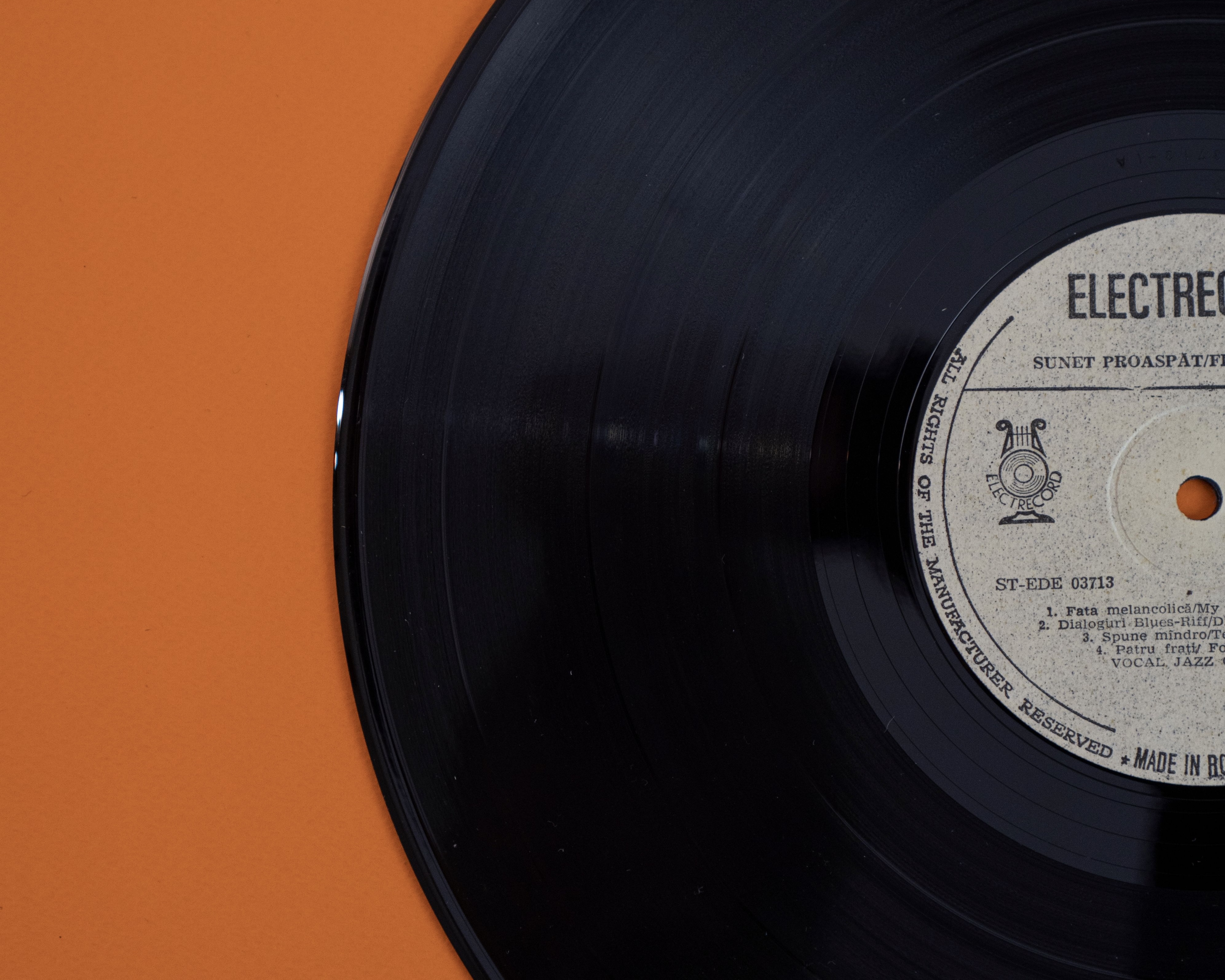
The Rise of Artist-Owned Labels: Why Musicians Are Going Independent
From Beyoncé to The Weeknd, major artists are launching their own labels. Here's what this shift means for the industry and independent musicians.
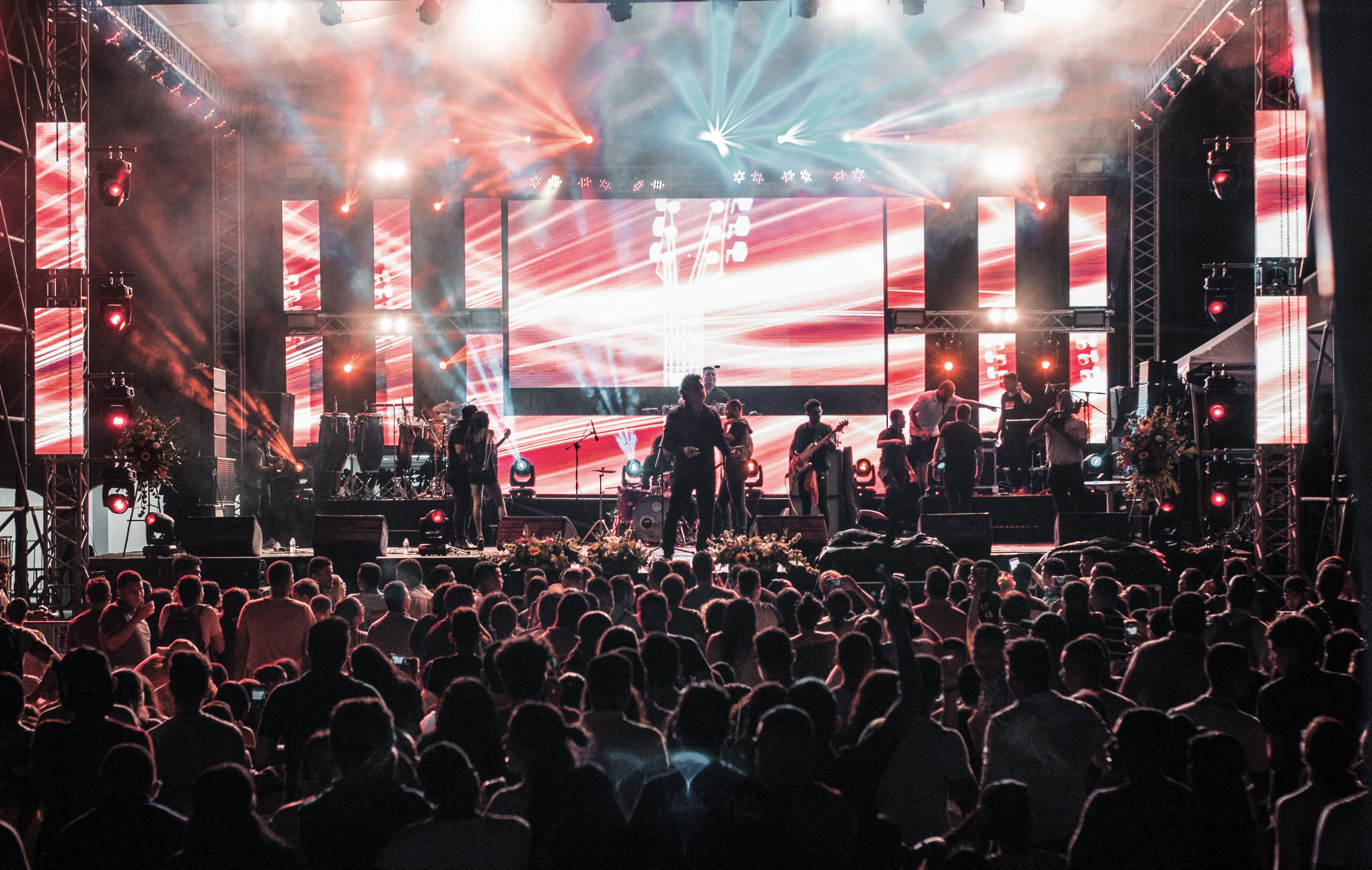
The Touring Renaissance: Why Live Music is Booming Again
After pandemic disruptions, touring has roared back as artists prioritize the road and fans drive record ticket sales. Here's what's shifting in live entertainment.
The Live Nation Effect: How Touring Reshaped Modern Music
From stadium dominance to festival consolidation, Live Nation's influence on how artists tour and fans experience live music has fundamentally changed the industry landscape.
Suggested Entertainers
No suggestions right now.