The Comeback Album Problem: Why Returns Never Match the Hype
The Setup: A Decade of Absence Suddenly Matters
There was a time when an artist's return after a long hiatus felt like a genuine cultural event. Prince's "comeback" tours in the 2000s, Lauryn Hill's rare appearances, even the pre-announcement rumors of a Guns N' Roses reunion—these were moments that warranted think pieces, held genuine stakes, and shifted expectations for what the artist might do next. The absence created a vacuum that the return was supposed to fill.
That math no longer works. Artists are still taking extended breaks—sometimes five, seven, even ten years between albums—but the return no longer carries that same gravitational pull. The industry keeps building a comeback narrative around every delayed release, only to watch the album arrive to decent (not massive) numbers, playlist rotation, and a social-media moment that lasts 72 hours.
The problem isn't that artists are rustier or that the music is weaker. The problem is structural: the music industry is still operating on pre-streaming assumptions about how absence and return should function, while the actual conditions that made comebacks matter have fundamentally shifted.
Why the Absence Used to Work
A prolonged gap between albums used to force several things to happen simultaneously. First, your last record aged. Listeners revisited it, recontextualized it, sometimes even appreciated it more than they did on release. The gap itself became a narrative—was the artist stuck? Reinventing? In decline? The speculation mattered because there was genuine information vacuum.
Second, you became a scarcity good. You weren't on every playlist rotation, you weren't featured on a dozen collabs a year, you weren't dropping remixes or loosies or participating in the constant content churn. When you finally released something, it felt like an event because you'd actually disappeared.
Third—and this is crucial—the music industry's release calendar was less cluttered. A major artist's return could dominate attention for weeks because there weren't three other major releases the same week, another ten the following week, and a playlist algorithm aggressively rotating in 47 new songs simultaneously.
The Streaming Problem Nobody Wants to Name
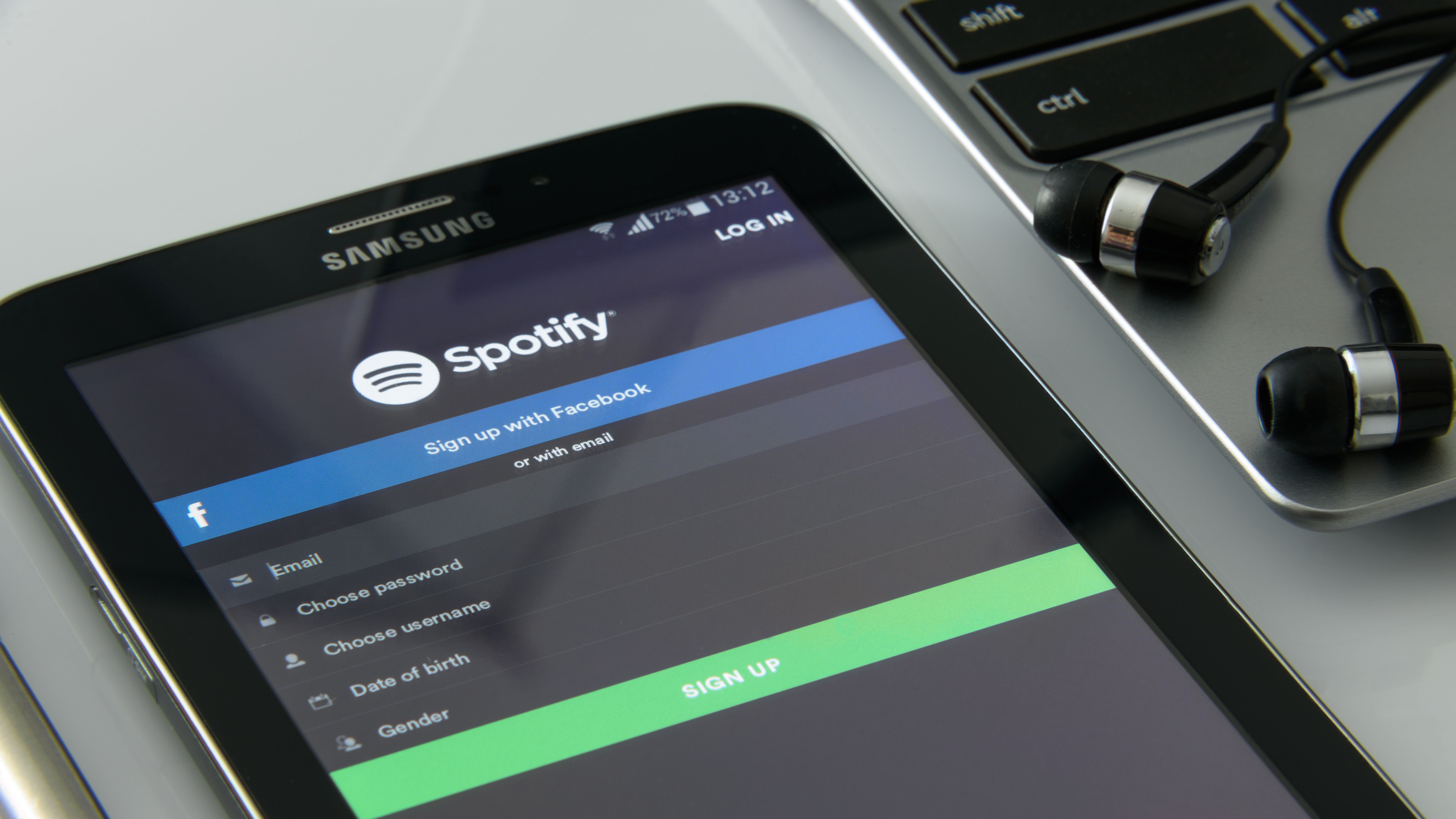
Streaming flattened the comeback. On Spotify, Apple Music, and YouTube, your old music never actually ages out. It stays in rotation. A listener can hear your 2009 album at any moment; the gap between that and your 2024 album is invisible to the platform, and therefore invisible to the algorithm's sequencing logic. Your absence creates zero scarcity because the product is infinitely available.
More subtly: streaming pays per-stream, not per-album. A comeback album needs millions of listeners to move the needle financially. That requires sustained attention, not just an opening-week bump. But sustained attention is exactly what contemporary listening patterns don't offer. Music discovery on streaming is dominated by playlists, recommendations, and algorithmic sequencing—not by the kind of deep-dive, artist-focused listening that a "major return" used to inspire.
A listener might love your new single when it hits their Discover Weekly. They might add it to a playlist. But they're doing this alongside 40 other songs added that week, competing for earbuds during commutes and workouts. The context that used to make a comeback feel monumental—the focus, the anticipation, the sense that this was a major cultural moment—is functionally impossible in an environment optimized for frictionless consumption and algorithmic interchangeability.
The Marketing Machinery Can't Fill the Gap
Labels and management still treat comebacks like they're 2003. They build mystery. They seed rumors. They do the slow-roll single release. They coordinate think pieces and podcast appearances. They build hype.
But hype, in an attention-economy context, has a shelf life measured in days, not months. The elaborate pre-release machinery still exists; it just no longer translates into the kind of album-focused, sustained cultural engagement it once did. The moment the album lands, the algorithmic cycle moves on. Playlists rotate. The discourse shifts. The "event" is over before most casual listeners have even heard it.
Artists who take long breaks sometimes come back to solid debuts-adjacent numbers—respectable streaming counts, decent chart positioning, meaningful press. But there's almost never a moment where the return genuinely dominates the culture or substantially outperforms what they'd do with a normal release cycle. The absence didn't actually buy them anything.
The Unspoken Truth
The comeback album as a concept might simply be obsolete. Not for artists who maintain some level of cultural presence during the gap—those artists don't have a "comeback," they have a return to frequent output. But for those who genuinely step back, the return no longer functions as a cultural inflection point.
Smart artists are starting to realize this. Some are experimenting with different release strategies, surprise drops, and episodic content rather than the single-album event. Others are leaning into the absence differently—using it for genuine reinvention rather than betting on the machinery of hype to create an event that the market no longer supports.
The industry keeps making comeback albums. Listeners will keep listening to them. But the special gravity that used to surround these moments? That's gone. And until the release infrastructure and listener behavior actually align on what a "major return" means in a streaming context, expecting a five-year absence to automatically translate to a cultural moment is just fantasy.