The Nostalgia Trap: Why Every Show Feels Like a Tribute Act
The Setlist Has Become the Whole Show
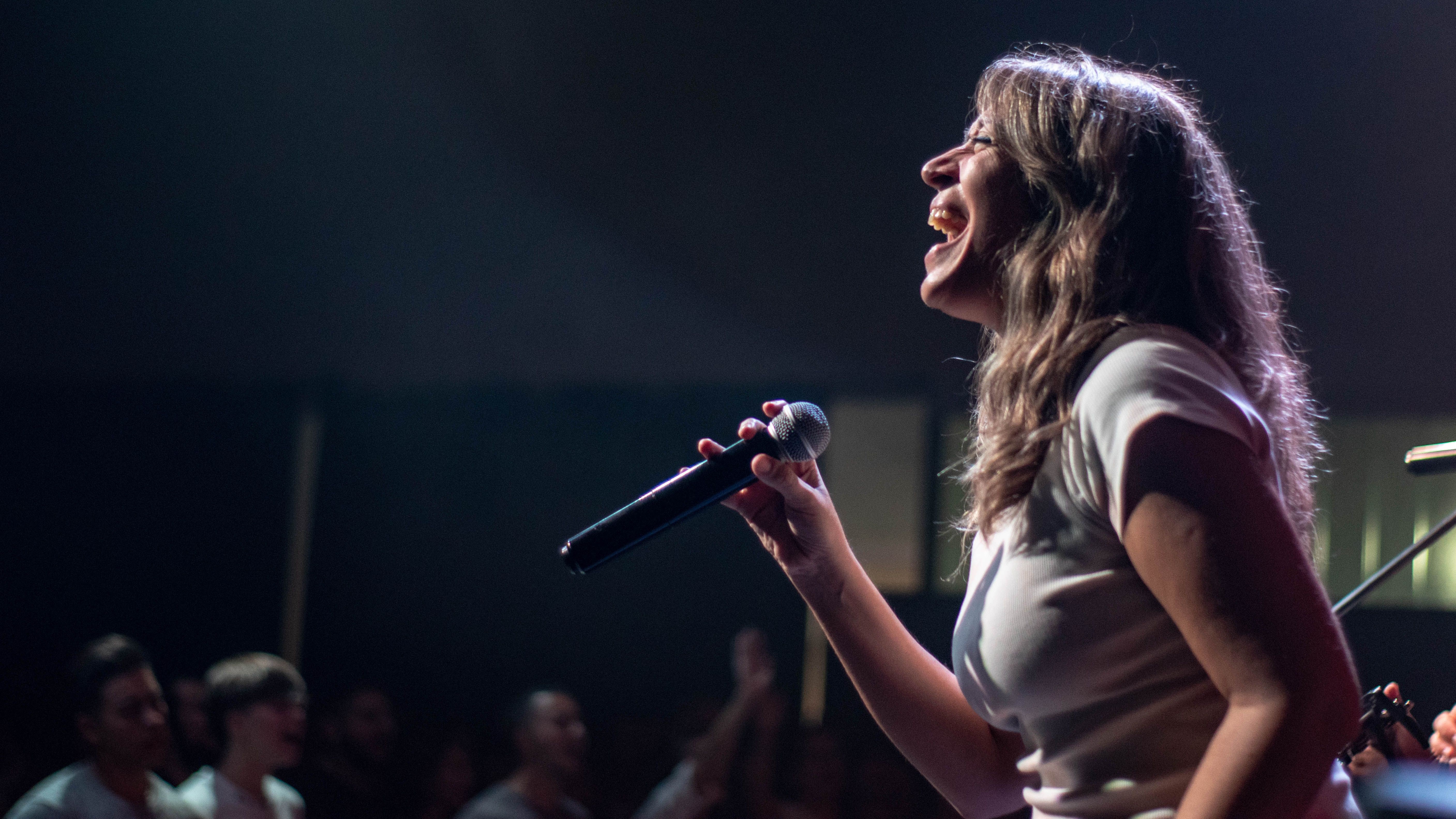
Walk into a concert venue anywhere in North America right now, and you'll notice something: the setlist feels predetermined, locked in, almost mandatory. An artist tours to play their hits—the songs that got them here—and that framework has calcified into something approaching law. Even artists with deep catalogs and genuine creative evolution feel obligated to deliver the greatest-hits version of themselves, night after night, year after year.
This isn't entirely new. The touring model has always centered on a core of fan favorites. But something has shifted. Where artists once used tours as showcases for new material, testing ground for unfinished work, or even opportunities to dig into obscure deep cuts, the modern tour increasingly functions as a museum of an artist's own past. The risk of disappointing the paying customer—or worse, of failing to trend on social media the next morning—has made the familiar the safest bet.
The Streaming Economy Locked Everything in Place
The culprit isn't hard to identify: the streaming era didn't just change how we listen to music at home. It fundamentally altered the economics of live performance. When Spotify and Apple Music made the full catalog instantly accessible, the live show stopped being a place to hear rare recordings or catch surprises. Instead, it became a place to experience the definitive version of what you already know.
Ticket prices have climbed astronomically over the past decade, driven partly by artist demand but largely by the consolidation of promoters and the financialization of touring. When a single concert ticket costs $80–$200 before fees, audiences rightfully expect value: the songs they paid for. Artists and promoters have responded by doubling down on the hits, the spectacle, the recreated music video moments. There's less room for experimentation when the ticket price reflects a guarantor's assessment of what will sell, not what an artist wants to explore.
The Tribute-Act Problem Goes Upstream
But the real issue runs deeper than just conservative setlists. Look at the broader entertainment landscape, and you see the same pattern playing out everywhere. Broadway has become a machine for revivals and IP adaptations. Streaming services green-light reboots faster than original series. Radio format rigidity has pushed so much music into narrow boxes that entire genres function as nostalgia products.
Even newer artists—those without decades of hits to lean on—are being packaged and sold on reference points rather than originality. A TikTok-viral song gets locked down, algorithmic-optimized, and then performed the exact same way every time because that's what the algorithm rewarded. The pressure to be consistent, quantifiable, and on-brand has created a culture where artists are increasingly the executors of their own back catalog, not its creators.
The Audience Knows Something's Off
What's revealing is how openly audiences have started to express disappointment. Not disappointment at specific shows, but at the broader model. Fan communities on Reddit and Twitter frequently discuss which artists still take risks in concert, which ones have stopped evolving, which setlists feel phoned in. The discourse has shifted from "Was it a good show?" to "Is this artist still willing to surprise us?"
Some artists are pushing back. Acts like The National, Radiohead, and certain indie and hip-hop artists have built reputations on setlist rotation, deep-cut curation, and genuine night-to-night variation. These aren't necessarily the biggest earners in the room, but they've developed something their conservative contemporaries haven't: fan bases that show up because they trust the artist to deliver something different. That's a harder sell to a shareholder, but it's also a more durable business model.
The Trap Is Structural, Not Individual
The frustration here isn't really directed at individual artists. Most performers would likely prefer more freedom. The trap is structural: a system where higher ticket prices, consolidated venue ownership, tour financing that demands predictability, and an algorithm-driven media landscape all conspire to make the safe choice the only rational choice. Creating something new in that context requires not just artistic courage but genuine economic leverage—the kind most working musicians don't have.
Until the economics of live performance shift—until risk doesn't carry quite so much financial penalty, until audiences are genuinely willing to pay for the unknown—expect more shows that feel like tribute acts to an artist's own past. We'll keep paying to hear what we already know, and somewhere in that loop, the possibility of genuine surprise got lost.