The Rehearsal Studio Extinction: Why Sound Stages Are Vanishing
The Studio That Used to Be There
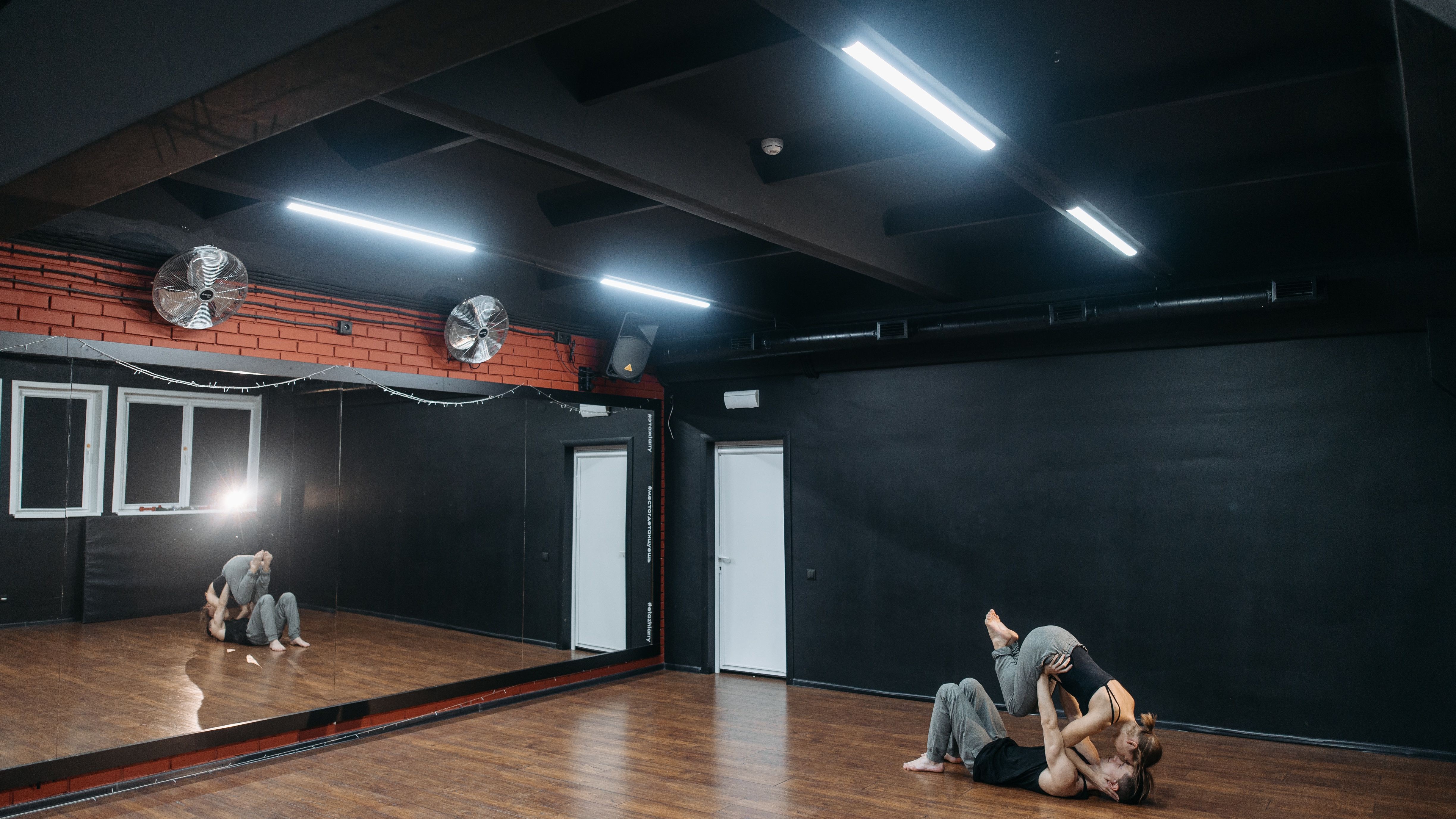
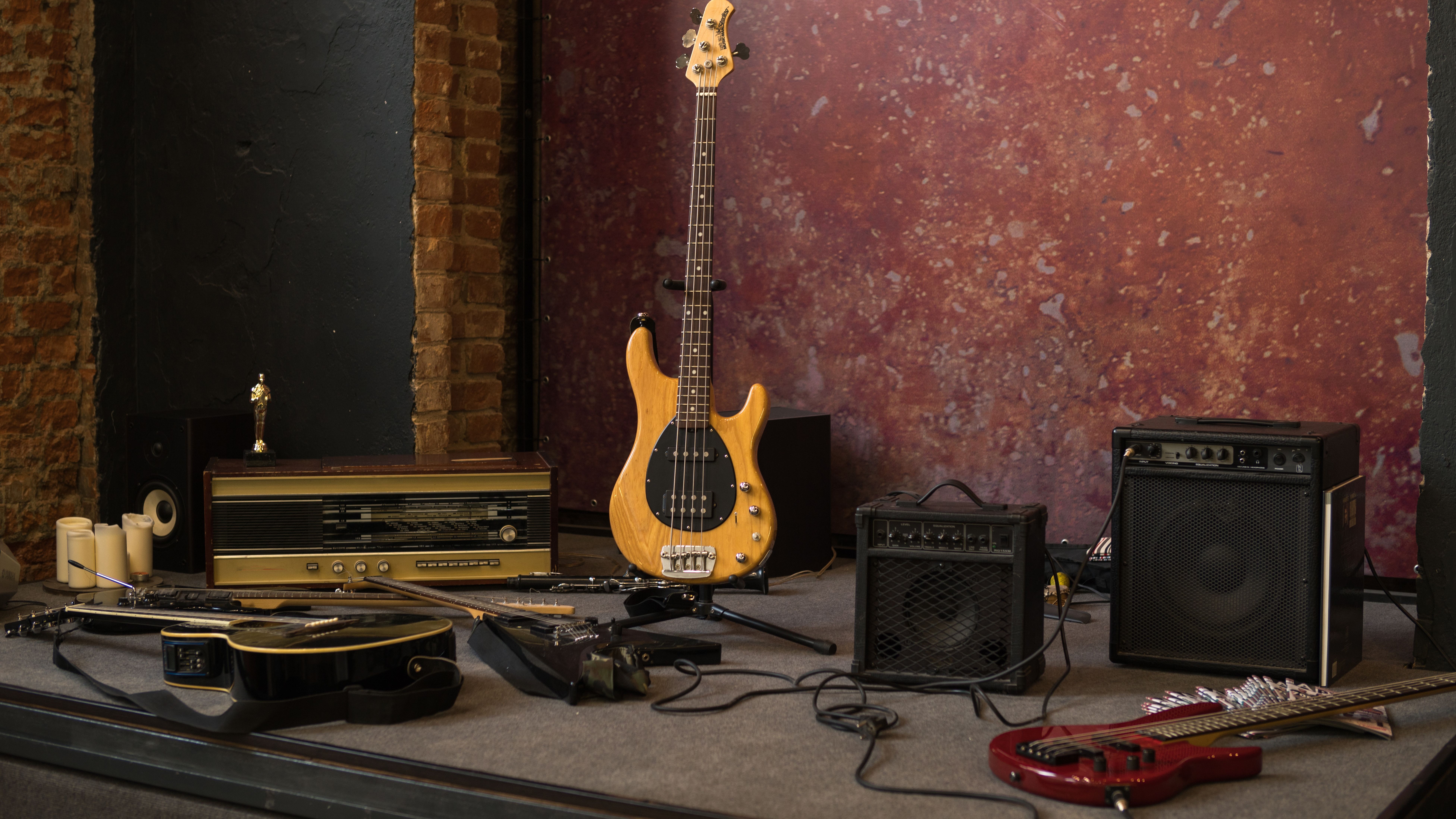
Five years ago, a working musician in any major city could rent a rehearsal studio by the hour—bass amp, drums, PA, mirrors for dancers, isolation booths for vocalists. You'd book a room for twenty bucks, spend four hours tightening a set, and move on. The economics were simple: low overhead, high turnover, thin margins, but enough volume to keep the lights on.
That infrastructure barely exists anymore. Across Los Angeles, New York, Nashville, London, and Berlin, the mid-tier rehearsal studio—the workhorse of touring musicians and choreographers—is being systematically erased. What's replacing it isn't innovation. It's absence.
Why Rehearsal Space Became Toxic Real Estate
The death of the rehearsal studio is not accidental. It's economic logic running its course. These spaces occupied valuable urban square footage, often in neighborhoods that have gentrified. A landlord renting a 5,000-square-foot soundproofed room for $3,000 a month can now subdivide it into five high-end lofts at $3,500 each. The math is impossible to ignore.
The secondary pressure came from the pandemic. Studios closed, artists stopped touring, rehearsal became a luxury rather than a necessity. Many landlords used the shutdown as cover to reclaim space. When venues and touring finally returned, the studios didn't reopen. The real estate had already been repurposed, and there was no financial incentive to convert it back.
On top of that: major cities implemented stricter noise ordinances, particularly in mixed-use neighborhoods. A rehearsal studio that once operated in a semi-industrial zone now sits in a residential area with rules that make amplified sound legally risky. Landlords and operators faced rising insurance costs and permitting friction. It became simpler to get out.
The DIY Myth and Its Limits
The industry narrative now is that artists just build home studios. Buy audio gear, treat a bedroom, record from your apartment. And yes—for songwriting and recording, home setups have democratized access dramatically. But a singer-songwriter home studio and a full-band rehearsal space are not the same thing.
You cannot rehearse a live set in a bedroom. You cannot teach choreography without mirrors and room to move. You cannot dial in drums and bass together in a treated closet. A producer can mix in a bedroom. A touring band cannot. These are different activities with different spatial requirements.
What's happened is the industry has collapsed two separate functions—recording and rehearsal—into one category and pretended that home recording solves both problems. It doesn't. It solves one and abandons the other.
The Hidden Cost to Live Performance
The loss of affordable rehearsal space is creating a quiet but measurable decline in live performance quality, especially for emerging and mid-career artists. Bands are showing up to gigs underprepared. Choreography is less precise. Timing is sloppy. These aren't moral failures—they're the result of artists not having the space to prepare properly.
The economic logic is vicious: if you can't afford to rehearse before a gig, you take more gigs to pay rent, which leaves you even less time to rehearse. Quality suffers. Audiences notice. Venues book you less. Income drops further. The death spiral accelerates.
Established acts with touring budgets can rent private studios or build rehearsal into their production schedules. Young artists, working musicians, and local touring bands cannot. The infrastructure loss is stratifying live performance: accessible to the already-successful, impossible for everyone else.
What's Actually Happening Now
Some cities are seeing micro-rehearsal spaces emerge—smaller rooms, cheaper rates, less overhead. But these are band-aids on a systemic wound. They're also precarious, occupying spaces that are one rent increase away from closure.
A few cities have begun to recognize rehearsal and performance space as cultural infrastructure worth protecting. Some municipalities have started offering incentives to preserve it, or zoning protections that allow for sound-producing uses in residential areas. But these efforts are sporadic and underfunded. There's no coordinated push to actually solve this.
What should be happening: cities need to treat rehearsal studios the way they treat libraries and public swimming pools—as cultural commons with public value, worthy of subsidy or protection. The touring ecosystem, the live music economy, the dance world—all of it depends on artists having affordable, accessible places to prepare. Without it, performance becomes something only wealthy artists can afford to get good at.
The rehearsal studio isn't a nice-to-have. It's infrastructure. And we're watching it disappear without a conversation.