The Setlist Hostage Crisis: Why Artists Lost Control of What They Play
The Setlist Used to Be Sacred
There was a time when a setlist was a conversation between artist and audience, rewritten nightly based on mood, energy, crowd response, and what the performer felt like exploring. A jazz musician might stretch a standard into the stratosphere. A rock band might drop their biggest hit entirely if the vibe called for deep cuts. A hip-hop artist might freestyle over a beat that wasn't planned. The setlist was a living document—proof that you were watching something unrepeatable.
That era is functionally over. What's replaced it is something far more rigid: a optimized, algorithmically-influenced, label-negotiated, fan-expectation-bound constraint that feels less like a setlist and more like a legal obligation.
How Streaming Killed the Deep Cut
The math is merciless. An artist's career success is now measured in playlist placement, algorithmic reach, and streaming minutes. If you perform a new song or a deep album cut, you're not generating the engagement metrics that matter to the platforms distributing your music. You're not racking the same streaming numbers. Meanwhile, if you're a major-label artist, your label has financial incentives tied to your most commercially viable tracks—the ones that move units, sync to TV, and convert casual listeners to committed fans.
The result: pressure from both ends of the supply chain to stick to the hits. A touring artist who performs primarily songs from their third album might watch their streaming numbers stagnate. A label wants the artist performing lead singles and certified tracks because those shows become marketing extensions for the recorded output. The setlist becomes not a creative choice but a revenue-optimization problem.
Independent and mid-tier artists feel this differently than superstars, but they feel it nonetheless. A band on a regional tour might think twice about burying their most-streamed song in the second half of a show when they know casual fans are checking them out for the first time.
The Algorithm Demands Consistency
There's also a meta-layer: fan expectation has been colonized by the algorithm itself. People now expect to hear a specific song because spotifys algorithm suggested it, because it went viral on TikTok, because it charted. A fan who paid $75 for a ticket to see an artist might feel cheated if that artist doesn't perform the one song the fan knows—which is often the one song the algorithm decided to promote.
Compare this to the pre-streaming era. You went to a show; you heard the artist do whatever they felt like. You might discover something new. You might be disappointed that they skipped the one track you wanted. But there was an understanding that live performance was a separate experience, with its own logic. The artist owed you their presence and effort, not a jukebox version of their recorded output.
Now, venues and labels have data. They know which songs drive ticket sales, which songs generate social-media clips that go viral, which songs audiences expect. A touring musician is armed with analytics telling them exactly what the crowd wants to hear. The freedom to deviate has become economically irrational.
The Contract Trap
For artists signed to major labels, setlist constraints can be baked directly into touring contracts. A label funding a tour, or guaranteeing advances, might require certain songs be performed. Festival lineups often come with unwritten but understood requirements about which hits need to land during a set. A radio station sponsoring a show has expectations too. The performer enters the stage already having forfeited a degree of autonomy.
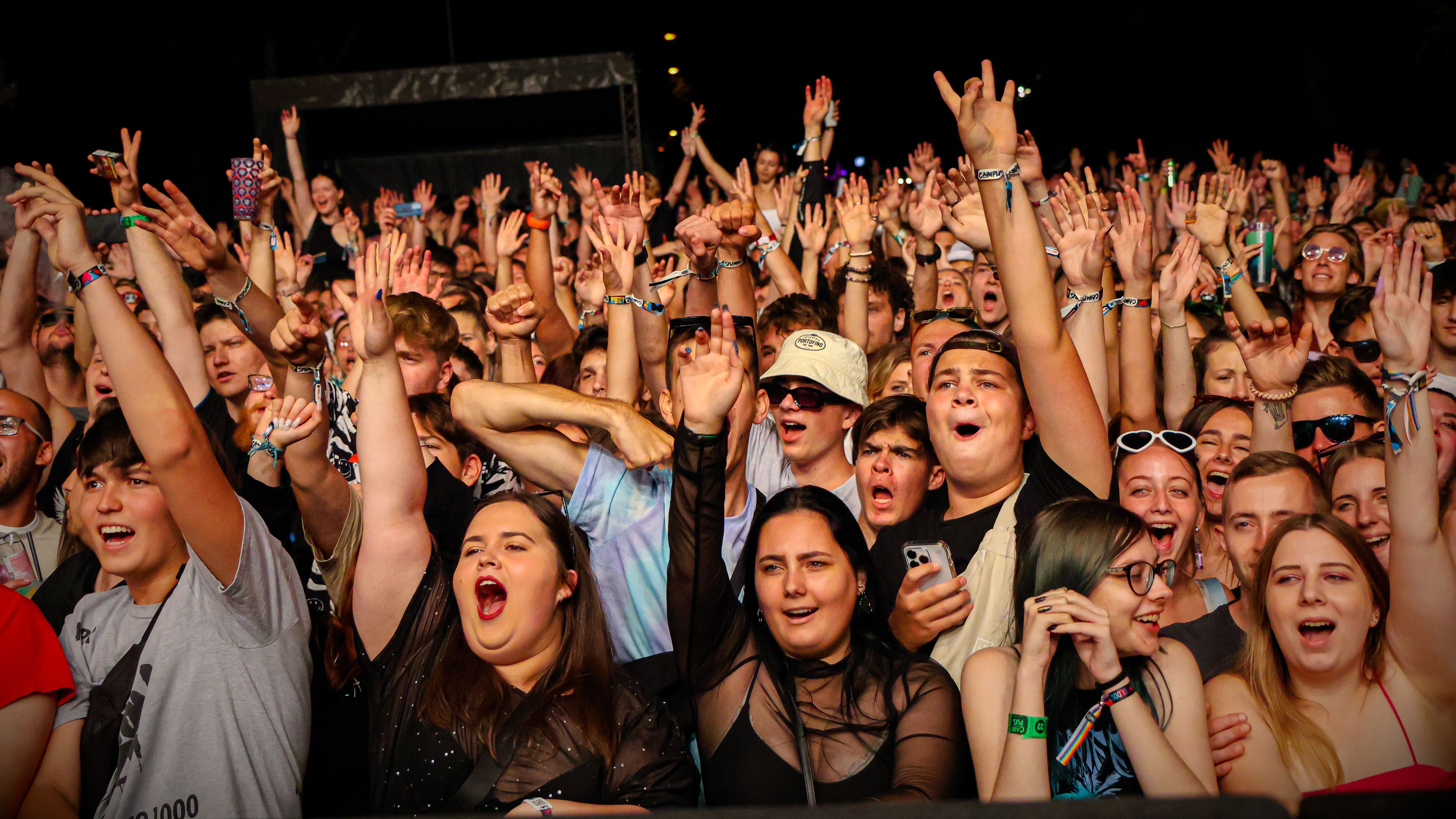
Even the ticket buyers themselves have become stakeholders. A concert now generates dozens of short-form clips—TikToks, Reels, Instagram Stories. That content is currency, and it performs best when it features recognizable moments. An artist improvising or playing an obscure track doesn't generate the same engagement. So the setlist, once a private creative decision, becomes a public content-generation strategy.
What Gets Lost
The casualty is spontaneity, discovery, and the thing that made live music feel truly live: the sense that you were watching an artist make real-time creative choices, not execute a predetermined plan. It's the difference between a jazz trio responding to each other in the moment and a backing track playing to a click track.
Not every artist has surrendered. Certain performers—often those far enough into their careers that they can afford to disappoint casual listeners—still treat the setlist as a creative tool. But they're increasingly outliers. For most working musicians, especially those in the middle class of entertainment, the setlist has become one more thing that isn't theirs to control.
The stage used to be the one place an artist could still be an artist. Now it's another platform optimizing for engagement, algorithm-friendliness, and predictability. The setlist hostage crisis isn't dramatic—there are no villains, just incentive structures that all point in the same direction. But something has shifted. What used to be a conversation is now a transaction.