The Opener's Dilemma: Why Opening Acts Are the Invisible Economy
The Vanishing Opener
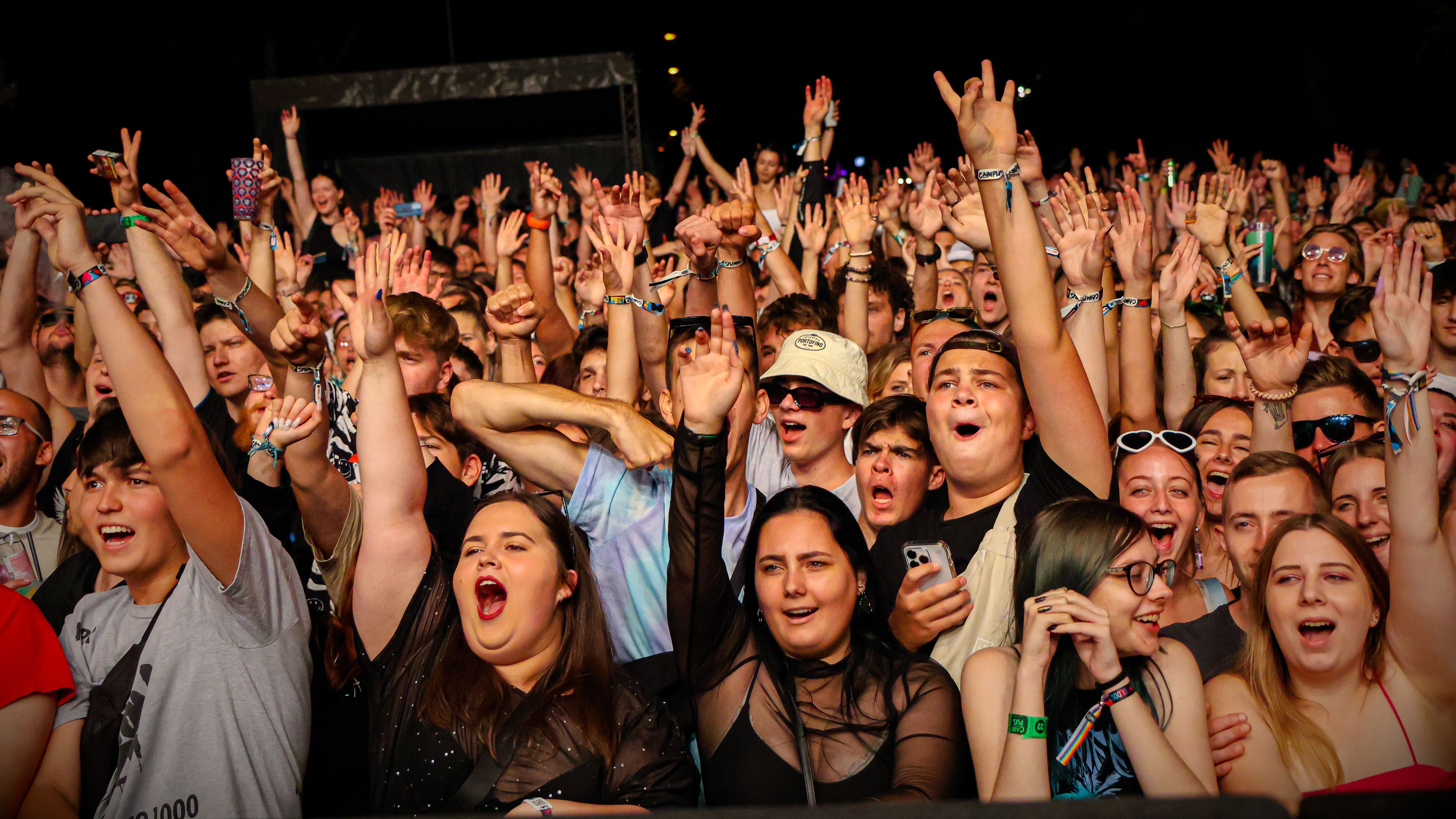
Walk into a mid-sized venue on any given night in 2024 and you'll notice something odd: the show starts late, the headliner takes the stage after minimal warmup, and if there's an opener at all, they're either a friend of the band or a local artist playing for tips and exposure. This wasn't always the norm. A decade ago, the opener slot was a deliberate, crucial part of the live-music ecosystem—a place where emerging artists built audiences, venues filled seats earlier in the evening, and touring bands guaranteed a proper crowd ramp.
Today, that infrastructure has largely evaporated. The reasons are economic, structural, and surprisingly universal across genres and venue sizes. And unlike the usual industry disruptions, this one has gone almost entirely unremarked-upon, even as it reshapes who gets to play, who gets discovered, and how touring actually works.
The Math That Stopped Adding Up
The traditional opener model relied on a simple equation: venues paid a small flat fee or door split to an opening act (anywhere from $50 to $300, depending on the market), and in exchange, that opener brought fans who arrived early, bought drinks, and created atmosphere. The headliner benefited from a warmed-up crowd. The venue benefited from extended bar revenue. The opener benefited from exposure and a paycheck, however modest.
That equation broke when three things happened simultaneously. First, streaming killed the album-release tour cycle—the structure that historically funneled new artists into the opener slot. Second, social-media-first discovery meant emerging artists could build followings without ever playing a live stage, making the traditional career ladder feel obsolete. Third, venues began squeezing margins so aggressively that they stopped absorbing the cost of an opener and started demanding the headliner cover it.
For touring acts already managing thin margins, paying an opener became a luxury item. For venues, asking a headliner to fund the entire bill simply made business sense. And for the opener? They were suddenly not just competing for a slot—they were competing to work for free.
Who Really Pays the Price
The collapse of the opener economy has a direct casualty: geographic diversity in who gets to tour. Opening slots were historically how artists from smaller markets or underrepresented regions broke into larger cities. You'd build a regional reputation, get booked as an opener in a bigger market, gain new fans, and gradually expand your circuit. That pathway still technically exists, but it's been rewired entirely toward already-established acts.
Now, openers are typically either established regional acts with their own fanbases (who can theoretically draw people), celebrities doing career pivots (who bring media attention), or brand partnerships (who bring sponsorship money). The emerging artist—the person who most needs the exposure and the paycheck—has largely been priced out.
The result is a touring ecosystem that perpetuates itself forward rather than cycling new talent through. If you didn't already have significant social-media reach or an existing fanbase, the traditional stepping-stone to touring visibility is no longer available. You either play basement shows and DIY circuits indefinitely, or you pursue a completely different path to visibility.
The Headliner's Unspoken Burden
There's another layer here that rarely gets discussed: many touring acts don't actually want to book openers anymore, even when they could afford it. An opener represents risk—someone else's performance, someone else's stage presence, potential technical complications. A headliner playing an intimate venue might actually prefer a quick sound check and then straight to stage, especially on exhausting tours with tight timelines.
Venues, sensing this, stopped pushing back. Why insist on a two-hour event when a 90-minute headliner set moves the same number of tickets and requires less coordination? The incentive structure had simply realigned.
What Rebuilding Looks Like
Some venues and promoters are quietly experimenting with fixes: bundled ticket pricing that makes the opener transparent, direct sponsorship of emerging-artist slots, and explicit commitment to mixed bills. A small number of festivals and touring circuits have begun treating the opener slot as a deliberate investment rather than a cost to minimize.
But without systemic change—either from venues committing to the model or from the industry recognizing that discovering and developing new talent requires infrastructure—the opener economy will likely continue its slow fade. The live-music industry will become even more top-heavy, the pathway from nobody to somebody will narrow further, and the entire ecosystem will lose the circulation of new voices it once depended on.
The irony is that this invisible collapse has solved no one's problems. Venues aren't making more money. Headliners aren't touring easier. And emerging artists are stuck in the same place. Something valuable got deleted from the music industry's operating system, and nobody quite noticed it disappearing.