The Rehearsal Studio Extinction: Why Practice Space Is Disappearing
The Last Band Room in Brooklyn
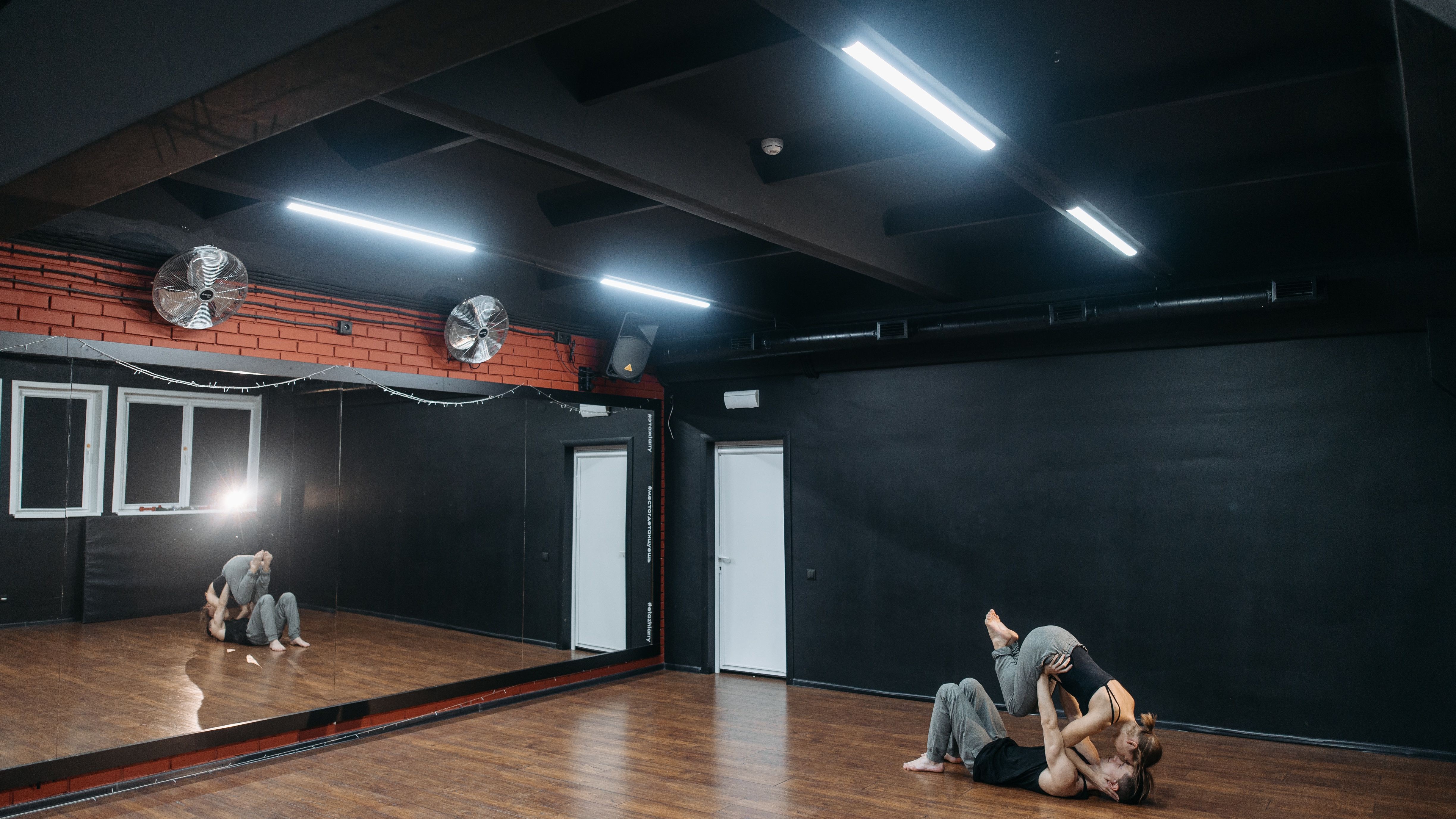
Walk through most major music cities a decade ago and you'd find them easily: basement studios with names like Lucky Dog, The Bunker, Red Dragon, tucked beneath storefronts or in converted warehouses. Bands booked them by the hour. Session musicians fine-tuned arrangements. Drummers didn't have to play on their laps. It was unglamorous, rented space—the bread-and-butter infrastructure where most working musicians actually learned their jobs.
Today, that infrastructure is collapsing. Rehearsal studios across New York, Los Angeles, London, and other major music hubs have closed at an accelerating rate, victims of gentrification and real estate economics that make month-to-month rental income look trivial compared to a conversion to residential or office space. The studios that remain are consolidating into fewer, larger facilities—and pricing themselves out of reach for anyone who isn't already generating significant touring revenue.
For emerging artists and working musicians, this is a quiet catastrophe. But it's barely registered as a cultural story.
The Math That Kills Studios
A rehearsal studio doesn't generate the margin profile that landlords want anymore. A 2,000-square-foot space renting for $800 a month to rotating bands generates $9,600 annually per unit. That same space, converted to residential, rents for $3,500 to $5,000 per month. The landlord's math is instant and brutal.
In major cities, the squeeze is particularly acute. New York's rehearsal studio density has declined sharply in the last fifteen years; the same pressures are hollowing out scenes in Los Angeles, San Francisco, and London. The remaining studios have raised rates to compensate for overhead and scarcity—hourly rates that once cost $20 to $30 now run $50 to $100 or more, depending on the space and city. For a band rehearsing twice a week, that's a $400+ monthly commitment, not counting equipment failures or engineering time.
What's often missed is that this isn't just about convenience. Rehearsal studios served as de facto networking hubs. A drummer, bassist, and guitarist might meet in a studio hallway, jam, and form the core of a band. Sound engineers cut their teeth there. Producers booked sessions. Studios functioned as music-making infrastructure in a way that home recording, for all its democratization, fundamentally cannot.
The Home Studio Myth
Industry observers often point to home recording as a replacement—and it's true that bedroom producers have democratized music creation in profound ways. But rehearsal space and recording space are not interchangeable. A drummer needs to play drums; a guitar band needs to hear itself in three dimensions. A home studio records; a rehearsal space develops.
Worse, the home studio model privileges certain artists (producers, solo musicians, those with space and acoustic conditions) while systematically disadvantaging others (drummers, large ensembles, anyone in cramped urban housing, musicians without the capital to build home setups). The loss of shared rehearsal space is a flattening of opportunity, even if it's invisible as a news story.
Some cities have begun to recognize this as a cultural policy issue. Berlin and parts of London have explored protecting rehearsal space through designations or subsidized artist housing that includes practice rooms. But in most major markets, the response has been resignation.
What Gets Lost
The broader cost isn't just economic—it's developmental. A generation of musicians learned their chops in rehearsal studios. They worked out arrangements, road-tested material, recovered from mistakes in semi-private. They built muscle memory and ensemble instinct. A Zoom jam or a one-off studio session doesn't replicate that iterative, low-stakes development cycle.
For touring musicians and session players especially, rehearsal space was essential to livelihood. A session guitarist booking six different gigs a week for six different bands needed somewhere to prepare parts. A percussion player needed to practice with a live drummer before a session. These working musicians—the ones who actually form the backbone of the music industry and local scenes—depended on cheap, available, reliable rehearsal space.
The closure of rehearsal studios is one of those slow-motion extinctions that doesn't make headlines because it affects people with no PR apparatus. A major venue closure gets covered; the disappearance of ten small studios registers as nothing.
What Comes Next
Some cities are experimenting with solutions: subsidized artist residencies with built-in rehearsal facilities, community-owned studio cooperatives, zoning protections. A few venue operators have begun integrating rehearsal spaces into their buildings, capturing both foot traffic and revenue. But these are exceptions, not trends.
For most musicians in expensive cities, the rehearsal studio era is ending. That doesn't mean music stops being made. It means fewer people will have the unmonitored, affordable space to make mistakes and develop their craft before they're ready to monetize it. In an industry increasingly stratified between well-capitalized producers and everyone else, the loss of rehearsal studio infrastructure is yet another barrier that's quietly rising—invisible until you need it.