The Touring Economy: How Live Shows Became the New Album
The Shift Nobody Planned For
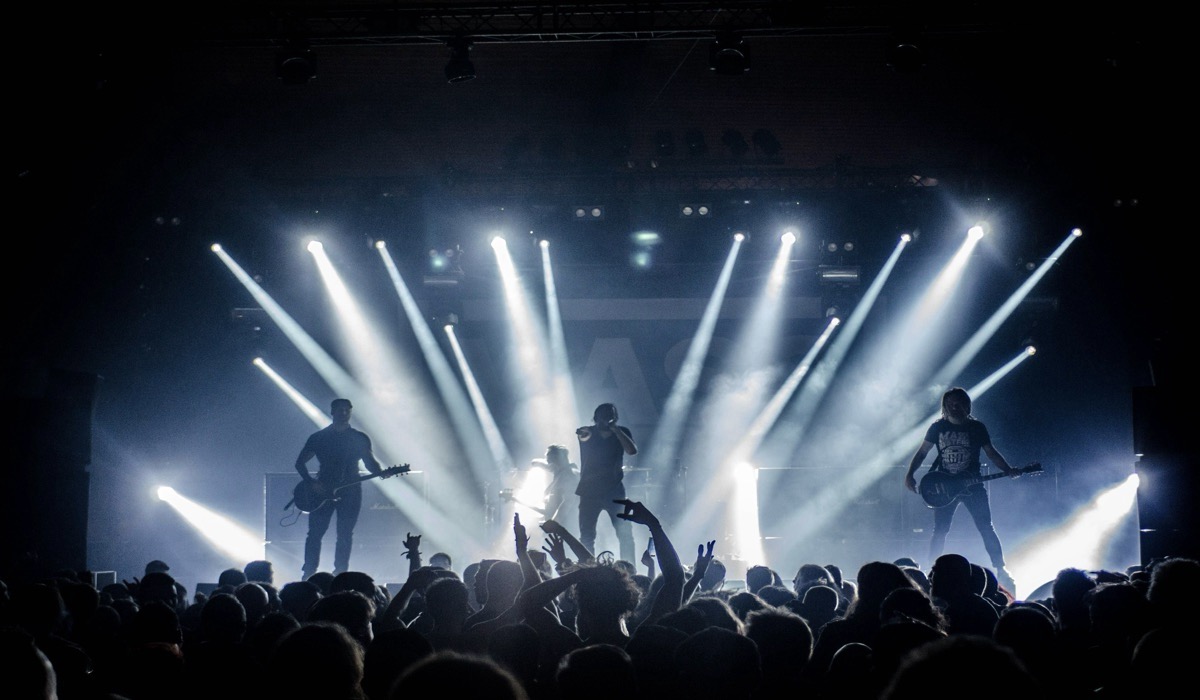
A decade ago, the formula was simple: release an album, promote it, tour to support it. The album was the product. The tour was the marketing vehicle. But streaming flipped that equation. With Spotify, Apple Music, and YouTube handling most of the listening—and taking a substantial cut in the process—artists discovered that recorded music alone couldn't sustain a career. The real revenue, the real connection, the real business is now happening live.
This isn't speculation. The data backs it up. Major touring companies, festival organizers, and independent artists alike have watched touring revenue climb while recorded music revenue stagnated or declined. For working musicians, dancers, comedians, and DJs, this means the entire professional landscape has reorganized around one thing: getting booked and building a live presence that commands ticket sales.
What This Means for Working Entertainers
For established artists, this transition meant reimagining their output. Some of the biggest names in music have shifted their release calendars, dropping albums strategically around tour dates rather than the other way around. Festival lineups have exploded in size and frequency because festivals are where audiences gather to spend money—on tickets, food, merchandise, and experience.
But the real impact is on mid-tier and emerging talent. The path to viability has compressed. You can no longer rely on organic discovery through radio or streaming playlists to build a sustainable income. Instead, the grind looks like this: build a social media presence, cultivate a live following, get booked at venues and festivals, deliver performances that convert casual listeners into loyal fans, and repeat. Rinse and repeat across cities, regions, and platforms.
For DJs, this has been the native habitat for years—touring and live bookings always drove their economy. But for singer-songwriters, producers, and comedians accustomed to different pathways, the adjustment has been significant. Those who've adapted fastest are the ones treating touring and live performance as the primary business, not a secondary revenue stream.
The Festival Boom and Live Economy
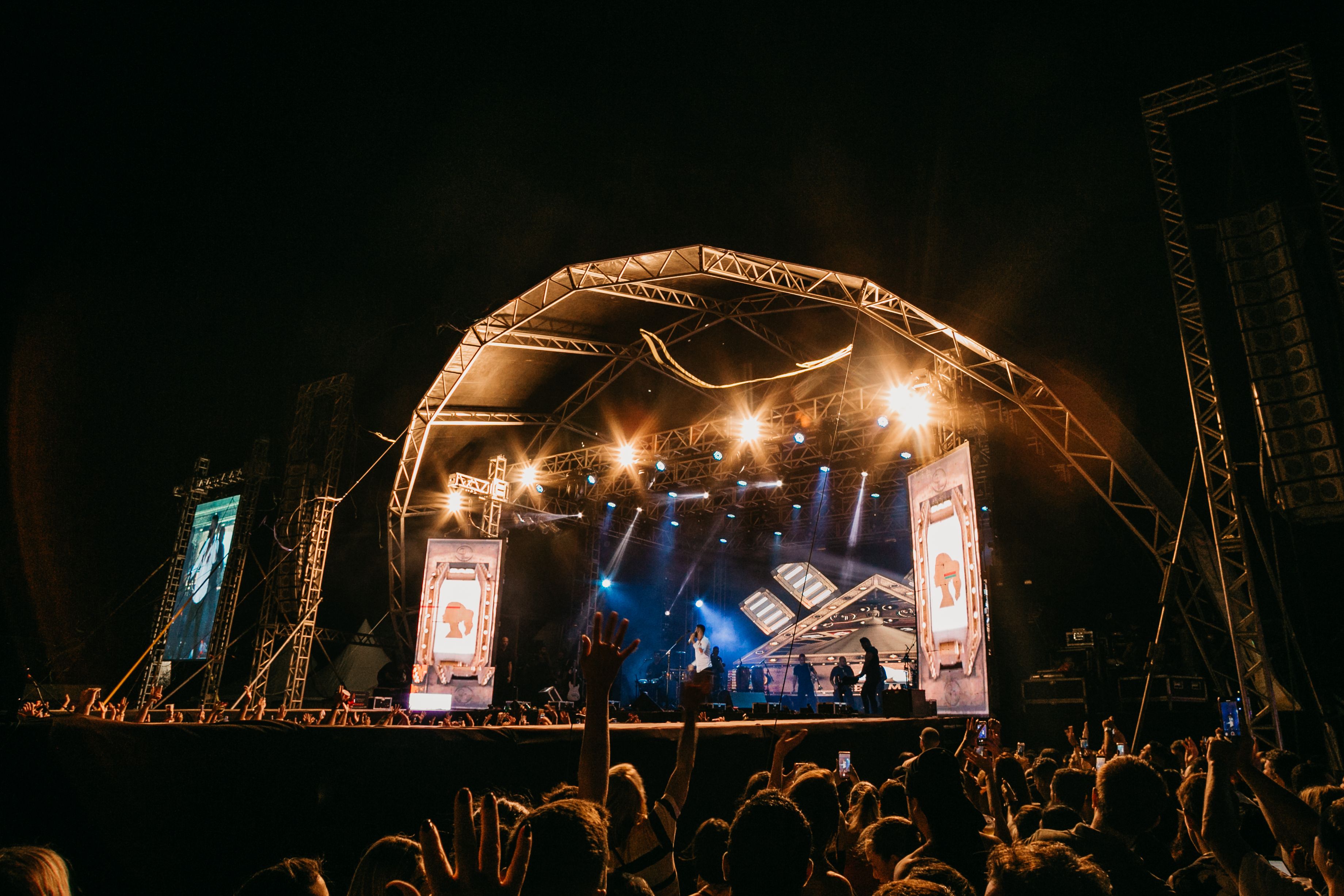
The explosion of music and entertainment festivals over the past decade is a direct symptom of this shift. Festivals aren't just cultural events; they're concentrated marketplaces where promoters, venues, talent agents, and audiences converge. A successful festival run can define an artist's year. It builds brand visibility, sells merchandise, creates content for social platforms, and generates the word-of-mouth that drives ticket sales for headliner tours.
This has created both opportunity and saturation. There are more festivals, more touring options, and more competition for slots than ever before. But there's also more revenue flowing through live events. Promoters and venues are investing in production quality, marketing, and artist fees because they know the audience will show up and pay.
Practical Shifts for Professionals
For musicians, DJs, dancers, and comedians building careers today, this environment demands a different skill set:
- Tour Planning: Understanding routing, logistics, and how to build momentum across multiple shows is now foundational.
- Fan Engagement: Social media and direct-to-fan communication are how you sell tickets and build repeat audiences. The algorithm doesn't care about your album; it cares about your next live show.
- Merchandise and Secondary Revenue: Touring artists have learned to monetize everything—merch, meet-and-greets, exclusive content drops, VIP experiences. It all feeds the live event economy.
- Collaboration and Networking: Being part of a touring community, knowing promoters, building relationships with other artists, and securing opening slots are how you survive and climb.
- Streaming as Discovery, Not Revenue: Platforms like Spotify and YouTube are now promotion tools, not paychecks. They're how new audiences find you before they buy a ticket.
Looking Ahead
This isn't a temporary trend. The structural economics of streaming—where per-play payouts are measured in fractions of pennies—mean that recorded music will likely remain a secondary revenue source for most working entertainers. Tours, festival appearances, and live events are where sustainable careers get built.
For new professionals entering the entertainment industry, this is just the landscape. For established artists, it's been a significant adjustment. But for platforms like Giglive that connect entertainers with booking opportunities, it's never been more relevant. The business of entertainment is now, fundamentally, the business of live performance. Understanding that, and building your career around it, is how you survive and thrive in 2024 and beyond.