The Open Mic Paradox: Why Comedy Clubs Can't Fill the Room
The Room That Nobody's Watching
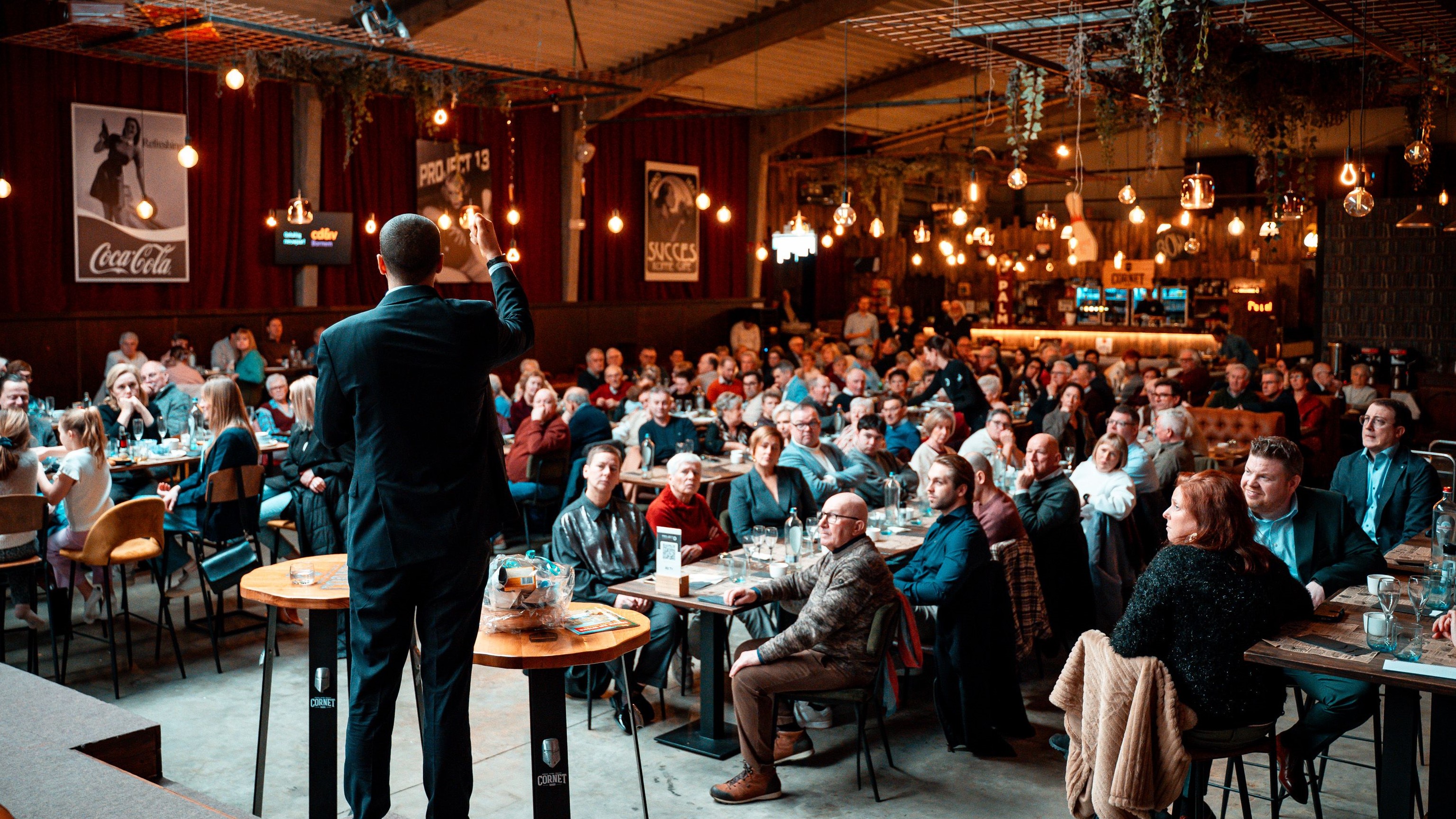
Walk into any comedy club on a Tuesday night and you'll see a strange inversion: the stage is full and the room is empty. Not the working comics—they're still drawing crowds for ticketed shows. But the open mics, the rehearsal grounds where comedians have always tested material and built their chops, have become something closer to a private performance for other performers. The audience has evaporated, leaving behind an ecosystem with no one to laugh at the jokes.
This isn't new, exactly. Open mic attendance has been soft for years. But what's shifted recently is the speed and scale of the collapse, and the peculiar economics that now trap comedians in an eternal loop: they need to perform to build credits for paid gigs, but there's no audience to perform in front of, which means no word-of-mouth, no tape, no real proof that the material works. They're rehearsing in front of other rehearsers—a creative hall of mirrors that leaves everyone slightly more discouraged than when they walked in.
Why Audiences Stopped Showing Up
The conventional wisdom blames the internet: why sit in a room with untested material when you can watch polished specials on Netflix? There's truth there, but it's incomplete. The real issue is more fundamental: open mics stopped being a social event and became a professional transaction—one tilted entirely toward the performer.
Ten years ago, open mics were unpredictable. You'd go for your friend's five minutes and stick around because the hecklers were funny, or because the drunk guy in the back kept talking back to the stage, or because the club's drink special was cheap and the vibe was chaotic. The audience was there partly for the comedy, sure, but also for the social friction—the messy, unrehearsed back-and-forth that made the room feel alive.
Modern open mics sanitized that friction away. Phone policies, stricter emcee control, a general professionalization meant to protect newer comics from getting roasted—all defensible moves on their own. But they also drained the room of the unpredictability that made it compelling to watch. You're no longer going to see something genuinely weird or dangerous. You're going to watch fifteen people test tight five-minute sets in front of five other people's phones. The clock keeps moving. Everyone's doing their time and leaving.
The Performer-Audience Extinction Event
The most damaging shift, though, isn't about content or decorum—it's about who shows up at all. Open mics have become almost exclusively performer-populated. The audience is other comics, waiting their turn. That means no normal people, no casual drinkers, no civilians to test material on. A joke that kills in front of a paying audience of mixed ages and backgrounds might land completely differently in front of eight comedians on their phones between their own sets.
This creates a perverse incentive structure. Comics start writing material they think will impress other comics—inside jokes, references to the open mic circuit itself, meta-commentary on bombing. The work becomes insular, optimized for an audience that's actively rooting against you (or at least waiting for you to fail so they can feel better about their own set). The stuff that actually connects with regular people gets lost.
Venues, meanwhile, are stuck. They need bodies to sell drinks, but the open mics that don't draw a crowd aren't the draw itself—they're the infrastructure that's supposed to eventually produce headliners worth paying for. It's become a loss-leader with no clear return, and more than a few club owners have started cutting back open mic nights entirely, which only accelerates the exodus.
What Comes Next
Some clubs have tried to rebuild the audience by treating open mics less like a performer processing line and more like an actual show—tighter curation, better emcees, actual promotion to people who aren't comedians. A few have gotten traction by leaning into the weirdness, hosting themed mics or formats that feel like events rather than obligations. But these are exceptions.
The real reckoning is that the old model of open mics as a pipeline is broken, and no amount of nostalgia will fix it. The comedians who are breaking through now got their early reps in different ways: house shows, YouTube, TikTok, private showcases, podcasts, colleges. The open mic is no longer the necessary first step.
That's not entirely bad. It means comedy is decentralizing, which lowers barriers for people who can't afford to move to LA or New York and commit to the Tuesday-night grind. But it also means the room where comedians once learned to read a crowd and adjust in real time—the most valuable skill in live performance —is increasingly inaccessible. For a generation of new comics, the only audience they know is the algorithm. The cost of that, long-term, might be higher than anyone's ready to admit.