The Touring Renaissance: Why Live Music Is Worth More Than Ever
The New Economics of Live Performance
The music industry's financial center of gravity has shifted dramatically over the past five years. While streaming services have become the dominant way people discover and consume recorded music, the revenue they generate for artists has created a paradox: more listeners, less per-stream money. The result? Top-tier artists, mid-level professionals, and emerging talents alike are treating the live stage as the primary income driver—not a secondary revenue stream.
This isn't a temporary trend. Labels, booking agencies, and venues are pouring resources into touring infrastructure because the math is clear. A successful tour can generate more revenue for an artist in six months than streaming might in a year. For working musicians on the Giglive platform and beyond, this shift is rewriting the playbook for building sustainable careers.
Star Power Meets Strategic Touring
Major artists have long understood the value of touring, but recent years have seen a notable escalation. Multi-leg world tours have become the norm rather than the exception, with artists playing extended residencies in key markets and planning tours years in advance. These aren't vanity projects—they're core business strategy.
What's changed is the intentionality. Artists are being more selective about routing, focusing on cities and venues that historically underperformed on previous tours. Festival circuits have expanded, creating more live-performance opportunities across summer months. And emerging artists are launching tours at earlier stages of their careers, using live shows as both an income source and a marketing tool to build fanbases that streaming algorithms alone haven't delivered.
What This Means for Working Entertainers
For musicians, DJs, dancers, and other live performers, the touring boom creates real opportunities—but also real pressure. The demand for quality live entertainment has never been higher, which expands the market. More tours means more opportunities for session musicians, sound engineers, lighting designers, choreographers, and opening acts. Festival season extends longer each year, and regional venues that were struggling a few years ago are booking acts more aggressively.
At the same time, competition is fiercer. Artists and their teams are more sophisticated about talent sourcing. They're using platforms like Giglive to find specialized talent quickly and efficiently. Being discoverable, having a professional profile, clear rate information, and video samples of your work isn't optional anymore—it's essential. The touring market is active and growing, but it rewards professionals who show up prepared.
The Venue and Festival Boom
Independent venues have experienced a genuine resurgence in markets across North America and Europe. After years of consolidation and closures, smaller clubs and mid-sized theaters are thriving again, partly because artists are diversifying their touring schedules and partly because audiences want more intimate, local live experiences alongside arena shows.
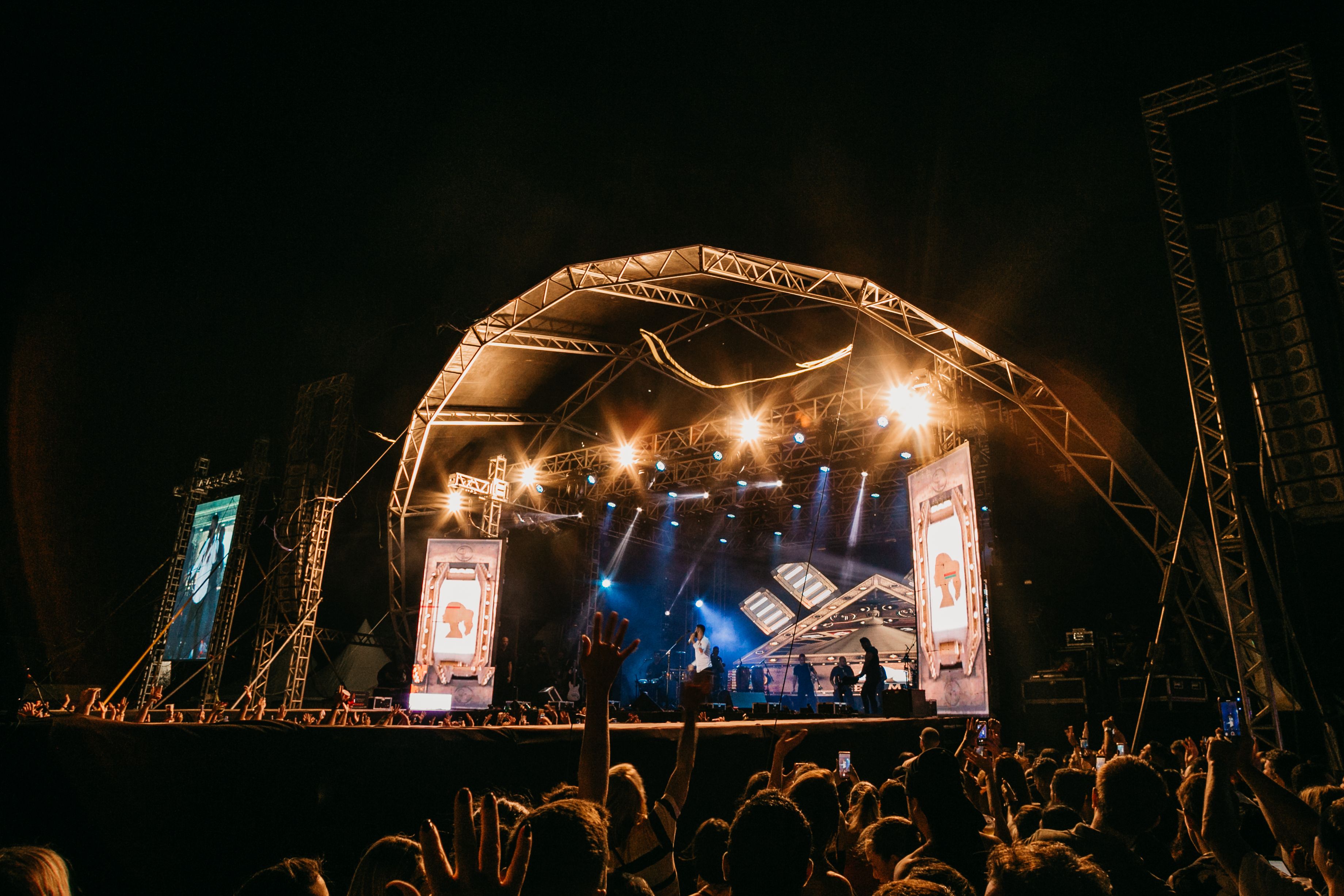
Festival culture has followed a similar trajectory. New festivals launch regularly, and established ones are expanding their lineups and adding multiple stages or genres to attract broader audiences. For performers, this means more booking opportunities, shorter travel distances in some cases, and the chance to reach new audiences. The sheer volume of live events—from major music festivals to smaller regional shows—has created a genuinely robust marketplace for talent.
Building Your Career in the Live-First Era
If you're a working entertainer navigating this landscape, the message is straightforward: live performance is where the industry is investing. That means touring and gigging experience matters more than ever. It's the foundation for building recognition, earning sustainable income, and attracting bigger opportunities.
For performers on Giglive, this environment is opportunity-rich. Booking agents and tour managers are actively seeking talent across all levels—from backing musicians to front-of-house acts. Having a solid online presence, a portfolio of professional video, and clear communication about your availability and rates makes you visible to the people making hiring decisions. The touring market is hungry for professionals who deliver consistent quality and show up ready to work.
The live-first shift in the music industry isn't about nostalgia or pushing back against technology. It's a practical response to economics and human behavior: people will pay money and travel to experience live entertainment, and artists have aligned their careers accordingly. For working musicians and entertainers, that's where the work—and the money—increasingly lives.