Building a Dance Reel That Actually Books You Gigs
Why Your Reel Matters More Than Your Resume
In the dance world, a strong reel isn't optional—it's your primary audition tool. Unlike actors who might land callbacks on headshots alone, dancers are hired almost entirely on what they can physically do. Casting directors, choreographers, and venue producers need to see your movement quality, versatility, and presence in seconds. A well-crafted reel does that. A poorly constructed one, no matter how talented you are, can cost you bookings.
Your reel is also a working document. It lives on your Giglive profile, your website, Instagram, and in emails to agents and choreographers. It's the first impression you make on people who might hire you for commercial work, music videos, theater productions, corporate events, or festival performances. The stakes are real, and the investment in getting it right pays dividends across your entire career.
What Casting Directors Actually Watch For
The opening three seconds of your reel are critical. Casting directors are often juggling dozens of submissions. If those first few frames don't grab them—whether through your presence, a standout move, or immediate visual clarity—they may not watch further. Start with something that showcases your strongest asset: a signature style, a killer turn sequence, a moment that defines your unique energy.
Beyond the hook, focus on:
- Clean, well-lit footage. Poor lighting and shaky camerawork make even excellent dancing look unprofessional. You don't need a Hollywood budget, but you do need adequate lighting and a stable camera (phone tripod or professional help).
- Variety within your lane. If you're a hip-hop dancer, show different styles within that world—freestyle, choreographed pieces, your freestyle personality. If you do contemporary, show both your technical precision and your interpretive ability. Versatility is marketable.
- Context that matters. Include footage from actual gigs, performances, and rehearsals alongside polished pieces. This tells the story that you're a working professional, not just someone who took one good class.
- Your face and upper body. Casting directors need to see your expressions and personality, especially for commercial or corporate work. Close-ups matter.
Technical Reel Building: Length, Pacing, and Music
Keep your main reel between 60 and 90 seconds. Yes, that's tight. But it respects the viewer's time and forces you to be intentional about every clip. If you have extensive credits in multiple styles—say, both commercial dance and contemporary theater—consider maintaining two specialized reels: one for commercial gigs, one for artistic/theatrical work.
Pacing is everything. Clip lengths should vary. Mix longer sequences (10-15 seconds) that show full choreography or phrases with shorter cuts (3-5 seconds) that highlight specific moments. This rhythm keeps the reel engaging and prevents it from feeling like a monotonous loop of dance combinations.
Choose music carefully. Your reel music should complement your dancing without overwhelming it. Upbeat, current tracks work well for commercial and hip-hop reels. Contemporary or artistic reels often benefit from more nuanced soundscapes. Avoid overly popular songs that feel clichéd—if fifty other dancers used that same track, yours blends in.
Filming and Editing: DIY vs. Professional
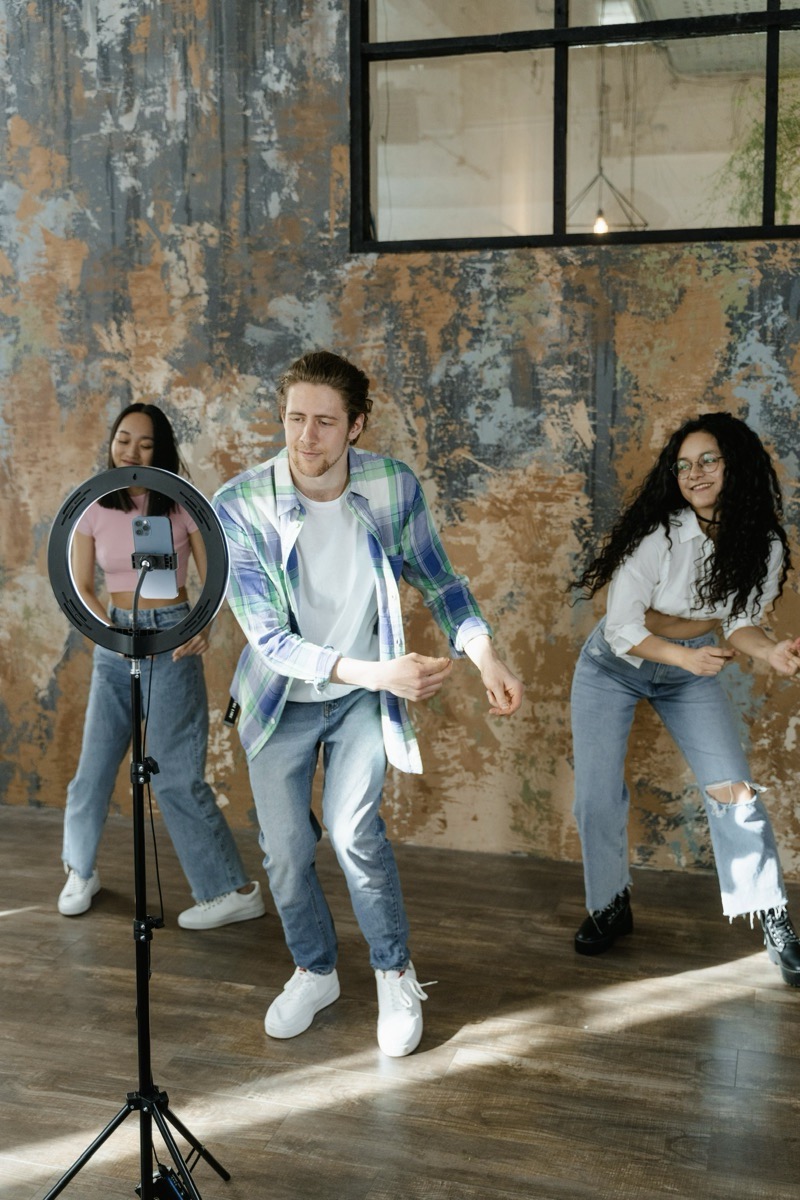
You don't need a production company to film a solid reel. A decent smartphone camera, natural or well-positioned lighting, and a tripod or a friend holding steady footage can produce professional-looking results. Film in high resolution (4K if possible) so you have flexibility in editing and cropping.
For editing, user-friendly software like Adobe Premiere Rush, Final Cut Pro, or even iMovie works. The goal is clean transitions, proper color grading, and synchronized pacing. If editing isn't your strength, consider trading services with a filmmaker friend or investing in a student editor—it's often cheaper than you'd expect.
Include text overlays sparingly: your name at the top and, optionally, the names or styles of specific choreographers or pieces if they're well-known or add credibility. Avoid gimmicky effects that distract from the dancing itself.
Distribution and Updates
Your reel is a living document. Update it at least annually, swapping out older footage for recent work. After you land a notable gig, book a shoot to capture new material that reflects your current skill level and the types of work you want to book going forward.
Make sure your reel is easily accessible: embedded on your Giglive profile, linked in your Instagram bio, and available as a downloadable file or private YouTube link for submissions. Different people prefer different formats, so offer options.
Finally, ask for feedback. Share your reel with a choreographer or director you trust. Casting professionals are generous about constructive criticism because they want to see you succeed. That outside perspective often reveals blind spots in pacing, music choice, or clip selection that you've become too close to see.
Your reel is an investment in your career. Treat it that way.