The Reel Trap: Why Your Best Dancing Doesn't Make It Online
The Reel Problem Nobody Talks About
If you're a working dancer in 2024, you've probably spent more time editing 15-second clips than rehearsing. Instagram Reels, Tiktok, YouTube Shorts — the logic is sound: post where the industry scouts, right? Except the industry isn't really scouting there. Not in the way that matters.
Here's the actual problem: the platforms that dancers use to build visibility are algorithmically engineered to reward a very specific thing — novelty, speed, trend-chasing, maximum shareability — while the people actually hiring dancers (casting directors, choreographers, production companies, venue owners) are looking for something entirely different. They want to see musicality, control, spatial awareness, how you work in ensemble, your actual range. They want proof you can take direction and execute it under pressure. A 30-second trend dance doesn't show any of that.
The result? Dancers are spending hours crafting content optimized for algorithmic promotion while their actual audition materials — the footage that would genuinely get them hired — languishes unwatched on private links or, worse, doesn't exist at all.
Why Casting Actually Works (And It's Not Reels)
Talk to any working dancer about how they actually got their last three gigs. The answer is almost never "someone saw my Reel." It's usually: a choreographer they've worked with before, a referral from another dancer, someone who saw them perform live, or — increasingly — a professional reel that was specifically crafted for that submission or showed them in a professional context (music video, stage performance, choreographed piece).
This matters because the platforms optimizing for shares and followers are the opposite of the networks where real booking decisions happen. A casting director for a music video isn't scrolling through Reels at 2 a.m. They're looking at submissions from agents or choreographers, or they're watching professionally-produced audition footage. A theater choreographer doesn't discover dancers on TikTok trends; they watch recorded performances or work with dancers they've vetted through their own network.
The gap is especially wide in commercial dance— music videos, live performances, theme parks, cruise ships, touring productions. These are high-stakes environments where casting directors need proof of technical skill, professionalism, and the ability to nail choreography in one or two takes. A Reel that trends because it's fun doesn't prove any of that.
The Time Cost Nobody Measures
Here's where it gets really brutal: the hours dancers spend on content creation are finite. You get the same 24 hours as everyone else. If you're spending three hours editing Reels and shooting TikToks, you're not spending those three hours rehearsing, taking classes, or building the actual technical skills that casting directors care about.
There's also a psychological toll. The Reel algorithm teaches you to chase trends and watch engagement metrics like they're your actual value. But a piece of choreography that goes viral is not the same as being a stronger dancer. A trending audio is not the same as improved musicality. After a while, the feedback loop inverts — dancers start making creative choices based on what the algorithm has taught them will perform, not what actually develops them as artists.
Meanwhile, the professional reels that actually move careers — a clean 60-90 second showcase of your best movement, shot in decent lighting, maybe set to a song you love — take a fraction of that time. A choreographer can film you in a studio for an afternoon and have material that works for years. One good recorded performance can get circulated through industry networks far more effectively than dozens of trending Reels.
What Actually Gets You Hired
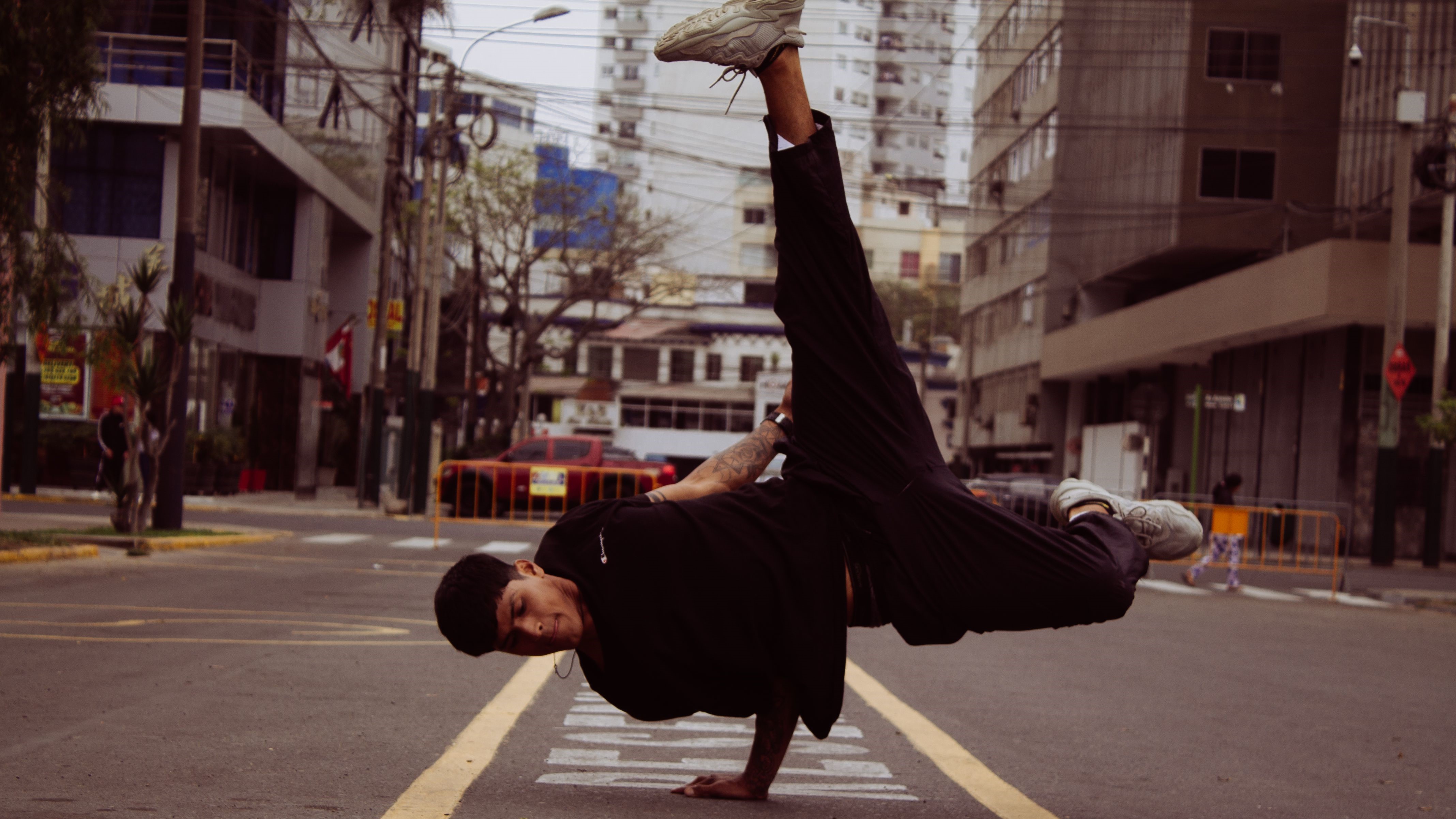
If you're trying to book gigs, here's what matters: a clean, well-shot video of you dancing something genuinely difficult in your style. Not a trend. Not what's hot on the algorithm this week. Your actual range. A music video reel, a recorded performance, a choreographed solo that shows control and musicality — something that proves you can execute and that you have something to say as a mover.
Live performance still matters more than anything you post online. If you can get in front of choreographers, casting directors, or other working dancers regularly, that network is worth more than 100k followers. Classes, auditions, jam sessions, performances — the unglamorous infrastructure of the dance world — is still where gigs actually come from.
The Reels aren't worthless. They can build a following, and followers can lead to opportunities in performance or teaching. But treating them as your primary casting tool is a misalignment. You're optimizing for the wrong audience.
The Way Forward
The fix doesn't require deleting your accounts. It requires separating platforms by function. Use Reels and TikToks for what they're actually good for: building an audience, having fun, experimenting, staying visible to other dancers and fans. But maintain a separate, professional reel — hosted on Dropbox, Google Drive, or a simple personal site — that shows your actual work. Make that the thing you send to choreographers, the thing you list on your casting profiles, the thing you build over time as you do more professional work.
And most importantly: don't let algorithm optimization become your training regimen. The dancers who book consistently are the ones who've invested in their actual technique and musicality. Everything else is distribution.