The Touring Renaissance: Why Live Music is Booming Again
The Live Music Comeback Nobody Expected to Question
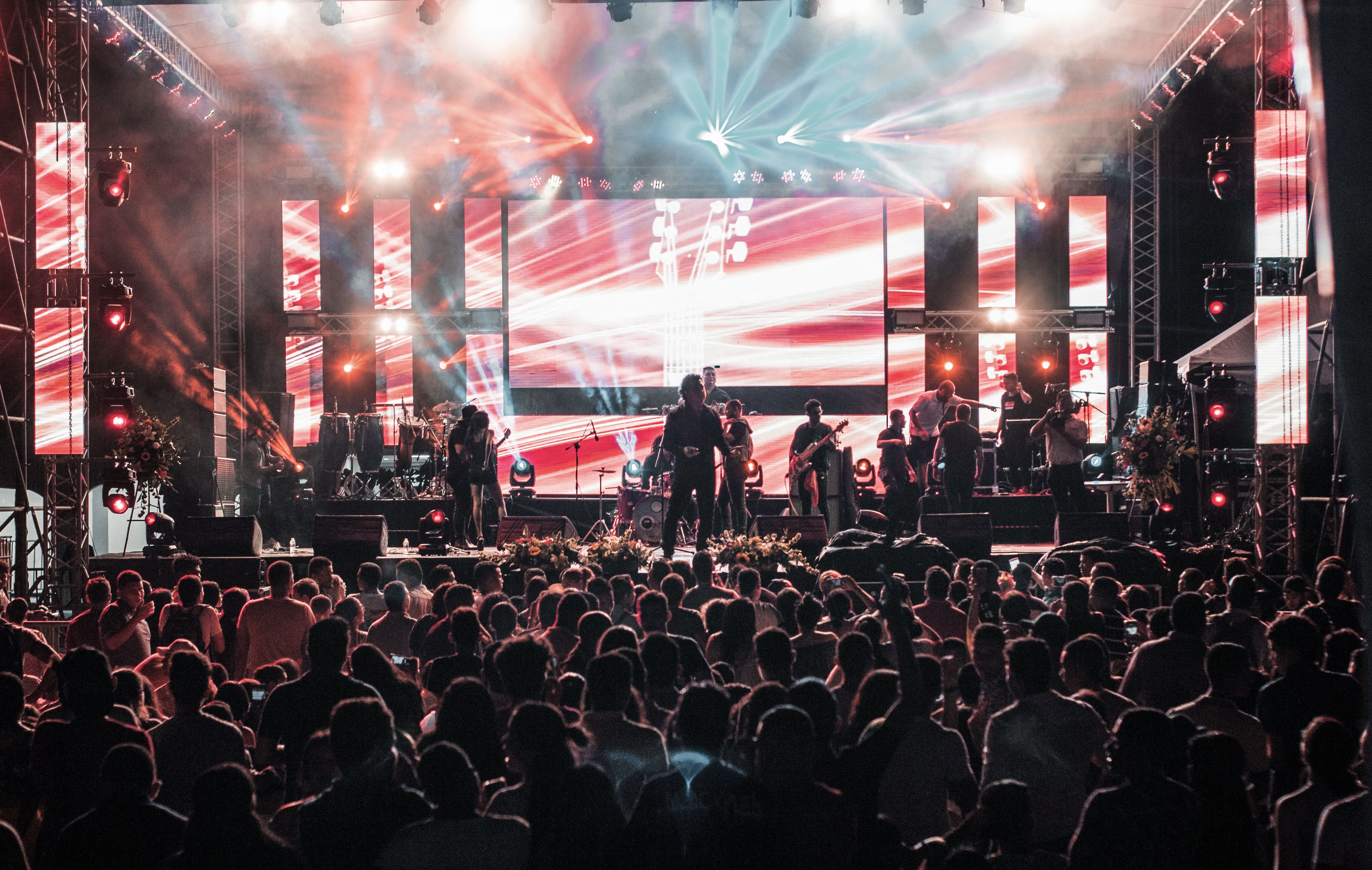
For the better part of a decade, the narrative around the music industry was straightforward: streaming pays the bills, but touring pays the rent. Artists built their careers around the road. But something shifted in the past couple of years. Live music didn't just return—it exploded. Venues are selling out faster. Artists are announcing longer tours. Festival lineups are deeper and more diverse than ever. And the economics are undeniable: touring has become not just the fallback plan, but the main event.
The post-pandemic rebound in live entertainment has been remarkable precisely because it wasn't guaranteed. After lockdowns shuttered venues and cancelled tours worldwide, there was real uncertainty about whether artists and audiences would rebuild that appetite. Instead, what we're seeing is a genuine renaissance—one that's reshaping how entertainers think about their careers and how the industry allocates resources.
Why Live Performance Became the Priority Again
Several converging factors explain this shift. Streaming economics have continued to challenge artists seeking meaningful income from recorded music alone. Meanwhile, fans have developed an appetite for live connection that screen-based content simply can't replicate. There's also the scarcity factor: when touring halted, people remembered what they missed. That hunger is real and sustained.
For working musicians, dancers, comedians, and other performers on platforms like Giglive, this matters enormously. The touring boom isn't just about stadium acts. It's created more opportunities across the entire entertainment ecosystem—from opening slots and festival appearances to regional tours and destination events that might not have been viable before. Venues that closed during lockdowns are reopening and actively booking. Festivals are expanding. Promoters are taking more risks on emerging talent.
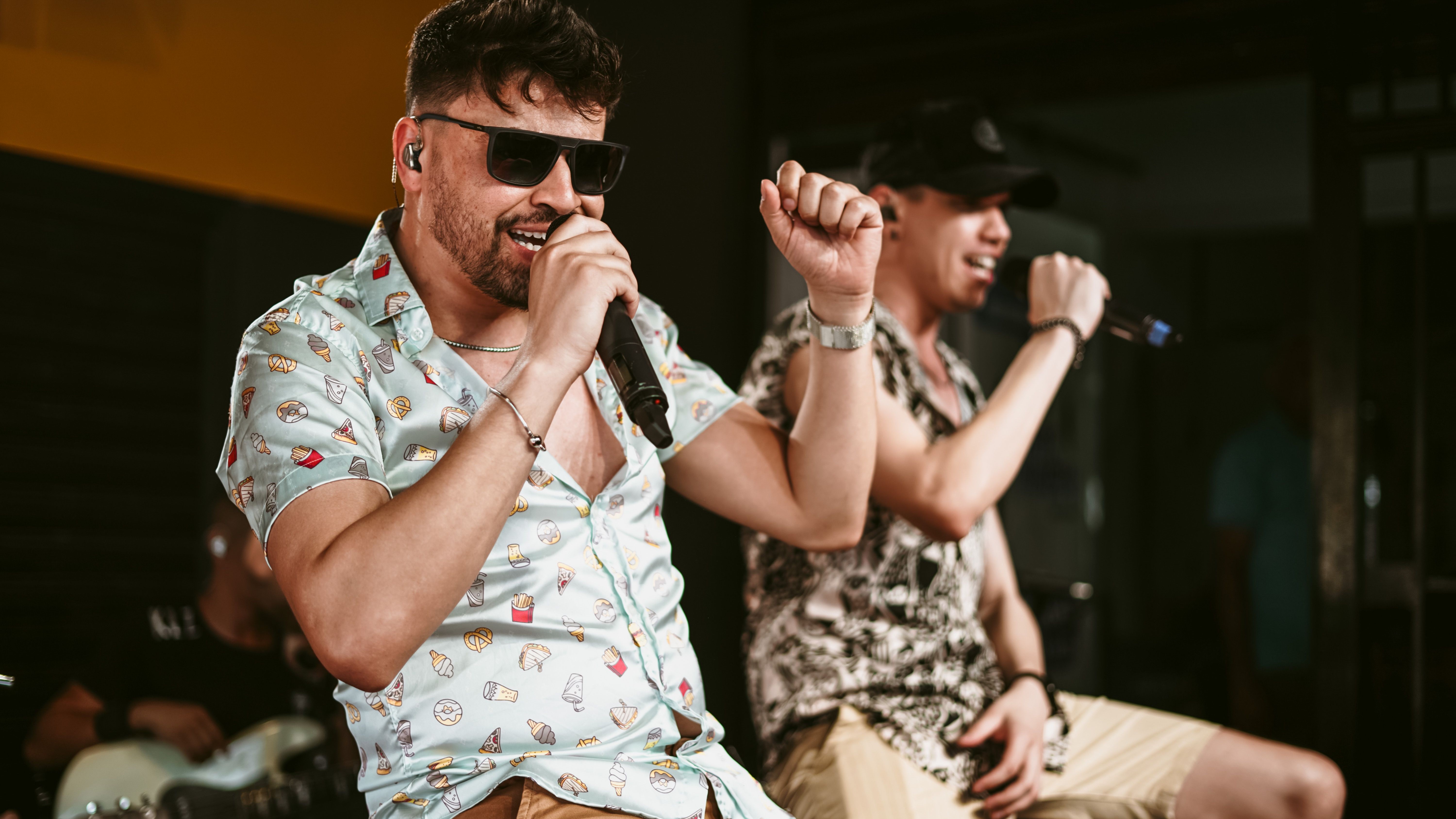
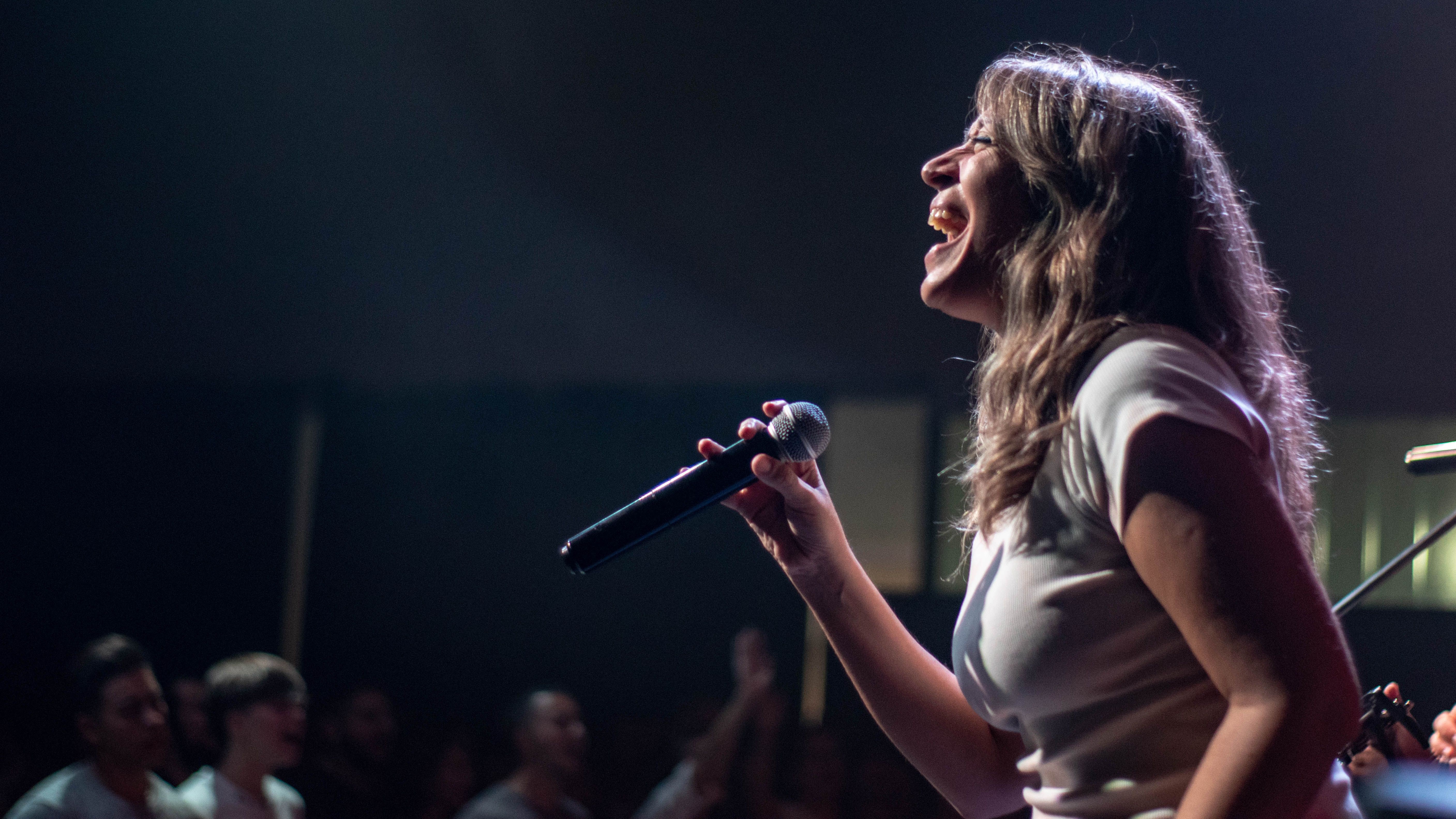
Artists across genres have leaned into this momentum. Whether it's major pop acts announcing stadium runs, hip-hop artists hitting the festival circuit hard, or rock bands planning extended world tours, the investment in live performance is visibly substantial. Even as album cycles continue to matter for artist visibility and cultural conversation, the live event has become the revenue driver and the priority.
The Ripple Effects Across the Entertainment Industry
This touring boom has downstream consequences for everyone in the ecosystem. Sound engineers, lighting designers, tour managers, and production crews are busier than they've been in years. Photographers and videographers find more work documenting live events. Local venues in mid-sized cities that struggled during the pandemic are booking more shows and rebuilding their programming.
For emerging and mid-level entertainers, the expanded touring landscape creates real opportunities. More festivals mean more lineup spots. More tours mean more opening acts needed. More shows means more demand for session musicians, dancers for choreography-heavy performances, and technical support staff. The infrastructure around live entertainment is expanding to meet demand.
Ticket prices have risen accordingly—a reality that cuts both ways. Fans are clearly willing to pay for live experiences, but accessibility questions are real. Artists and promoters are experimenting with tiered pricing, fan club presales, and other mechanisms to balance revenue with access. The conversation around ticket pricing and fair access remains active and contentious, particularly as dynamic pricing and platform fees remain points of friction.
What This Means for Entertainment Professionals
For musicians, DJs, comedians, dancers, and other entertainers building careers right now, the touring renaissance is substantive. The market is rewarding live performance in ways it did before the pandemic—and perhaps more so. Building a sustainable career increasingly means thinking seriously about the road as a core income stream, not a supplement.
Platforms connecting entertainment professionals with gigs and helping artists book talent have become more valuable because the demand is genuine and growing. Whether you're an emerging artist looking for opening slots, an established touring act seeking crew and collaborators, or a venue booking shows, the infrastructure around live entertainment is busier and more active than it's been in years.
Looking Ahead
The touring renaissance isn't guaranteed to continue forever. Economic downturns, venue closures, or shifts in consumer behavior could change the landscape. But right now, live entertainment is thriving in ways that matter concretely for working entertainers. The road is back—and for many, it never really left.