The Tier Trap: How Streaming's Middle Class Collapsed
The Math That Broke
A working musician used to have rungs on a ladder. You'd get college radio play, sell a few thousand CDs, book regional tours, maybe license a song to a TV show. Each rung paid differently, but together they added up to something livable. Streaming flattened that ladder into a single, brutal metric: per-stream payouts measured in fractions of a cent.
The economics are widely known but still stunning to reckon with. Spotify pays roughly $0.003 to $0.005 per stream on average—meaning an artist needs between 200,000 and 300,000 streams just to earn minimum wage for a month. A song that reaches 1 million plays might generate $3,000 to $5,000 in total revenue, split among writers, producers, labels, and the artist themselves. For comparison, a single licensing placement in a mid-tier television show used to clear thousands of dollars upfront. YouTube's payouts are even more irregular—rates can swing wildly depending on viewer location, time of year, and whether an ad even plays.
What's different now isn't the lowness of the per-stream rate alone—it's that streaming has become the only rung that matters, and the middle rungs have collapsed entirely.
Why the Middle Disappeared
Licensing didn't disappear, but it got weird. Sync fees—the money paid when a song is used in film, TV, games, or commercials—have fractured into tiers. A major brand still pays meaningfully. But mid-tier content, especially on YouTube, TikTok, and indie streamers, often uses music under blanket licensing deals that studios negotiate at the top. Individual creators get nothing. An indie film that clears a track today might pay $500 to $5,000, or it might use a royalty-free library instead. The certainty evaporated.
Touring used to bridge the gap. A band could release a record, use it to book clubs and theaters, and make real money on the road even if streaming barely moved the needle. That still happens for established acts. But the touring infrastructure itself has become consolidated—Live Nation and a handful of major promoters control most venues and festival slots. New artists often face a choice: spend weeks on the road earning less per show than they'd make from 100,000 streams, or stay home and chase algorithmic placement, which is free but offers no guarantee of payoff.
What remains is a kind of binary: artists who break through to significant streaming volume, or those who don't. There's less room for the slow build, the regional presence, the craftsperson's living wage.
The Platform Problem They Won't Solve
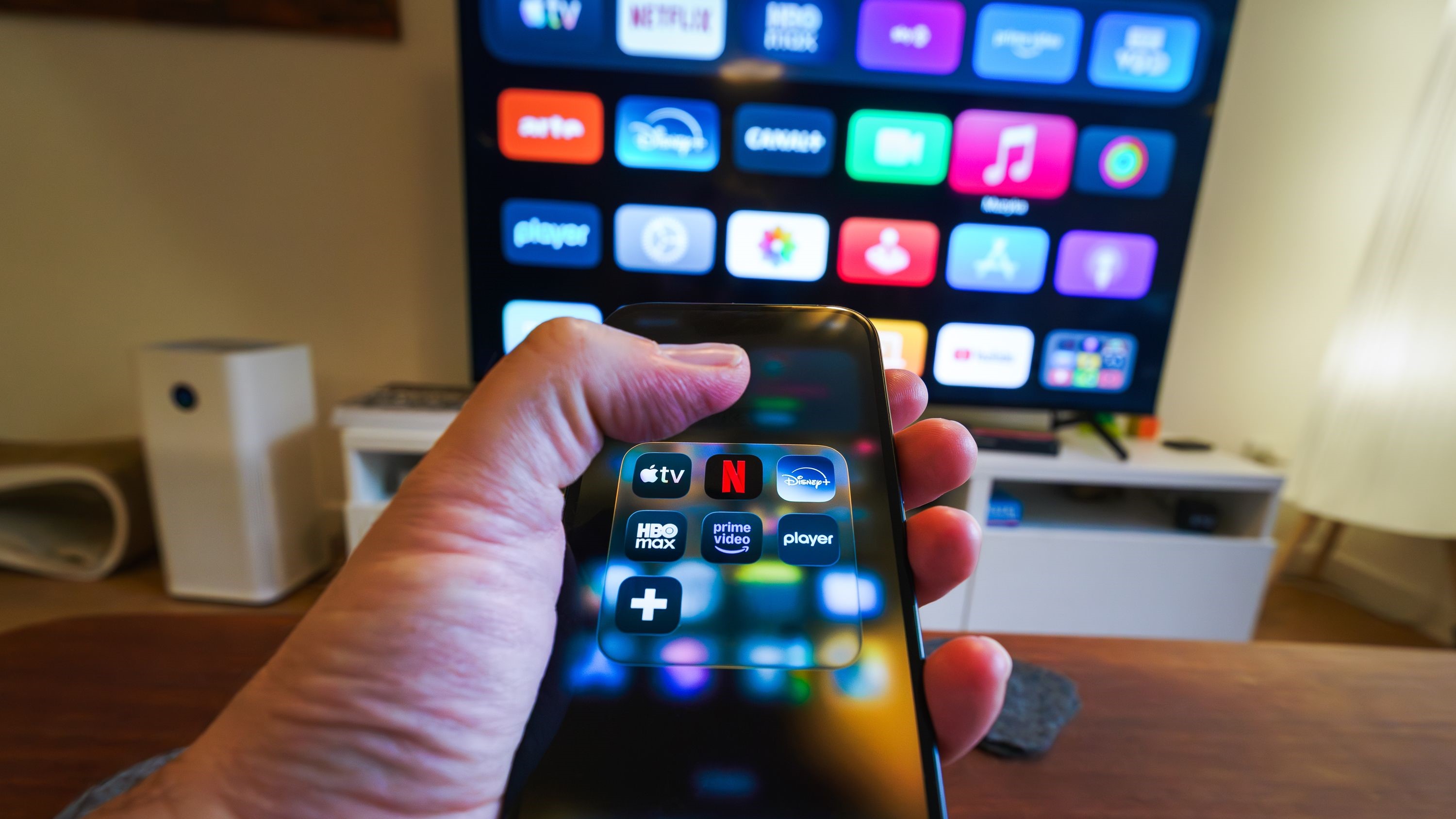
Spotify, Apple Music, and YouTube don't benefit from a healthy middle class of artists. Their incentives push the opposite direction. The platforms need massive catalogs to justify subscription prices and ad inventory—more songs are better, whether those songs generate revenue for their creators or not. They need engagement, which rewards algorithmic hits and algorithmic chasing. They have no structural reason to support mid-career development, regional scenes, or the kind of slow, steady, independent output that used to define working musicians.
There have been adjustments. Spotify raised its minimum payout threshold and pledged better transparency on payouts (these moves came after public pressure, not spontaneously). Apple Music pays slightly higher per-stream rates than Spotify, though margins remain thin. YouTube created Partner Program tiers to incentivize creators to upload more. But none of these changes address the core issue: the ladder is gone, and platforms have no reason to rebuild it.
Where the Work Is Shifting
Smart musicians have started building around this. Direct fan support through Patreon, Discord memberships, and Kickstarter has created small revenue streams that bypass platforms entirely. TikTok and Instagram have become de facto A&R departments—a song doesn't need a label push if it gains organic momentum online. Some artists are returning to vinyl and merchandise as margin-bearing products. Others have double-tracked into production, DJing, or teaching, treating streaming as the business card rather than the business.
The problem is these aren't scalable to everyone, and they require things streaming promised to replace: hustle, audience-building, and overhead. You can't make a living on 10,000 TikTok followers and hope. You need either enough followers to convert to spending fans, or enough diverse revenue streams to average out. The middle path—respectable local presence, steady regional touring, solid licensing flow, modest streaming income—has compressed nearly to nothing.
What Has to Change
The per-stream rate won't go up significantly without disrupting platform economics entirely. But the real failure is structural: streaming was supposed to democratize music distribution and remove gatekeepers. Instead, it created new ones. The platforms aren't incentivized to solve this because consolidation and scale serve them. The question facing the industry now is whether to accept that streaming is infrastructure (like radio was) rather than a primary revenue source, or whether artists and smaller labels will finally build alternatives that prioritize sustainability over reach.
Until then, the middle rung stays empty, and the ladder stays broken.