The Heckler's New Power: Why Comics Are Losing Control of the Room
The Heckler Was Always There
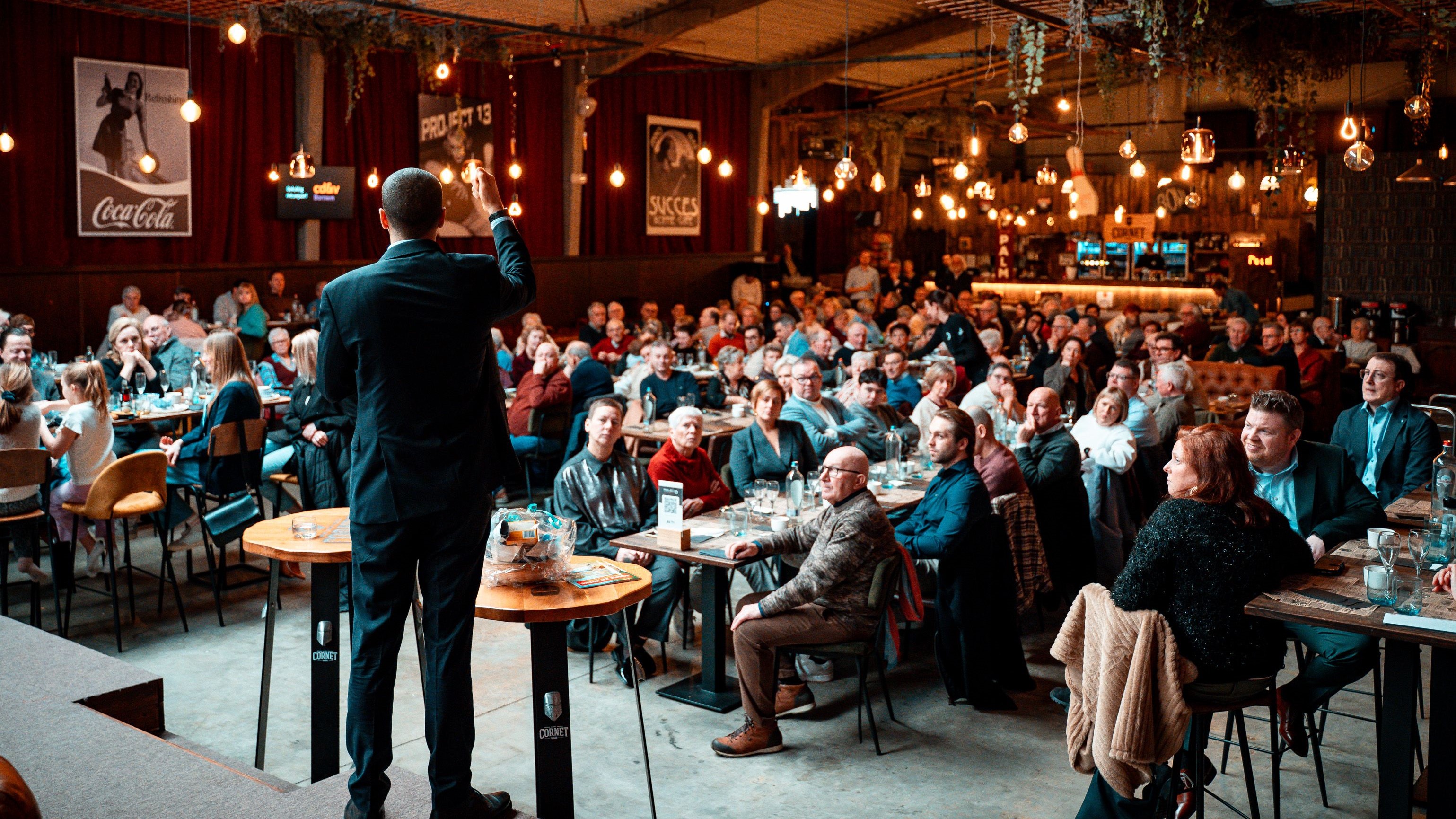
Heckling is as old as stand-up itself. Every working comic has a story: the drunk in the third row, the couple mid-conversation, the guy who thinks he's funnier than the person on stage. The traditional response is locked in muscle memory—a quick comeback, a redirect, sometimes a ejection. The audience watches a small battle play out in real time. The comic usually wins. Life goes on.
But the heckler's calculus has changed. A decade ago, a bad night with a mouthy audience member stayed in that room. Now it lives on TikTok, Twitter, and YouTube within minutes. And the framing is up for grabs.
When the Heckle Becomes the Content
In 2023, comedian Dave Chappelle was interrupted mid-set at the Hollywood Bowl. The moment was filmed, clipped, and circulated across platforms. The narrative split instantly: some saw a comic defending his right to perform; others saw aggressive audience reaction to controversial material. Both versions existed simultaneously, reshaping how people understood what actually happened.
This isn't incidental. For younger comedians especially, the heckler interaction has become a minefield where the stakes are reputation, not just a five-minute derailment. A witty putdown that lands in the room can read as cruel online. A comic who shuts down a heckler firmly can be accused of bullying. Meanwhile, a heckler who interrupts can become a hero to people who never heard the full set—they only saw the clip.
The result: comedians are self-editing in real time, aware that every response might be the one that defines them. Some are leaning into it, intentionally creating interaction moments that play well as content. Others are backing away from the adversarial stance entirely, choosing de-escalation over comeuppance.
The Crowd Knows They're Being Watched
Here's what's really changed: audiences aren't passive anymore. They're not just attending a show—they're potentially broadcasting it. And hecklers, whether consciously or not, are performing for an audience of millions, not the 200 people in the room.
Some venues have started enforcing phone policies more strictly, but most haven't. The dynamic is broken. A heckler gets removed, films it, and posts it with a caption about artistic censorship. A comic responds harshly, and suddenly they're being discourse'd on Reddit. Everyone's aware they might be the subject of a viral moment, and that awareness changes behavior.
Comics who came up in the pre-social media era had a luxury: they could bomb, they could bomb hard, and nobody outside that room would ever know. They could experiment, fail, and learn without a permanent record. Heckler management was a craft you developed over years in clubs. Now it's a minefield where a single exchange can define a career trajectory.
Some Comics Are Fighting Back—Differently
Not everyone is playing defensive. Some comedians are reclaiming control by being explicit about it. Maria Bamford, for instance, has built sections of her material around audience interaction and vulnerability in a way that's preemptive—she controls the terms of engagement before hecklers can set them. Others, like Hannah Gadsby, have used their platforms to address the dynamic directly, speaking to audiences about the contract between performer and crowd.
A growing number of comics are doing what they arguably should have been doing all along: reminding audiences that this is not a conversation. It's a performance. Some are asking venues to establish clearer norms. Others are walking away from rooms where they can't control the environment—which, ironically, means losing gigs to people who will accept the chaos.
The Real Question: Who Gets to Define the Moment?
The deeper issue isn't about managing hecklers—it's about who controls the narrative. When a heckler's moment can instantly become the story instead of the comic's set, power has shifted in ways that feel fundamentally unfair to people who've spent years building craft. A stranger's 15-second outburst can overshadow an hour of writing and work.
Smart comedians are adapting by understanding that the room is no longer closed. They're either building sets that account for the social-media audience (which is a different kind of performance), setting harder boundaries upfront, or choosing venues and audiences more carefully. The best move, perhaps, is simply honesty: acknowledge that phones are in the room, that clips will circulate, and that the old rules don't apply anymore. Then decide how to work within that reality instead of against it.