The Heckler Industrial Complex
When Heckling Became a Skill
There's a moment in every comedian's career when they realize the real battle isn't with their material—it's with the audience member who's decided they're part of the show. But something has shifted in recent years. The heckler is no longer just a drunk at a two-drink minimum or a person having a bad night. In certain corners of the comedy ecosystem, heckling has evolved into something more organized, more strategic, and far more disruptive: a deliberate performance practice with its own unwritten rules, insider terminology, and economic incentives.
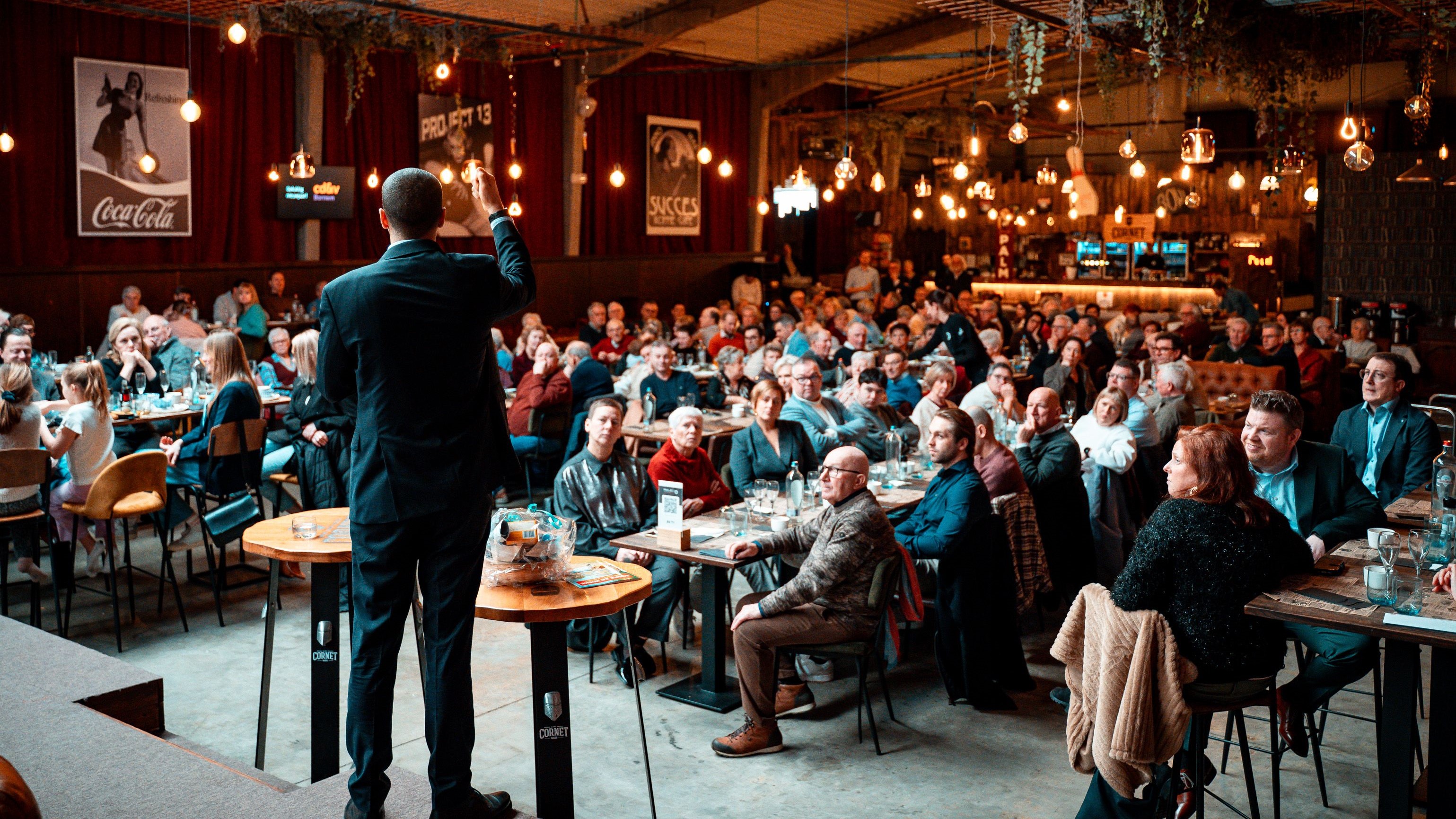
Walk into the right clubs and open mics in major cities, and you'll notice patterns. The same faces showing up night after night, not to perform, but to participate—to test comedians, to derail sets, to create what they see as authentic comedy moments. Some are aspiring comedians building a reputation for wit and quick thinking. Others are comedy fans who've essentially turned professional heckling into a form of entertainment and social currency. A smaller, stranger subset appear to be doing it for attention, clout, or the simple pleasure of being remembered.
The question isn't whether heckling is part of comedy—it always has been. The question is whether the incentive structure around modern comedy has accidentally created a new economy where disruption itself has value.
The YouTube-ification of Comebacks
The heckler industrial complex didn't start in a vacuum. It emerged in a media landscape obsessed with conflict, quick cuts, and viral moments. The most-watched comedy content on YouTube and TikTok isn't always polished sets—it's videos titled "Comedian Destroys Heckler" or "Best Comebacks to Rude Audience Members." These clips get millions of views. Comics who are known for devastating heckler responses build brand recognition and following. Some have built entire streaming careers around highlight reels of their best insults.
This creates a bizarre incentive loop. A heckler knows that if they're witty or obnoxious enough, they might end up in that viral clip. They become part of the story. And for comedians, having a good heckler moment means content—it means something to share, to build a reel with, to prove you're quick on your feet. The heckler becomes a kind of unpaid collaborator in the comedians's content strategy.
The problem is that this dynamic changes the nature of live comedy itself. It privileges certain skills (quick insults, crowd work, improvisation) over others (narrative, timing, structure). It also creates an arms race: as hecklers get more sophisticated and rehearsed, comics need sharper comebacks, which means they're spending mental energy on a dynamic that isn't really part of their prepared material.
The Unwritten Code Breaking Down
There's been an informal contract in stand-up for decades: you leave the comedian alone, and if you can't, you get destroyed. Most audiences understand this. Most hecklers, even drunk ones, back down once a comic addresses them directly. But as heckling has become more performative and incentivized, that social contract is degrading.
Some of the most disruptive heckling now comes from people who don't expect or want to "lose" in the traditional sense. They want to be seen participating, being clever, pushing back. Some are testing boundaries intentionally—seeing how far they can go before a comic breaks character or a venue steps in. Others seem to view comedy shows as improv spaces where everyone's invited to play, regardless of whether that's actually the case.
Club owners and comedy promoters are caught in the middle. A good heckler moment can fill seats the next night—word of mouth travels fast in comedy communities. But genuine disruption drives away regular audiences and makes comics reluctant to play certain venues. Some clubs have started enforcing stricter heckler policies, but policing comedy feels counterintuitive in an art form built on pushing boundaries.
What Comedians Are Actually Doing About It
The smarter comics aren't trying to eliminate heckling—they're managing it as a variable in their performance. Some are building heckler management into their sets deliberately, creating space for audience interaction that they can control. Others are getting better at the dark art of reading a room: knowing which hecklers can be engaged and which need to be shut down immediately.
But there's also a growing frustration among comics who feel like they're being asked to do two jobs: perform their material and participate in an unscripted, increasingly sophisticated improv battle. That's especially true for comedians who don't do much crowd work or who perform more character-driven, narrative-heavy material that doesn't lend itself to quick-fire comebacks.
The real cost might be to comedy itself. When performers have to account for a new variable—strategic, semi-professional heckling—it changes what they're willing to try, what risks they take, and what material makes it to the stage. It's not censorship, exactly. It's just another invisible hand shaping the art form.
The Future of the Heckler
As long as there's attention and status to be gained from being a memorable heckler, the incentives won't disappear. The comedy world will likely continue to stratify: bigger rooms with security and stricter policies, smaller rooms where heckling is part of the expected dynamic, and open mics where anything goes and all bets are off.
But comedy at its best requires a kind of trust between performer and audience. Not agreement, not silence, but a shared understanding of what the space is for. The heckler industrial complex is testing whether that trust can survive an era where every moment is potential content, and every audience member is a potential collaborator or saboteur.