
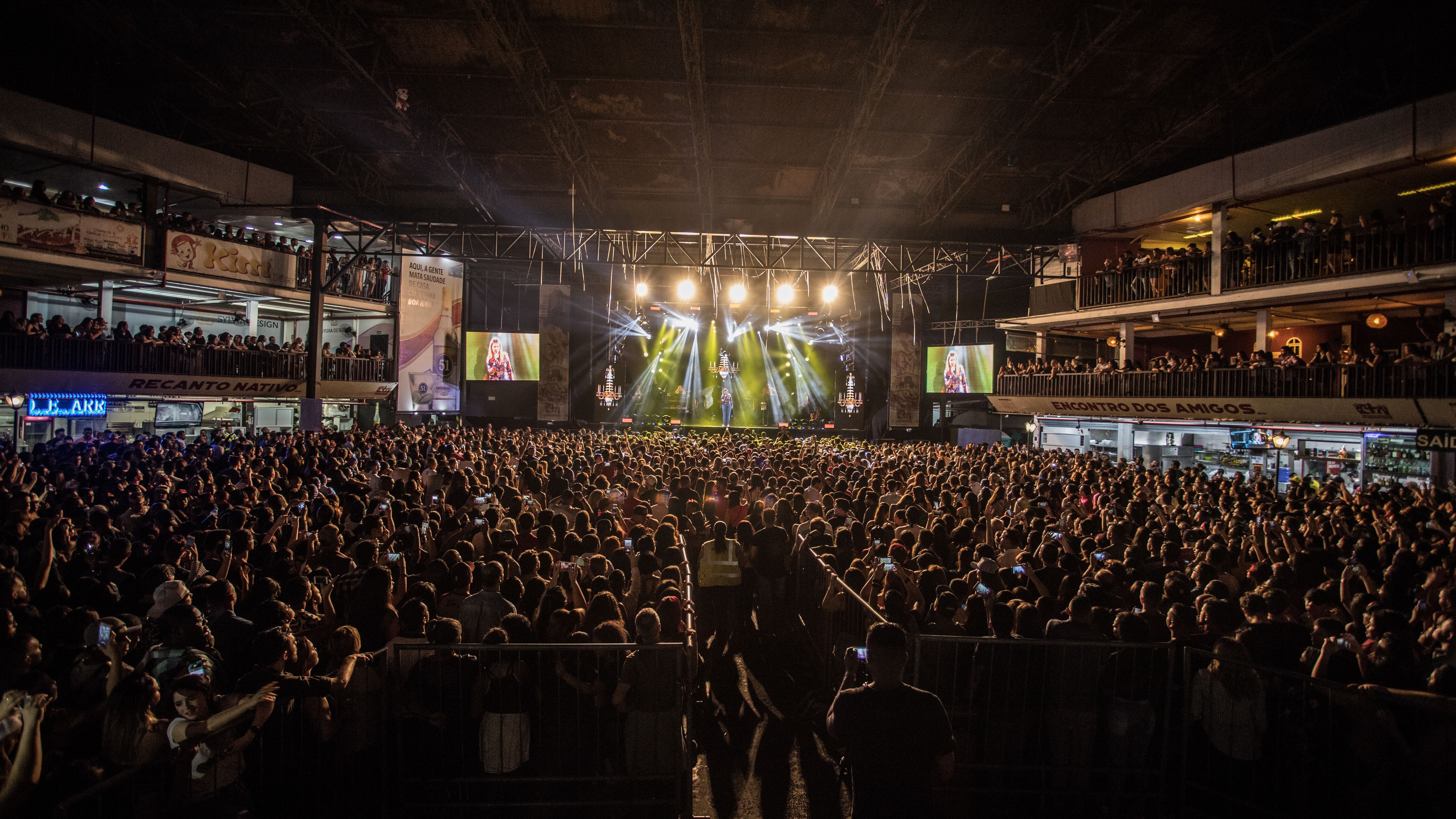
The Venue Ownership Crisis: Why Promoters Are Buying Buildings
The Math That Broke
For decades, the live entertainment business ran on a simple formula: a promoter or venue operator leased a building, booked acts, sold tickets, and paid the landlord. The landlord held the asset; the promoter held the risk. That arrangement is quietly collapsing.
Across major and mid-tier markets, venue operators and promoters are purchasing buildings outright—or fighting for the capital to do so. It's a seismic shift in how live entertainment gets funded and controlled, and it's happening precisely because the old model no longer works. Rents on commercial real estate have climbed faster than ticket prices can follow. A landlord with a desirable space in Brooklyn, Nashville, Austin, or downtown LA knows exactly what that real estate is worth to a promoter, and they're pricing accordingly. The squeeze has become existential.
The numbers tell the story. A mid-sized venue in a gentrifying neighborhood might have paid $3,000–$5,000 monthly rent a decade ago. Today, that same space commands $15,000–$30,000 or more, depending on location. Meanwhile, the capacity and ticket price ceiling of that venue hasn't fundamentally changed. A 500-capacity room can only charge so much per head. The gap between what landlords demand and what promoters can sustainably pay has grown too wide to bridge with the old lease model.
When Ownership Becomes Survival
Enter the venue owner-operator as real estate investor. A handful of major players—Live Nation has its own venue portfolio; regional promoters in markets like Austin, Denver, and Portland have begun acquiring properties—are essentially deciding that owning the building is cheaper than renting it. More surprisingly, smaller independent promoters and venue operators are making the same calculus, either by pooling capital, seeking investment partners, or taking on debt.
The logic is straightforward: if you own the building, you control the rent (or eliminate it entirely). You can refinance. You can develop the property over time—adding bars, merch stands, or adjacent spaces. You're no longer at the mercy of a landlord's lease renewal or a sudden price jump. For venues that have operated the same space for 10–20 years, purchasing it often costs less over time than continuing to pay rising rents.
But there's a second, darker reason promoters are buying: **scarcity**. Good venues in good neighborhoods are vanishing. New construction favors residential and retail; landlords have no incentive to keep a building zoned for nightlife when they could convert it to condos or offices. If you want to guarantee you have a place to operate in five years, you may need to own it.
The New Friction Points
Ownership solves the rent problem. It creates others.
First: capital. Buying a building requires financing, equity, or both. That's a barrier that locks out smaller independent promoters and operators who have managed for years on thin margins and handshake deals. Consolidation accelerates. The venues that survive will increasingly be owned by entities with access to investment capital—which often means larger companies, institutional investors, or regional chains.
Second: operational complexity. When you own the building, you're responsible for maintenance, property taxes, insurance, and compliance. A venue operator who was once focused purely on booking and promotion now has to manage a capital asset. That's a different skill set, and it's expensive to get wrong.
Third: neighborhood relations and land use. An owned venue is a permanent fixture. That means permanent neighbors, permanent scrutiny, and permanent regulatory exposure. Noise complaints, late-night foot traffic, parking issues—all of it becomes your problem for keeps. Some communities are hostile to live entertainment; if you own the venue, you can't simply relocate when the lease ends.
What This Means for the Industry
The shift toward venue ownership is already reshaping how entertainment gets booked and experienced. Promoters who own their spaces can make longer-term bets on artists and genres. They can experiment with programming without worrying about whether a bad month will sink them. That's potentially good for artists, especially those outside the mainstream touring circuit.
But it's also consolidating power. Regional live-entertainment ecosystems that once supported dozens of independent venue operators are increasingly run by a smaller number of ownership entities—some local, some national. That can mean fewer curators, fewer perspectives, and fewer opportunities for new voices to book a room.
For musicians, comedians, dancers, and other performers, the end result is mixed. Owned venues may offer better stability, longer booking windows, and more consistent production quality. But they're also more likely to be run as portfolio plays by investors with less passion for the specific scene. The room might be nicer. The landlord-promoter tension might disappear. But the rebellious, scrappy energy that defined independent venues? That's harder to manufacture once the owner has a mortgage.