The Silent Session: Why Studios Are Ditching Headphones
The Headphone Stranglehold
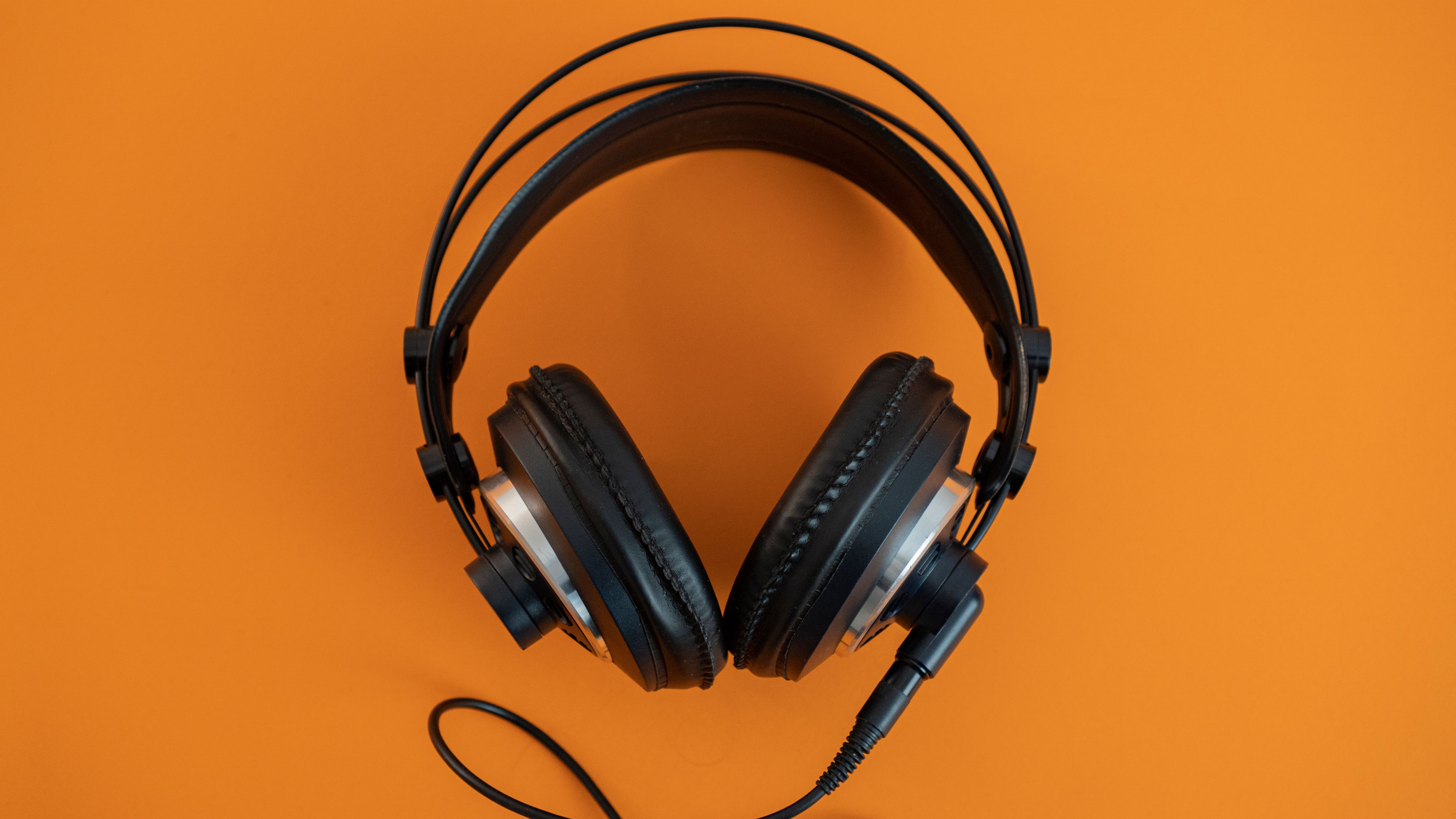
For decades, the headphone has been the studio's second religion. Close your eyes, slip on the cans, and you're supposed to be alone with the music—isolated, focused, free from the world's acoustic mess. It's how we've trained ourselves to work: mixing on headphones, recording vocals through headphones, artists performing to a click in headphones.
But a growing number of producers, engineers, and studio owners are asking a heretical question: What if we've been hearing it wrong the whole time?
The shift isn't ideological. It's practical. Engineers working across genres—from hip-hop to classical, pop to experimental—are rebuilding their workflows around better room acoustics, smaller high-quality monitors, and strategic use of headphones as a check rather than a primary workspace. The argument is simple: your ears evolved in three-dimensional space, not in a sealed rubber cup pressed against your head.
What Headphones Hide (and Exaggerate)
Here's what happens when you mix primarily on headphones: you lose the room. You can't hear the phase relationships that define how a vocal sits in a mix. You can't feel bass the way a human body experiences it—as low-frequency energy that moves through space, not just vibrates your eardrums. Your stereo field gets artificially widened because your ears are receiving left and right channels inches apart instead of feet apart. Headphone mixes often translate terribly to car speakers, earbuds, and club systems because you've optimized for an acoustic environment that no one else will actually experience.
For artists, the problem compounds. Tracking drums, guitar, or vocals in headphones changes how a performer naturally sings or plays. You lock into a tempo differently when you hear it in your head versus feeling it in a room. Singers often push harder or softer than they would if they could hear themselves naturally. The energy that comes from performing in acoustic space—even a small amount of it—creates performances that feel alive. Headphone performances often feel isolated, safe, and small.
Some of this has been understood for years. The best studios have always kept a pair of good monitors running during sessions. But what's changed is the accessibility of good nearfield monitoring, better room treatment, and the willingness to rebuild workflows entirely around a non-headphone-first approach.
The Practical Rebuild
Studios making this shift aren't abandoning headphones entirely. They're repositioning them as verification tools—quick checks against what the room is telling you, ways to catch technical issues or hear detail when you need to isolate. But the primary work happens on monitors.
This requires investment. A decent pair of nearfield monitors costs real money. So does acoustic treatment. But studios report that once they've made the transition, their mixes translate better, artists prefer working in the space, and production moves faster because there's less back-and-forth in the revision phase.
The workflow typically looks like this: track and guide in the room with light monitoring; rough mix on monitors to make real-time mixing decisions; check on headphones to verify detail and technical cleanliness; final reference on multiple systems (car, cheap earbuds, phone speaker) to catch translation issues. Headphones become a microscope, not the whole picture.
Where Headphones Still Rule
This doesn't mean headphones are going away. Remote collaboration and out-of-studio work have made cans essential in ways they weren't before. A producer working with artists across time zones needs headphones. A bedroom producer without the budget or space for monitors depends on them. Mastering engineers often use headphones as a critical reference point. Live sound engineers rely on in-ear monitors—a close cousin to studio headphones—to run shows.
The real shift is about prioritization and intentionality. Use headphones when they make sense. Build your primary workflow around something better when you can.
The Listening Test
Some of the most successful studios and producers today are ones that moved early on acoustic space—places known for mixes that sound clean across systems, artists who choose to work there because the vibe and the sound translate. That's not accident. It's workflow design.
The question for any engineer or studio owner is worth asking: How much of my work am I optimizing for headphones? And what would change if I stopped?