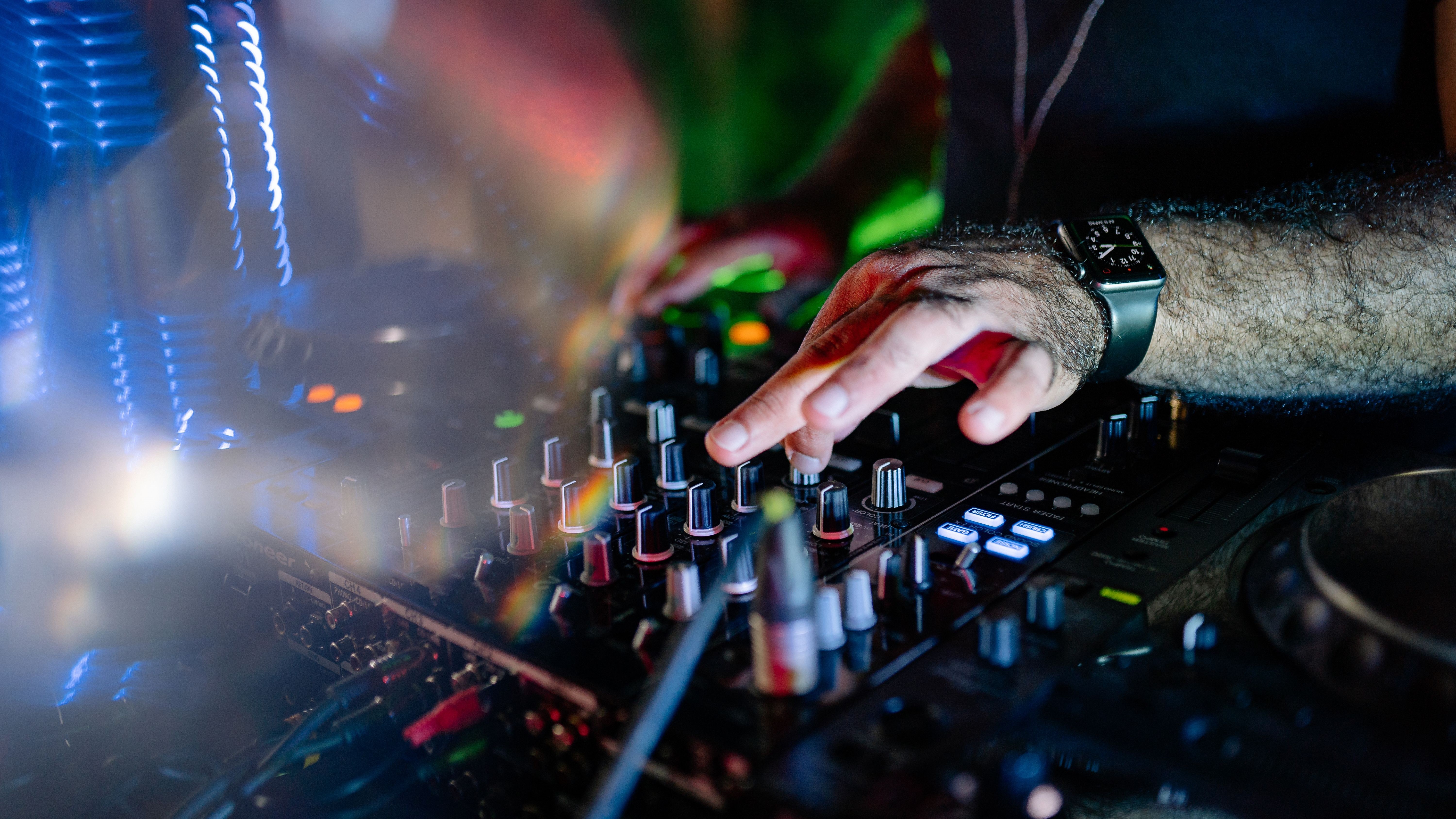
The Monitor Mix Collapse: Why Live Sound Is Losing Its Backbone
The Job That Used to Matter
Twenty years ago, a monitor engineer was a distinct role—often the highest-paid person on the live sound crew besides the FOH mixer. They sat at their own console, sometimes stage left, sometimes in a booth, running a completely separate mix that only the performers heard. Their job was singular and crucial: make sure the band could hear themselves well enough to not fall apart.
That role is now functionally extinct at most venues under 2,000 capacity. What replaced it is a patchwork of half-solutions: a single tech running both FOH and monitors from the same board, sometimes remotely via an iPad; wireless in-ear systems that artists are expected to manage themselves; or nothing at all—just hoping the artist brought their own gear.
The collapse happened quietly, driven by venue economics and artist expectations that moved faster than the infrastructure could adapt. And it's created a situation where live performances are becoming technically riskier even as they're supposed to look more polished.
Why Budgets Ate the Monitor Mix
The squeeze began during the post-2008 recession and never really stopped. Smaller venues—the lifeblood of touring musicians—started cutting production staff. Why pay a dedicated monitor engineer when you could hire a generalist? Why maintain a separate console when digital mixers let one person handle both? The math looked good on a spreadsheet.
Then came wireless in-ear systems that became cheaper and more reliable. Shure, Sennheiser, and others democratized the technology. Suddenly, an artist could buy their own pack for a few thousand dollars instead of requiring the venue to provide it. Problem solved, from the venue's perspective. Artists bought in because it meant consistency from room to room—the same gear, the same feel, the same mix they'd dialed in themselves.
Except it's not solved. What it actually did was transfer the entire burden of getting a monitor mix right from a trained professional to the performer—usually while they're also trying to perform. A drummer needs to hear kick and bass tight. A singer needs a click track, their own vocal, and keys. A keyboardist needs the whole band. These aren't luxuries; they're requirements for staying locked in.
When a dedicated monitor engineer did this, it was their sole focus. They could watch the stage, watch the band's body language, adjust in real time. Now? If an artist's wireless pack cuts out mid-song, they're looking at dead air. If the mix they set up in soundcheck doesn't translate to a full room, they find out in front of an audience.
The iPad Fantasy vs. Reality
Remote mixing apps have created an illusion of flexibility. An engineer can now run a Behringer or Soundcraft board from a tablet, sitting anywhere in the venue—theoretically. The reality is messier.
Latency on wireless control can be imperceptible or catastrophic depending on the network. A venue's WiFi isn't typically built for the kind of bandwidth and stability that live audio demands. Bluetooth is worse. So engineers often end up tethered to USB cables or standing close to the board anyway, defeating the point of remote control. Meanwhile, they're juggling two complete mixes—audience and stage—on a single screen with fewer physical faders than either mix actually needs.
It works for a solo acoustic act. It breaks down fast with a full band, especially if something goes wrong and the engineer needs to react instinctively. Instinct comes from muscle memory, and muscle memory comes from having dedicated hardware to know intimately.
What the Artist Carries Now
The gap has been filled, partially, by artists bringing their own tech. A touring band now typically travels with their own wireless IEM packs, sometimes a personal monitor mixer, maybe their own click track system. This has become table stakes for mid-level touring acts—another line item on the budget alongside the van rental.
For producers and engineers working with artists in this space, it means understanding both their backline and their audio workflow. You need to know whether they're running analog or digital, what format their mixes are in, whether they're syncing to a click via a secondary wireless pack or embedding it in a track. It's technical work that used to be invisible to the creative process.
The upside: artists get consistency. The downside: there's no safety net. If something fails, there's no venue tech who knows the system deeply enough to troubleshoot fast.
The Future Isn't Back to Normal
Venues aren't rehiring dedicated monitor engineers. The economics don't work at that scale anymore. What's happening instead is a slow professionalization of the touring infrastructure itself—bands are becoming more self-sufficient, carrying more gear, requiring more technical knowledge from their members.
For the studios and production teams supporting these acts, this means the monitor mix is now a part of pre-production that can't be skipped. Soundcheck has to account for wireless consistency, mix balance, and failover plans. It's more work, not less, just distributed differently.
The old monitor console, with its dedicated engineer watching the stage—that was a solved problem. We traded it for a cheaper, more fragmented one. The live performances haven't necessarily gotten better. They've just gotten riskier, and everyone on stage is now a little more responsible for making sure it works.