The Reel Trap: Why Dancers Can't Stop Auditioning
The New Gatekeeping
Ten years ago, a dancer's audition was simple: show up, warm up, learn combination, dance it for the casting director. Today, before most choreographers or companies will even see you in person, they want a reel. Not just any reel—a curated, edited, well-lit showcase of your best work, usually delivered via Instagram, Vimeo, or a personal website.
For commercial dancers auditioning for music videos, TV, or film, the reel has become non-negotiable. For contemporary and modern dancers seeking company positions or residencies, it's increasingly expected. Even regional theater productions that need strong movers now routinely ask for video submissions first. The result is a double standard that punishes dancers without production connections, technical skills, or the money to pay someone else to film and edit their work.
"I'm auditioning constantly, but half the time I'm not dancing," says one freelance dancer working in Los Angeles, speaking on condition of anonymity. "I'm managing my reel like it's a full-time job. I'm filming myself, I'm hiring cinematographers, I'm learning editing software, I'm posting clips to stay 'current' in algorithmic feeds. By the time I actually get to an in-person audition, I'm exhausted from the other stuff."
The Production Arms Race
The reel expectation has spawned an entire micro-industry. Boutique video production companies now offer "audition reel packages" ranging from a few hundred to several thousand dollars. Choreographers are increasingly hiring videographers for rehearsals and performances specifically to generate content for their dancers' reels. Some dancers are treating TikTok and Instagram like an ongoing audition, posting snippets of choreography regularly to signal they're "active" and "current" to casting directors who might be scrolling.
What started as a useful documentation tool has become a constant production requirement. A dancer can't just learn new choreography and nail it in the room anymore—they need it filmed, color-graded, edited to music, and strategically positioned in a digital portfolio. If you're not documenting your work in real time, with professional quality, you're already behind.
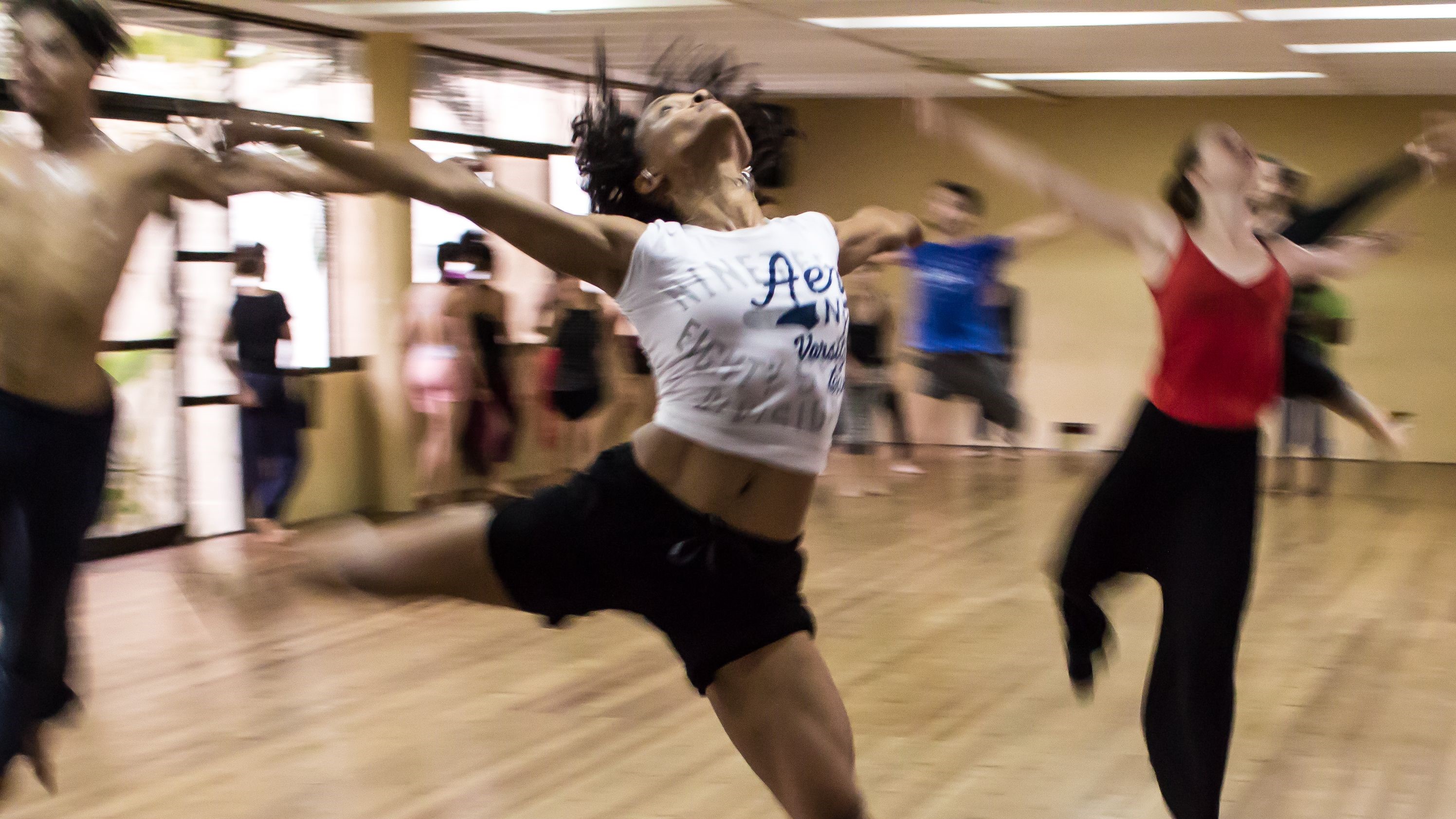
The irony is sharp: dancers are hired for their ability to dance live, in real time, with other humans. Yet the gate to getting hired increasingly requires proving you can also perform for a camera, in post-production, solo, without the energy of a live room. A dancer who's incredible in a studio with twenty other performers might look flat on a reel shot on a phone in a hallway.
Who This Hurts Most
The reel trap disproportionately affects dancers without industry connections or financial cushion. If your parents can't pay for a videographer, if you don't have access to a nice studio space to film in, if you can't afford editing software or need to spend your money on rent and class fees instead of production—you're already at a disadvantage before you even move.
It's also created a strange incentive misalignment. Dancers are incentivized to film and showcase only their strongest pieces, their most flattering angles, their most "castable" work. This can actually suppress artistic risk-taking. Why dance something weird, experimental, or challenging if it might hurt your reel? Why collaborate with an unknown choreographer if there's no professional documentation of the outcome?
Established dancers with strong reels from past work have an advantage. Dancers from well-resourced training programs or companies that routinely document work have an advantage. Dancers who happen to be conventionally attractive or photograph well on camera have an advantage. Dancers who can't afford to treat video production like part of their job are stuck in a disadvantage that has nothing to do with their actual dancing ability.
The Burnout Math
The deeper issue is time and mental load. Dance is physically demanding. Taking class, rehearsing, performing, and auditioning already consumes most working dancers' hours and energy. Adding the expectation of constant content creation, technical production, and digital self-promotion is stretching an already precarious career into something unsustainable.
Some dancers are starting to push back quietly—declining to submit reels, requesting in-person auditions, or choosing to work with companies and choreographers who prioritize live auditions. But as long as reels remain a shorthand for "serious" or "professional," the pressure won't ease.
The question worth asking: What are we actually evaluating when we hire dancers based on a reel? Are we choosing the best dancers, or the best-filmed dancers? Are we selecting for talent and presence, or for production budget and technical savvy? And are we accidentally creating a system where the most talented performers burn out from the overhead of constantly documenting themselves?