The Festival Fatigue Problem: Why Tours Now Compete With Line-Ups
The Festival Machine Hits a Wall
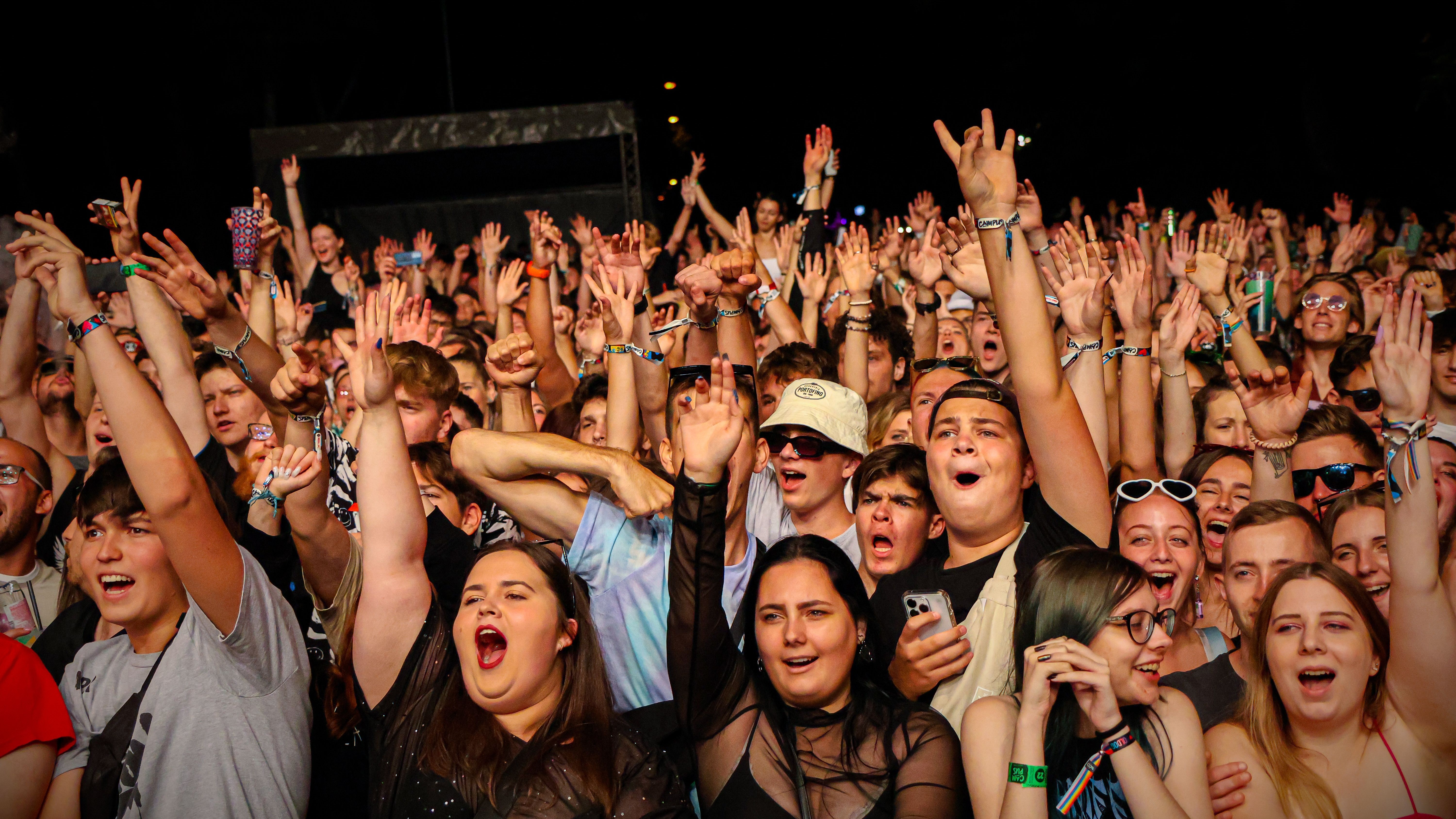
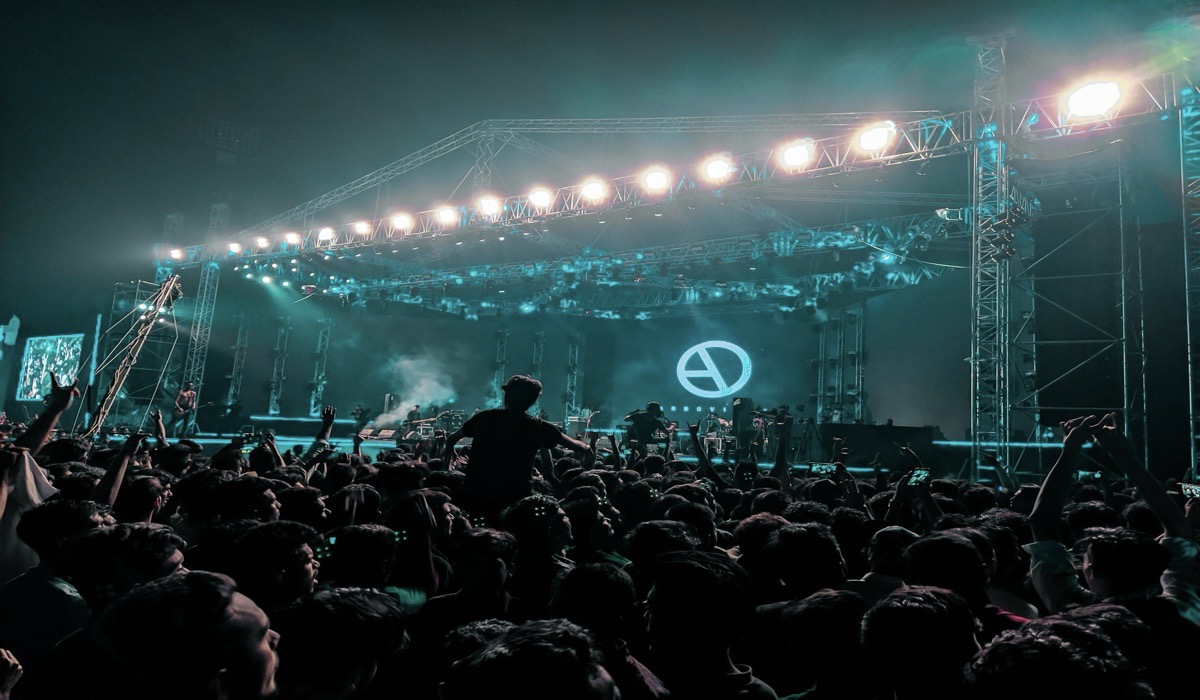
For two decades, music festivals operated like a growth machine. Coachella begat Desert Trip, which begat Lightning in a Bottle and dozens of regional variants. Glastonbury proved the model could transcend genre and geography. By the early 2020s, the festival calendar looked less like a curated event series and more like an exhausting spreadsheet: Bonnaroo, Outside Lands, Governors Ball, Lollapalooza, Pitchfork, Caribou, Afropunk, Governor's Ball, and hundreds of smaller boutique festivals all fighting for the same artist roster and the same finite pool of fans willing to drop $200–$500 per ticket plus travel, lodging, and the unquantifiable cost of FOMO.
Then something unexpected happened: the audience started choosing differently.
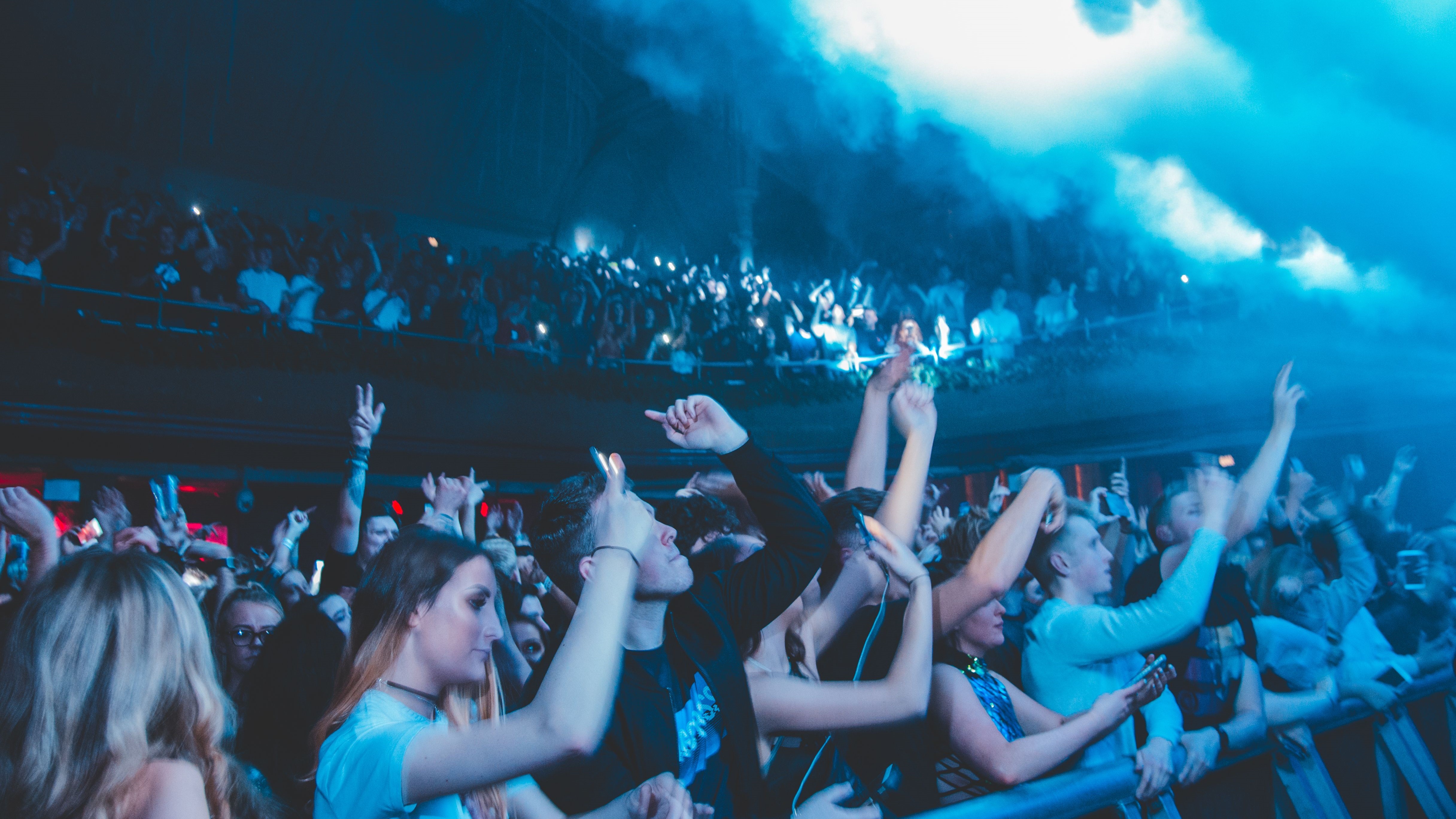
Attendance at major U.S. festivals has begun a quiet decline. Not everywhere, and not uniformly—certain festivals remain unicorns—but the trend is real enough that promoters are reckoning with it. Meanwhile, touring has experienced a Renaissance. Stadium tours are back. Arena acts are adding dates. Even mid-level artists are finding that a regional or national tour can generate better margins and more reliable audience connection than banking on festival visibility.
The Economics of Scarcity and Saturation
To understand what's shifting, you have to understand festival economics. A major music festival is essentially a marketplace. The promoter is buying inventory (artist lineups), warehousing it (for a weekend), and selling it directly to consumers (tickets). The artist gets paid a flat fee or revenue share, and the promoter eats logistics, insurance, talent costs, and overhead. Margins are thin. Ticketing and sponsorships are the only real revenue levers.
Tours work differently. An artist or tour operator books a series of venues, and each venue carries its own margin. Smaller audiences per show, but lower per-show overhead. More dates mean more cumulative revenue. Crucially: a tour is an ongoing relationship between an artist and their fans in specific cities. A festival is a one-time event you attend for the lineup, not the venue or the community.
As festivals have multiplied, the arbitrage advantage has inverted. An artist who might have drawn a premium appearance fee at Coachella in 2015 can now do a 20-city tour and pocket more, with less travel chaos and more opportunity to build deeper fanbases in secondary markets. For fans, the calculation has shifted too: paying $400 to see three bands you want, plus seven you don't, in the desert, now competes directly against buying three or four tickets to shows in your own region where you actually want to hear the headliner.
The Collapse of the Festival as Cultural Necessity
Part of the festival's original appeal was exclusivity and cultural weight. Attending Coachella or Glastonbury was a status marker. The lineup was curated; there were surprises and discoveries; you documented it for social proof. That worked while festival attendance felt like an essential rite of passage.
But when every genre has five competing festivals, when lineups leak months in advance, when every set is streamed on TikTok within hours, the festival stops being an experience and starts being a checkbox. The curatorial magic evaporates. The FOMO recalibrates.
Immersive and experiential events—think Burning Man, Lightning in a Bottle, or genre-specific festivals like Outside Lands—have held up better, precisely because they offer something a tour can't: a community, a cultural context, a ritual. Burning Man isn't about the musicians; it's about being part of a self-contained society. That's a different product.
What's Actually Thriving
Comedy festivals have largely avoided this trap because comedy festivals were never about lineup density in the same way—they're about deep dives into a scene, often over multiple days, with workshops and panels alongside performances. Film festivals have structural advantages: they premiere films, so they're destinations by necessity. Award shows have built-in cultural moments and spectacle that transcends the underlying product.
For music festivals specifically, the winners going forward seem to be those that lean into one of three models: the community experience (Burning Man, regional festivals with loyal bases), the boutique curation (Pitchfork, ATP, curated genre events), or the hybrid tour-festival that functions as a traveling production with a consistent venue and community focus, rather than a one-off destination event.
The touring artist, meanwhile, has never had more leverage. The festival isn't dead, but it's no longer the default distribution model for either artists or audiences. It's one option among many—and that redistribution of attention and revenue is remaking live entertainment from the ground up.