
The Headphone Problem: Why Studio Mixes Don't Translate
The Isolation Trap
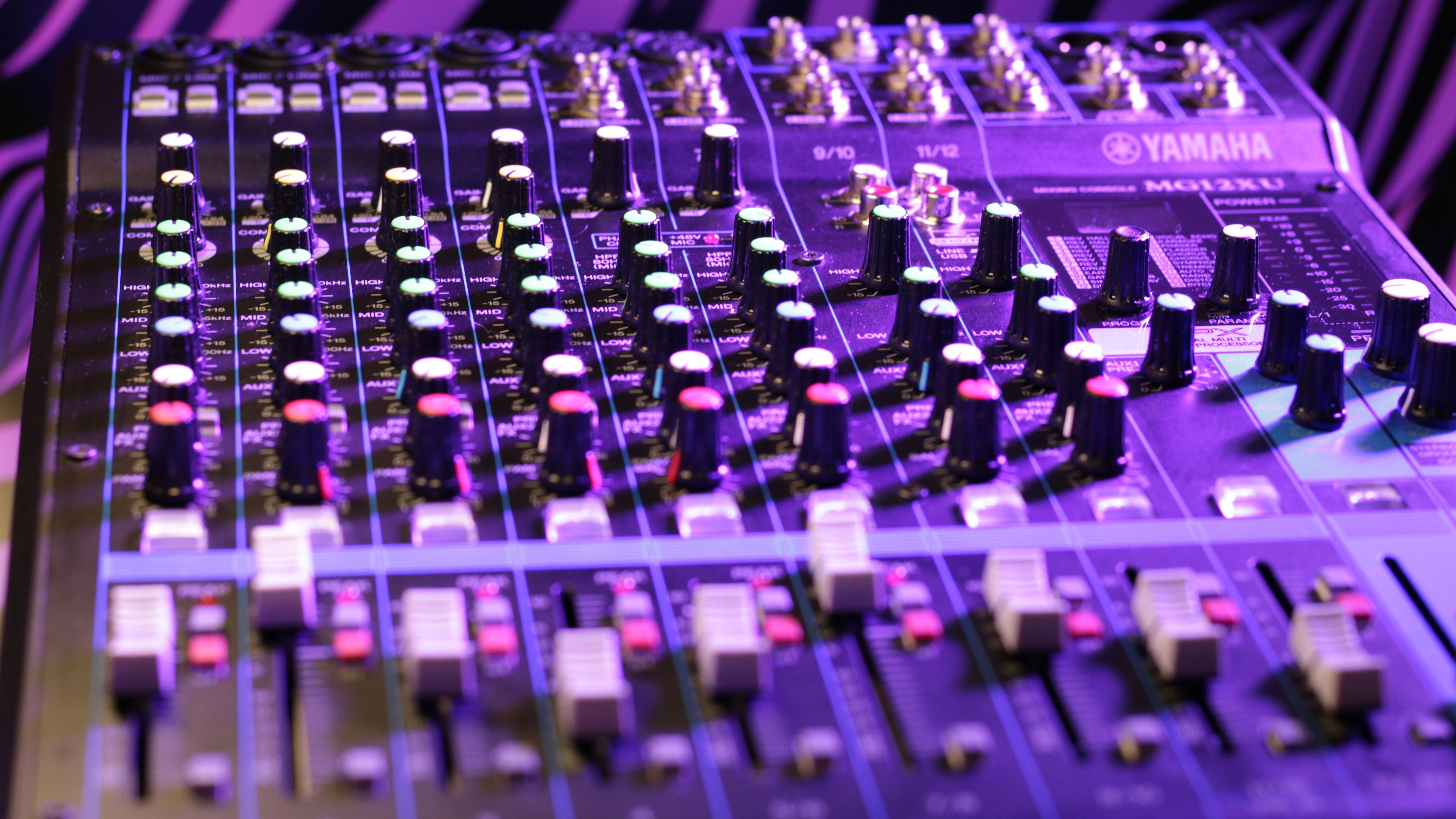
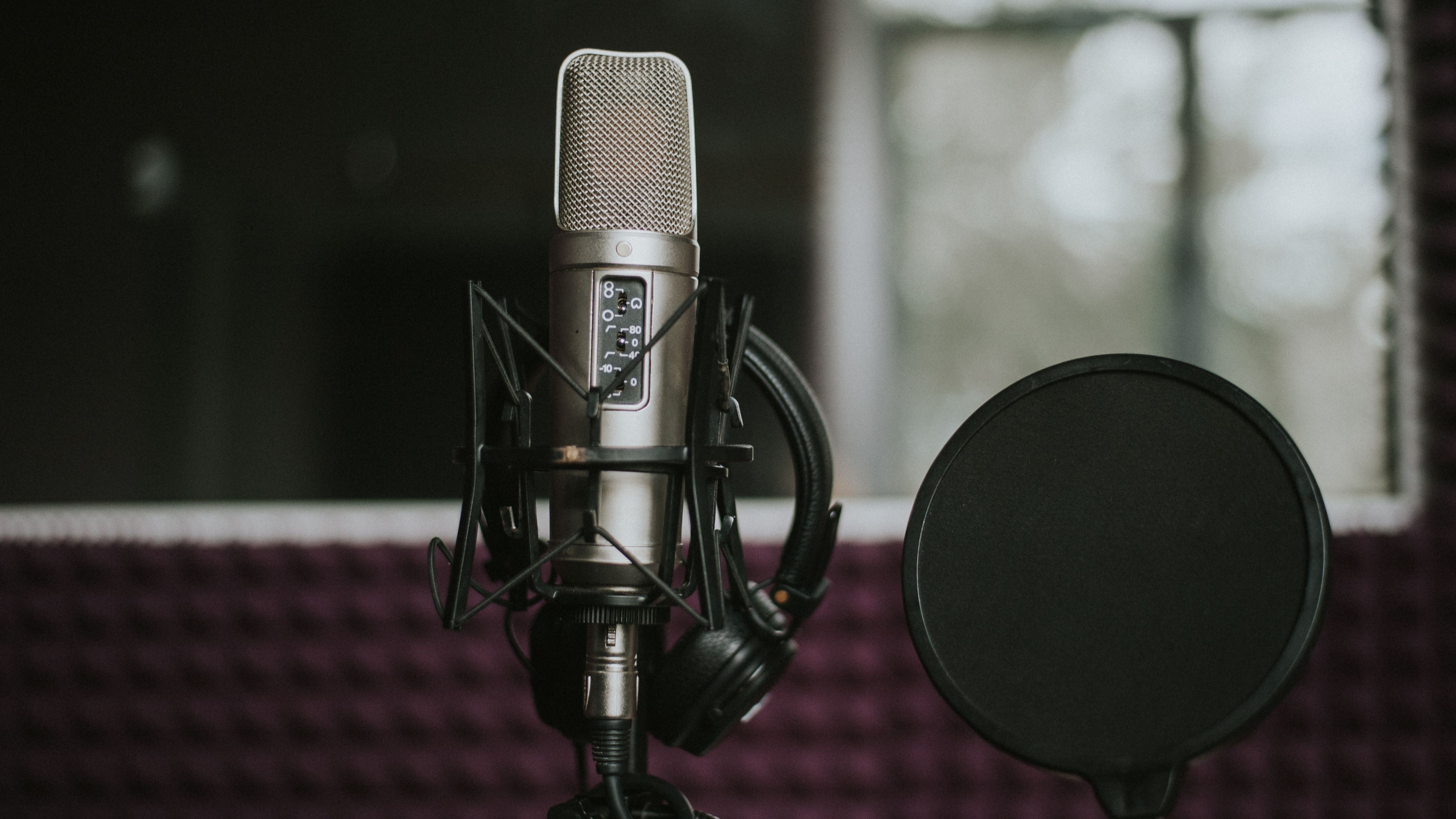
Walk into a modern recording studio or home production setup and you'll see the same thing: a producer or engineer hunched over a mixing console, or hunched over a laptop, with high-end headphones clamped on. Maybe a pair of studio monitors sit nearby, untouched. The headphones are the real workspace now—and that's become a structural problem nobody wants to admit.
The shift happened gradually. Headphone technology got genuinely good. Remote collaboration meant engineers stopped needing to sit in the same room with artists. Home studios killed the economics of room treatment—why pay for acoustic panels when you can buy Neumann NDH 20s? And let's be honest: headphones are more convenient. No neighbors complaining. No room-dependent variables. Just you and the mix.
But here's what's being lost: the relationship between what you hear in isolation and what actually exists in physical space. A mix that sounds pristine on closed-back headphones can hit a car stereo, a club sound system, or a living room speaker and collapse entirely. Bass that seemed perfectly balanced? Suddenly either punchy to the point of distortion or completely missing. Stereo width that felt spacious? Mono-collapsed and claustrophobic on a mono system. Frequency balance that sounded clear? Harsh or dull on speakers that don't have the same frequency response curve as your headphones.
This isn't new as a problem. But it's getting worse, and it's showing up in released music with increasing frequency.
Why This Matters More Now
The issue has teeth because of how music gets consumed. A track might be mixed on headphones by a producer in Brooklyn, sent to a mixer in Los Angeles who checks it on Focal headphones, then mastered by someone in Berlin who uses a different set entirely. Each person thinks the mix sounds good. Then it ships to Spotify, Apple Music, a TikTok video, a film sync, a club DJ's system. The artist and their team never actually heard it in a room.
Meanwhile, the people who do consume music in rooms—DJs playing clubs, live sound engineers running venues, film composers working with directors—are increasingly expected to work with mixes that were never auditioned in actual acoustic space. A DJ gets a track and it sounds thin in the club. A live sound engineer has to EQ a vocal that was mixed so close and intimate it has no presence on a PA system. A film composer delivers a score that sounds beautiful on headphones but gets buried under dialogue because it was never mixed against anything else in real time.
The problem compounds because headphone mixing has become the default assumption in professional workflows. Reference speakers are treated as optional. Room treatment is treated as optional. The idea of actually listening to your mix on multiple systems before it leaves your control feels quaint—like suggesting a mastering engineer should use vinyl as a reference.
The Technical Reality
Headphones—even expensive ones—have fundamental limitations. Closed-back headphones create a sealed acoustic environment that doesn't exist in nature. Your ears are getting sound directly from two drivers with no room interaction, no reflections, no phase relationships with the space around you. That's not how humans normally hear music. Room reflections, wall modes, the physical distance between your ears and the sound source—these things shape how your brain interprets what you're hearing. Headphones bypass all of it.
Some engineers use open-back headphones to get around this, or reference-grade IEMs with flatter response curves. Better than nothing. But you're still getting a version of the mix that no one else will ever hear—because no consumer is listening on the exact same equipment in the exact same isolation chamber.
The other option—actually mixing on monitors in a treated room—requires money, space, and knowledge that many producers and engineers either don't have or don't think is worth the investment. Treating a room properly isn't cheap. Getting monitors that actually tell the truth isn't cheap. And if you're a freelancer working out of a bedroom or a small commercial studio where you don't control the room, you're stuck with what you've got.
What Happens Next
Some studios and producers have started building this back in—requiring a monitor check before a mix leaves the door, or insisting on multiple reference playback systems (car stereos, cheap Bluetooth speakers, actual room speakers) as part of the mixing process. It's catching on in mastering studios and high-end production houses, where quality control is still a competitive advantage.
But for everyone else, the headphone-primary workflow is likely here to stay. It's too convenient, too practical for how the industry actually works now. Which means the real solution lands on the people receiving the mixes: engineers, DJs, sound designers need to build in their own translation step. Check the mix on multiple systems. Don't assume what you're given is what you're going to hear. Treat it like a draft.
The studio is no longer the final arbitrator of what the mix actually sounds like. You are. And that's a much heavier responsibility than it used to be.