The Intimacy Paradox: Why Festivals Are Getting Smaller
The Size Problem Nobody Talks About
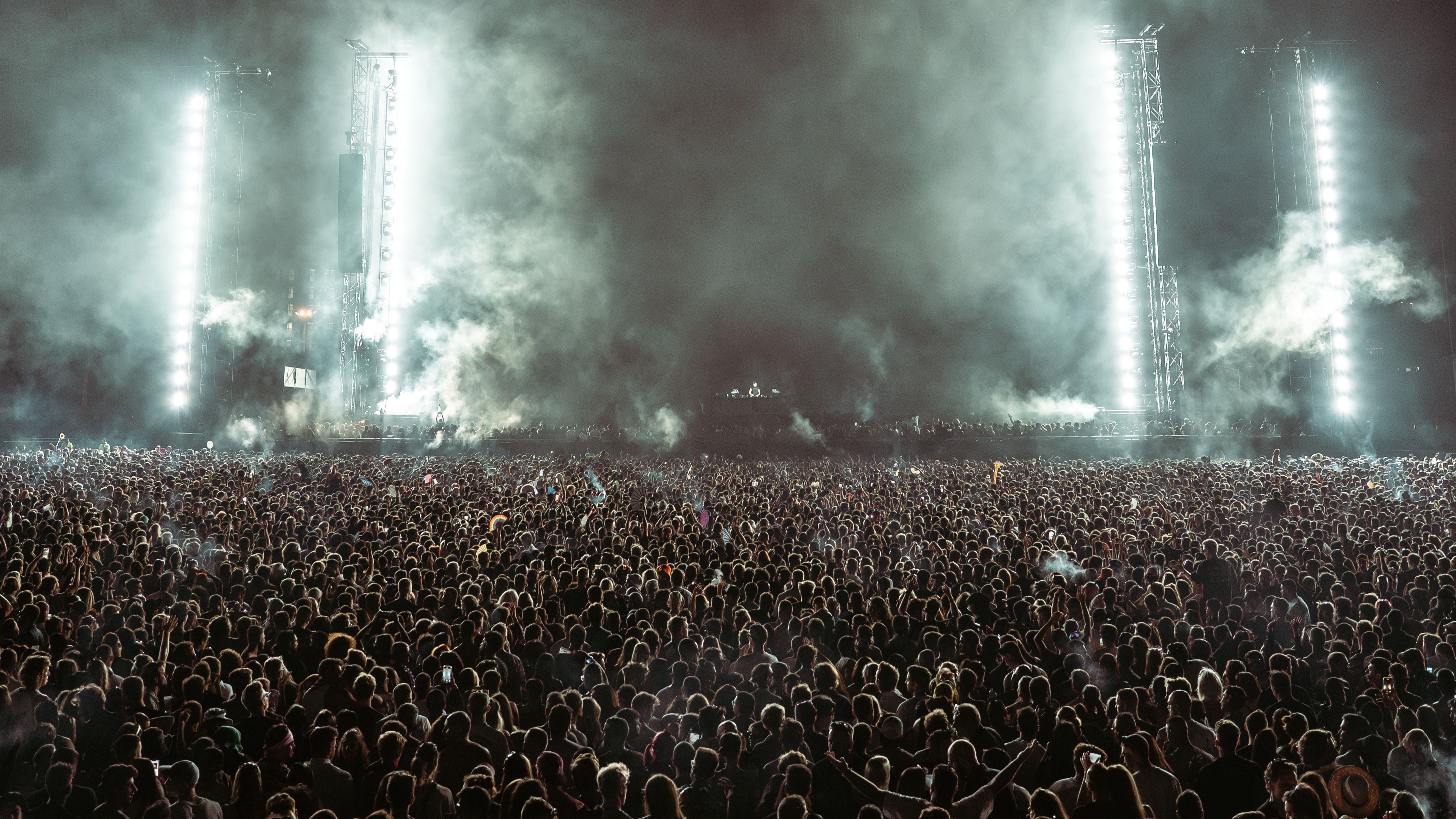
For decades, the festival circuit operated on a simple equation: bigger attendance equals bigger revenue. Coachella's growth trajectory, Glastonbury's expansion into multiple stages, the rise of regional variants of successful franchises—all seemed to confirm that scale was the only direction that mattered. But something shifted. The economics of running a 100,000-person festival have become genuinely punishing. Insurance costs spike exponentially. Infrastructure demands multiply. Artist fees inflate. Crowd management becomes a logistics nightmare that can tank margins before a single ticket sells.
What's emerging instead is a quieter trend: festivals and live events are bifurcating into two very different beasts, and the smaller one is increasingly where the real money and cultural currency live.
When 50,000 Beats 150,000
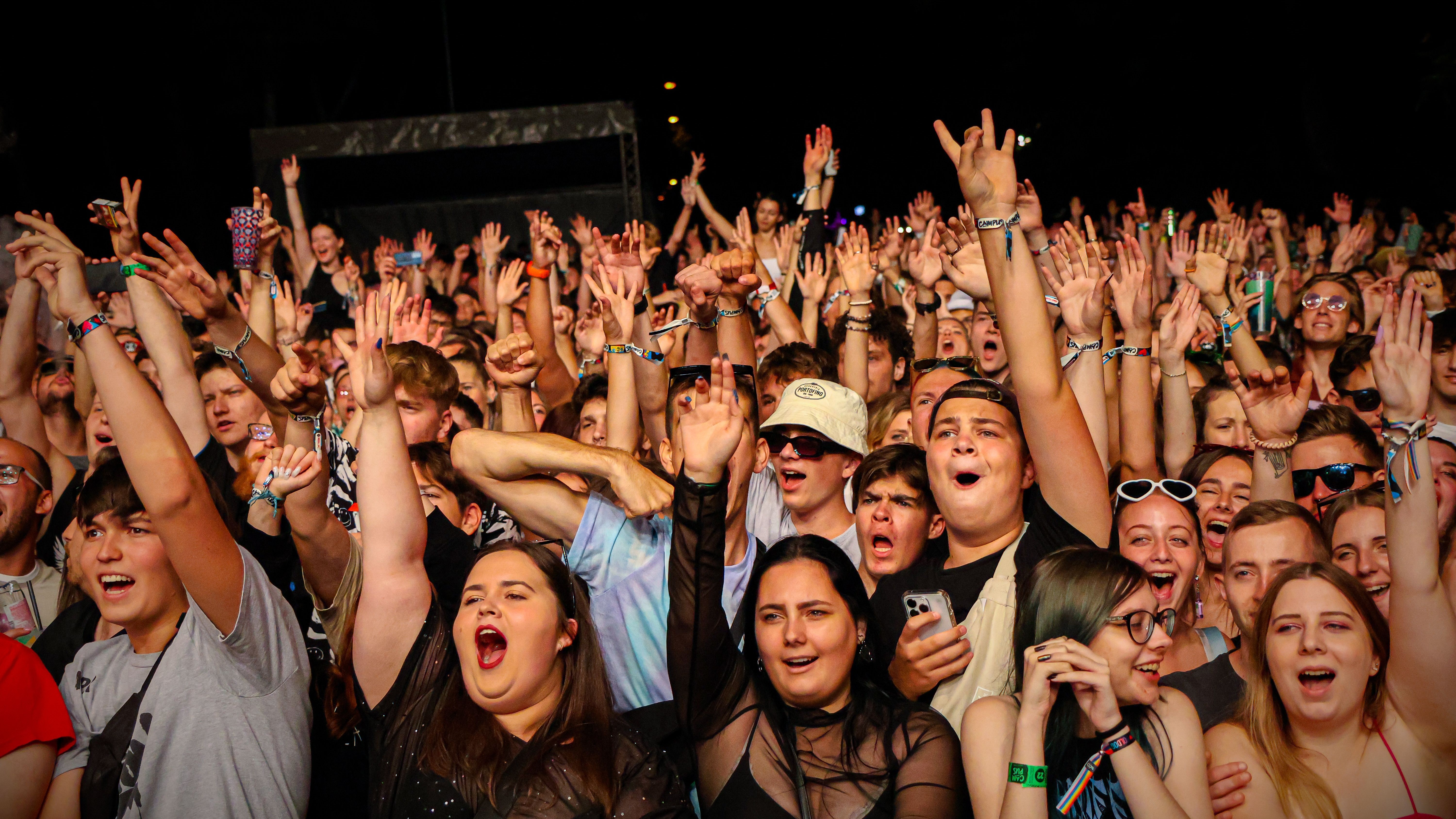
The math is counterintuitive but sound. A carefully curated festival with 40,000 to 50,000 attendees can operate at higher per-capita profitability than a sprawling 150,000-person event. Why? Control. A mid-sized festival can maintain curatorial coherence—the experience feels intentional rather than overwhelming. Bathrooms don't run out. You can actually hear conversations between stages. The crowd skews toward people who specifically wanted to be there, not tourists checking a box.
This isn't new in theory—niche festivals have always existed. But what's changing is that major promoters and venue operators are now intentionally capping growth rather than pursuing it. They've learned that a sold-out 45,000-person event with fervent attendees and manageable logistics generates more word-of-mouth, better social media content, and repeat attendance than a chaotic 120,000-person operation where a third of the crowd is lost in logistical hell.
The boutique-festival movement—Pitchfork, Outside Lands, and the rise of smaller regional alternatives to mega-festivals—proved the model works. But the real inflection point came when major promoters realized they could apply this thinking to their own franchises without cannibalizing the brand.
The Intimacy Premium
There's also a psychological component that's surprisingly lucrative. Audiences increasingly value the story of having been there over simply attending an enormous event. Social proof still matters, but exclusivity—real or perceived—has become its own draw. A festival that feels like a cultural moment rather than a cattle call commands higher ticket prices and fiercer brand loyalty.
This plays directly into how festivals market themselves now. Instead of announcing 150 artists and 12 stages, promoters highlight the experience design: the art installations, the specific neighborhood vibe, the particular era of music or community the festival serves. It's the difference between "World's Largest Music Festival" and "The festival for people who care about X." The second one makes money.
Touring has followed a similar logic. While stadium tours still happen and still make headlines, the economics of mid-scale touring—theater and large-venue circuits—have become surprisingly robust. An artist playing 40 dates to 2,000 people each generates different (often better) margins and audience engagement than a stadium tour with half the dates. The intimacy premium is real.
What This Means for the Industry
The shift has real consequences for talent bookers, promoters, and the entire supply chain. Artists benefit from longer touring windows and more stable pay without having to go mega-viral. Promoters can take creative risks without betting the company on a single massive event. And audiences—well, audiences get a better experience, which in theory should be everyone's goal but rarely is when spreadsheets are involved.
The festival bubble didn't burst so much as it fractured. The mega-festival era isn't dead—Coachella and Glastonbury aren't going anywhere. But the assumption that bigger is always better has finally cracked. What's filling the space are events that are smaller by choice, profitable by design, and culturally coherent in a way that a hundred-thousand-person operation can never quite achieve.
For promoters and artists willing to embrace constraint as a feature rather than a limitation, that's becoming the real festival economy.