The Streaming Wars: How Artists Actually Get Paid
The Streaming Revenue Model
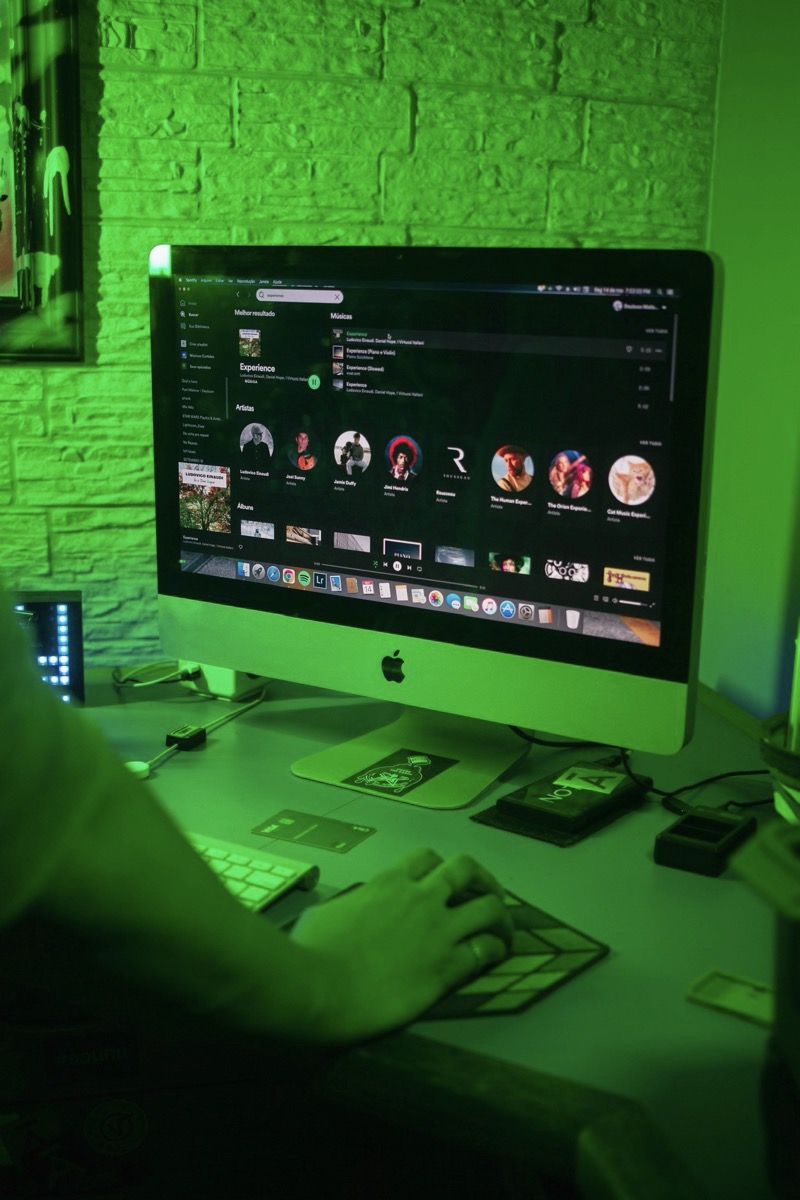
For over a decade now, streaming has been the dominant format for music consumption. Spotify, Apple Music, Amazon Music, and YouTube Music collectively represent the primary way most people listen to recorded music. But how these platforms actually generate and distribute revenue remains opaque to many artists and fans alike.
The basic economics are straightforward: streaming services operate on a subscription model (plus advertising for free tiers), generating billions in annual revenue. That money then flows back into the music industry through licensing agreements with record labels, publishers, and rights holders. The challenge lies in how much reaches individual artists—and the answer often disappoints.
The Label-to-Artist Royalty Chain
Understanding artist payouts requires knowing how the money actually moves. When you stream a song, the platform keeps a significant cut (typically 30-50% of revenue) to cover infrastructure, payment processing, and operating costs. The remainder goes to rights holders—primarily record labels, music publishers, and performing rights organizations.
For a signed artist on a major label, the path is complex:
- The label receives the bulk of streaming revenue as the copyright holder of the master recording
- The songwriter and publisher receive a separate mechanical royalty (typically 10-15% of streaming revenue)
- The artist then receives their contractual share of label revenue, often 15-25% after the label recoups costs
- Additional cuts go to producers, featured artists, and other contributors
Independent artists who distribute directly retain a much larger percentage—sometimes 50-70%—but operate without a label's marketing reach or funding. It's a classic trade-off: less money per stream, but more control and a larger slice of what does come in.
Why Payouts Feel So Small
A common complaint among emerging artists is that streaming generates almost no income. The math explains why. Spotify's per-stream rate hovers around $0.003 to $0.005—meaning an artist needs roughly 200,000 to 300,000 streams to earn $1,000. For context, that's a moderately successful independent release, not a hit.
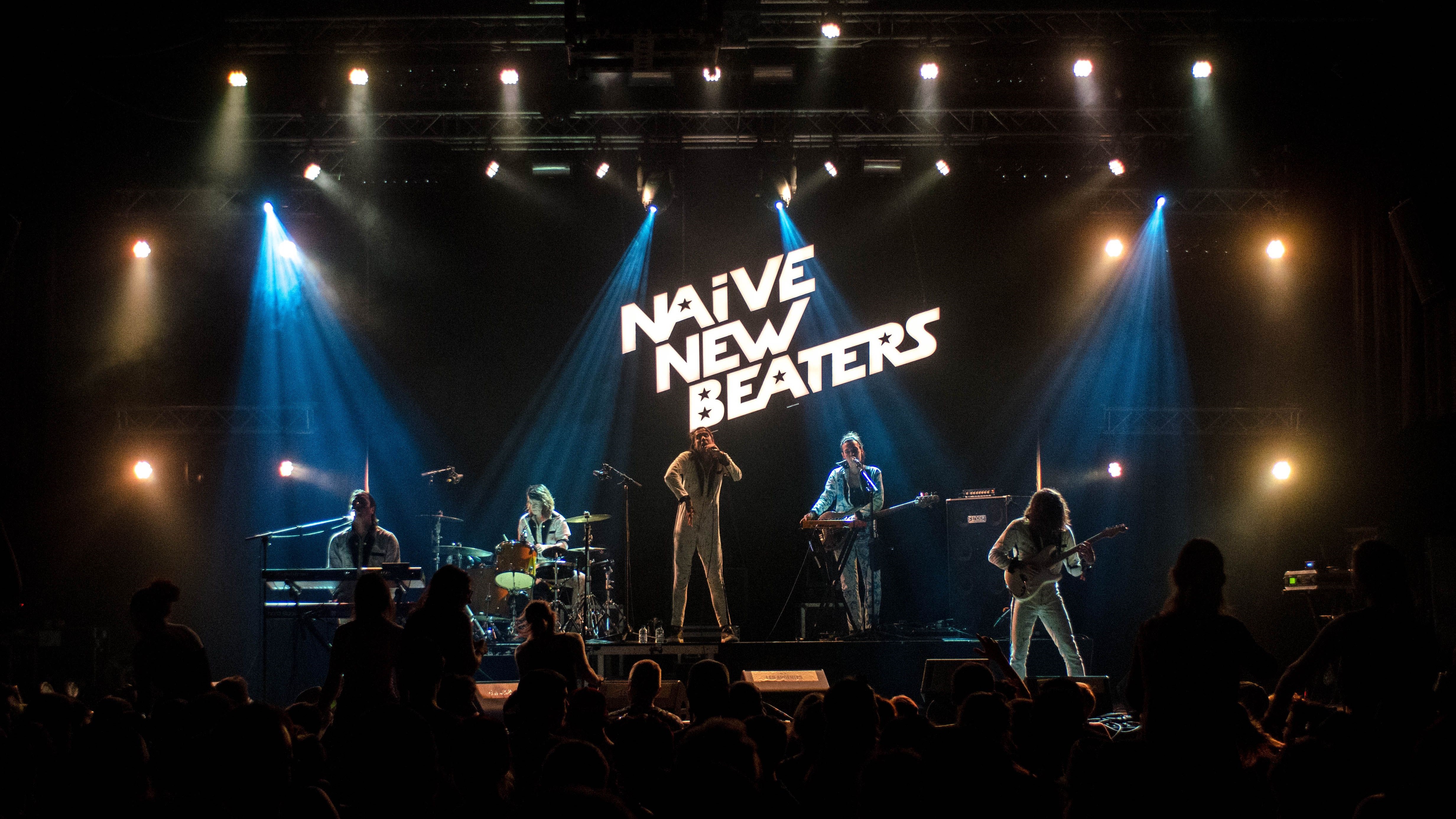
This dynamic has forced artists to rethink their business model entirely. Streaming is now treated as a marketing tool rather than a primary revenue source. Successful modern musicians typically layer income across multiple channels: Patreon and fan subscriptions, sync licensing for film and TV, merchandise, live performances, and exclusive content on platforms like Discord.
The major labels argue that streaming has actually expanded the addressable market—millions now access music legally who previously pirated or bought nothing. That's true, but it's cold comfort to mid-tier artists watching their streaming income decline as platforms compete on subscriber growth rather than paying artists more.
Consolidation and the Future
The streaming landscape is also consolidating. Universal Music Group, Sony Music, and Warner Music Group control the vast majority of master recordings, giving them enormous negotiating power with platforms. Recent years have seen periodic standoffs between labels and services, with licensing agreements sometimes lapsing before new deals are struck.
Meanwhile, newer players like TikTok have reshaped how music reaches audiences, though their payment models remain less transparent and even lower-paying per stream than traditional services. The platform's influence on streaming discovery means artists increasingly view it as essential for career momentum, even if it generates minimal direct revenue.
What's Changing
There's genuine momentum toward reform. Some artists and advocates are pushing for higher minimum per-stream rates and more transparent accounting from both labels and platforms. Emerging models like artist-friendly distribution services and direct-to-fan platforms offer alternatives, though they require artists to build their own audience rather than relying on playlist algorithm placement.
For working musicians, the lesson is clear: streaming alone won't fund a career. The most successful independent and signed artists treat it as one component of a diversified income strategy. The industry is evolving faster than payment structures—and for now, that gap remains one of the most pressing challenges in modern music business.