The Streaming Royalty Trap: Why Artists Are Rethinking Deals
The Math Behind the Streams
Spotify, Apple Music, Amazon Music, and YouTube Music now dominate how people consume music globally. Yet the economics of streaming remain brutally simple: platforms keep the majority, and what trickles down to artists often amounts to fractions of a cent per play.
The general consensus in the industry is that streaming platforms pay rights holders somewhere between $0.003 and $0.005 per stream on average—a figure that sounds even worse when you realize it's split between labels, distributors, publishers, and songwriters before a cent reaches the artist. A song needs hundreds of thousands of streams to generate meaningful income, and most artists never get close to those numbers.
Unlike the old CD and download era, where artists earned per unit sold, streaming flattens the reward structure. A billion-stream song and a thousand-stream song both contribute to a pool that the platform divvies up monthly based on total listening. Listeners effectively vote with their ears, but artists' paychecks don't reflect that directly.
Labels and Distributors: The Middleman Problem
This is where the label and distributor ecosystem becomes critical—and controversial. Independent distributors like DistroKid, CD Baby, and TuneCore have made it cheap and easy for solo artists to get their music onto all major platforms. But major labels still control a huge share of streams, which gives them enormous leverage over how platforms operate.
Recent years have seen significant consolidation in this space. Major labels (Universal, Sony, Warner) already control roughly 80% of the recorded music market. When major distributors negotiate with platforms, they're negotiating for the lion's share of attention and algorithmic placement. Independent artists, even when using independent distributors, compete for scraps in the algorithm.
Some platforms have experimented with direct-to-artist models or artist-friendly terms, but the incentive structure hasn't fundamentally changed. Platforms want exclusive content and catalog depth; labels provide both at scale. Independent artists remain secondary.
The Emerging Alternatives
Frustration with streaming economics has sparked real alternatives. Some artists are exploring direct-to-fan sales through platforms like Bandcamp, Patreon, and even social-media-native approaches via TikTok and Instagram. These channels typically keep a smaller cut and let artists build closer relationships with listeners.
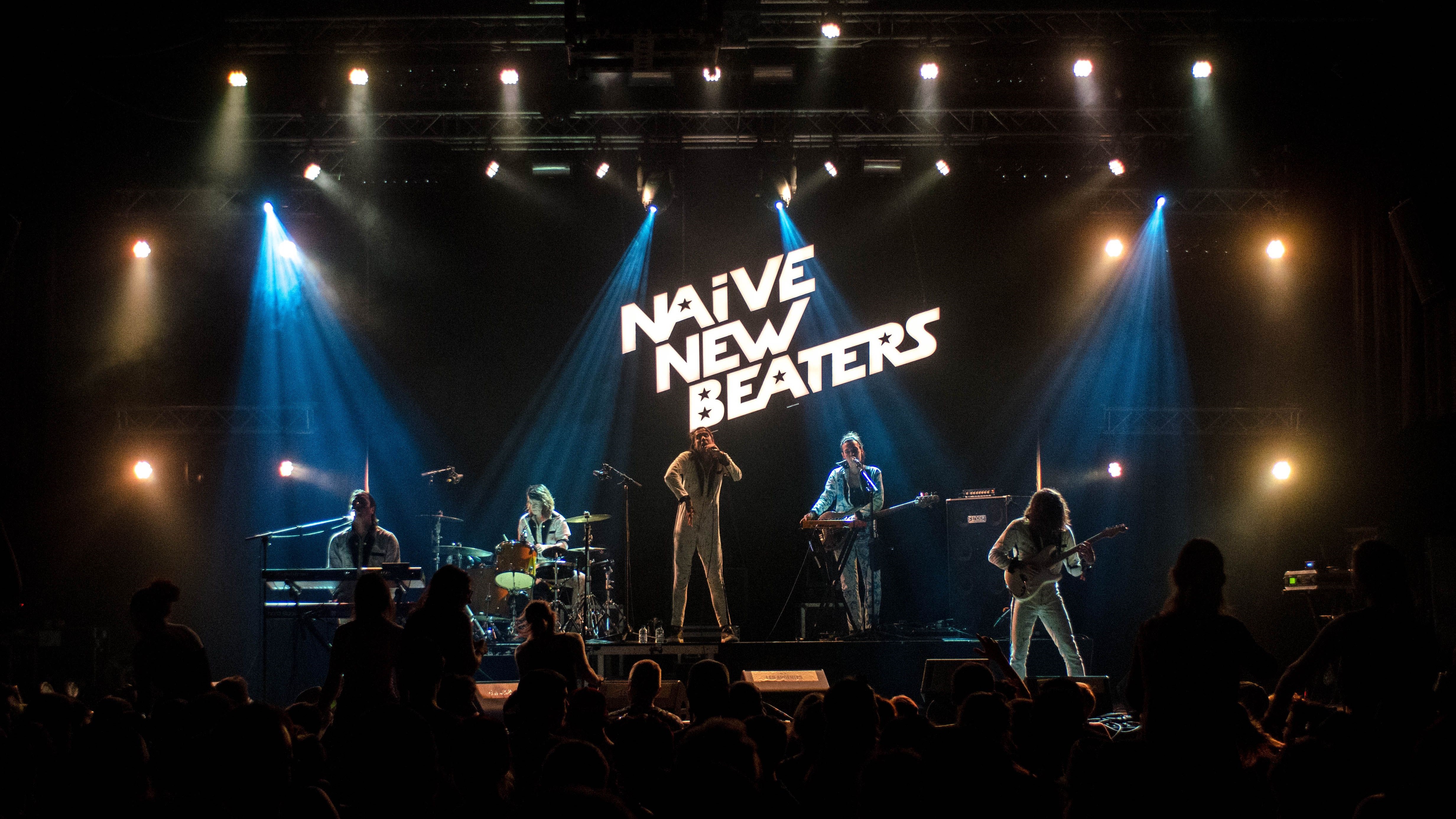
Others are doubling down on live performance and touring, where economics are more favorable. A single sold-out venue generates more revenue than most artists see from months of streaming. This shift has made touring talent increasingly valuable, and it's why Live Nation and similar promoters have consolidated so much power in the live space.
There's also growing interest in blockchain-based music platforms and NFT experiments, though these remain niche and experimental. The underlying idea is sound: give creators and collectors direct economic participation, cutting out intermediaries. The execution and adoption are still uncertain.
What's Actually Changing
The industry isn't moving away from streaming—it's the dominant revenue source now. But artists, labels, and even some platforms are rethinking the terms.
- Artist advocacy: Trade organizations and artist collectives have become more vocal about fair compensation, putting pressure on platforms to improve payouts or transparency.
- Label strategy shifts: Some labels are experimenting with different deal structures, equity stakes in platforms, or hybrid models that blend streaming with direct sales.
- Platform experimentation: Spotify and Apple Music have tested artist-friendly features and payment models, though none have fundamentally overhauled the per-stream payout.
- Diversified income: Successful artists increasingly treat streaming as one revenue stream among many: sync licensing, merchandise, live dates, and fan subscriptions.
What This Means for Your Career
If you're an emerging artist, the takeaway is clear: don't rely on streaming alone. Get your music on Spotify and Apple—you should—but build your income around live performances, direct fan relationships, and other revenue streams. The platforms and labels have optimized their side of the equation; it's on you to do the same.
For working entertainers in all disciplines, this moment is actually opportunity. Labels and platforms are still figuring out the economics of comedy, dance, and other live content. The streaming royalty problem is real for musicians, but it's also creating space for alternative models and direct relationships with audiences. That's where the real money increasingly lives.