Studio Setup & AI: The Sound Engineer's Toolkit in 2026
The Fundamentals: Building a Room That Works
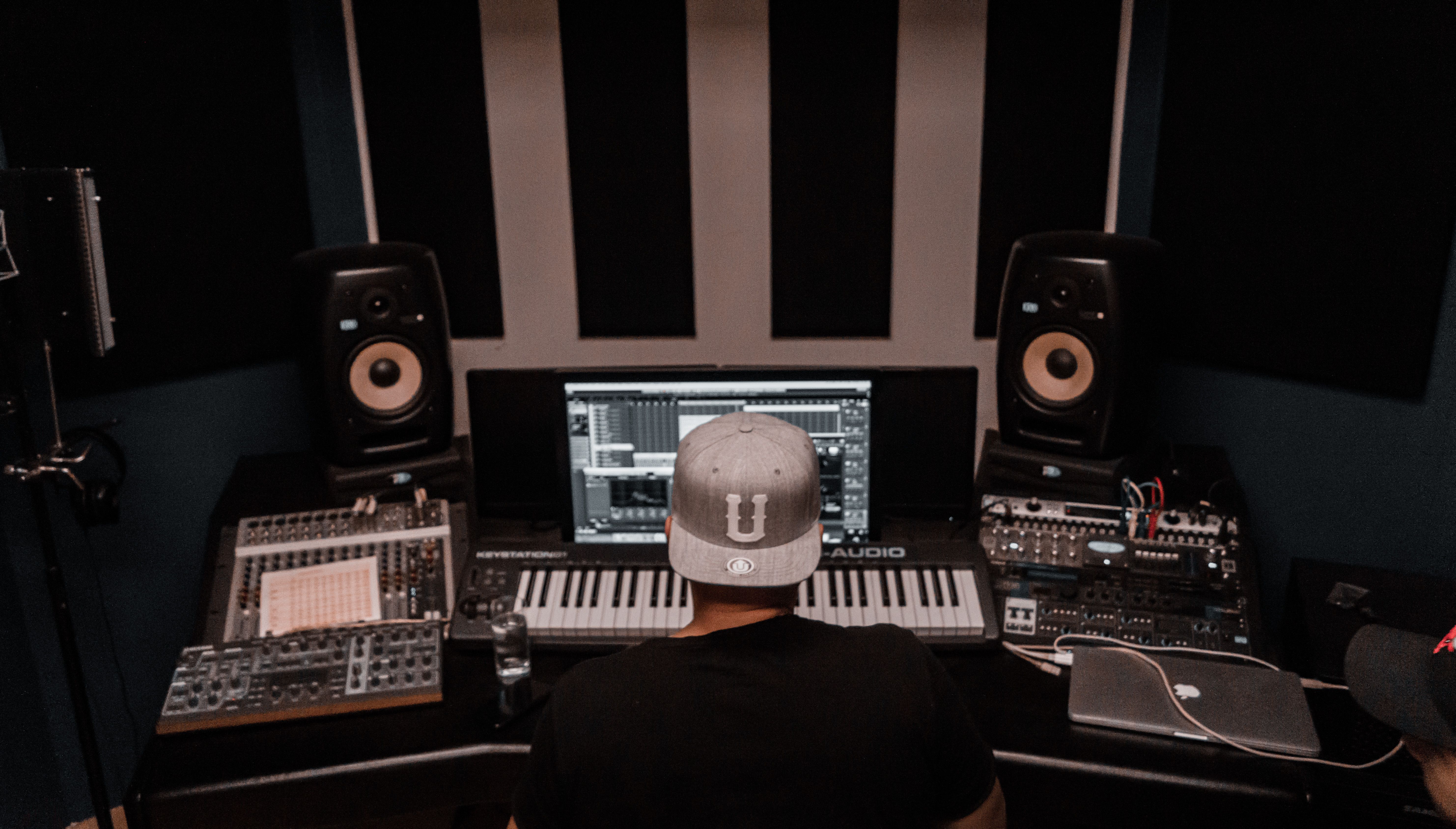
Before you plug in a single piece of gear, your acoustic environment is everything. A poorly treated room will undermine even the best equipment—no amount of software can fix reflections and standing waves after the fact. Sound engineers working in home studios or smaller facilities should start with the basics: understanding your room's dimensions, identifying problem frequencies, and treating them thoughtfully.
Acoustic treatment doesn't mean turning your space into an anechoic chamber. The goal is balance. Bass traps in corners, absorptive panels on first reflection points, and diffusion where appropriate can transform a boxy bedroom into a usable mixing environment. Many engineers invest in movable panels or DIY solutions before committing to permanent installation, which is a smart approach when you're still learning how your space behaves.
Monitoring is equally critical. Quality nearfield monitors and an accurate listening position matter far more than having the most expensive ones. If your monitors aren't giving you honest information about what you're actually recording or mixing, every decision downstream suffers. Spending time to calibrate and position monitors correctly—usually at ear level, forming an equilateral triangle with your listening position—pays dividends.
The Gear Question: What Actually Matters
The equipment industry loves to suggest that the latest preamp, compressor, or interface will unlock your potential. The reality is more nuanced. A solid audio interface with low-latency drivers, a decent microphone suited to your primary use case, and reliable monitoring form the core. Everything else is refinement.
For recording voice, acoustic instruments, or drums, a large-diaphragm condenser mic covers tremendous ground, though your choice should match your typical work. Engineers working with podcasters need different characteristics than those tracking metal drums. Similarly, your interface choice should reflect your I/O needs and your computer's capabilities—USB 2.0 bandwidth limitations are real, and drivers matter as much as specs.
Many successful engineers spend years with modest gear, then upgrade strategically based on real workflow pain points rather than gear lust. That restraint typically produces better work than constant gear cycling, which fragments your learning and depletes your budget.
Working with Artists: The Human Side of Production
The technical skills matter, but so does the interpersonal craft. Artists come into sessions with varying levels of experience, confidence, and communication ability. Part of your job as an engineer or producer is creating an environment where they perform their best—which has nothing to do with your preamp.
This means clear communication about what you're capturing and why. Explaining that you're doing multiple takes to ensure you have options, or that a particular mic placement is solving a proximity problem, demystifies the process and builds trust. Many artists are anxious in unfamiliar environments; your calm, competent presence directly affects their performance quality.
It also means knowing when to step back. Sometimes the best take is the imperfect one with real energy. A perfect, clinical recording of a flat performance serves no one. Learning to hear the difference, and to push artists toward authenticity rather than technical perfection, separates competent engineers from ones people want to work with repeatedly.
AI Tools: Capability, Hype, and Practical Reality
AI is reshaping parts of music and audio production—stem separation, vocal isolation, and mixing assistance are moving from pipe dream to practical tool. These capabilities can save time in certain workflows and provide useful starting points for editing or remixing.
That said, hype often outpaces reality. AI mastering tools, for instance, can produce acceptable results for certain content, but they lack the nuance and intentionality of a skilled mastering engineer who understands the music's artistic intent. Similarly, AI-generated elements work best as starting points, not replacements for human creativity.
The practical approach: evaluate these tools on whether they solve an actual workflow problem you face, not because they're novel. If stem separation saves you hours on remix projects you take on regularly, it's a legitimate investment. If you're considering it because it sounds futuristic, it probably isn't the right use of your time or money right now.
Staying Current Without Chasing Everything
The technology landscape shifts quickly. The best strategy is staying informed through communities you trust—whether that's engineering forums, podcast interviews with working professionals, or hands-on experimentation—while maintaining skepticism about marketing claims. Your fundamentals never change: good ears, treated space, quality monitoring, and collaborative communication will serve you regardless of what's new this year.