
The Venue Squeeze: Why Live Venues Are Becoming Landlords' Game
The Vanishing Middle
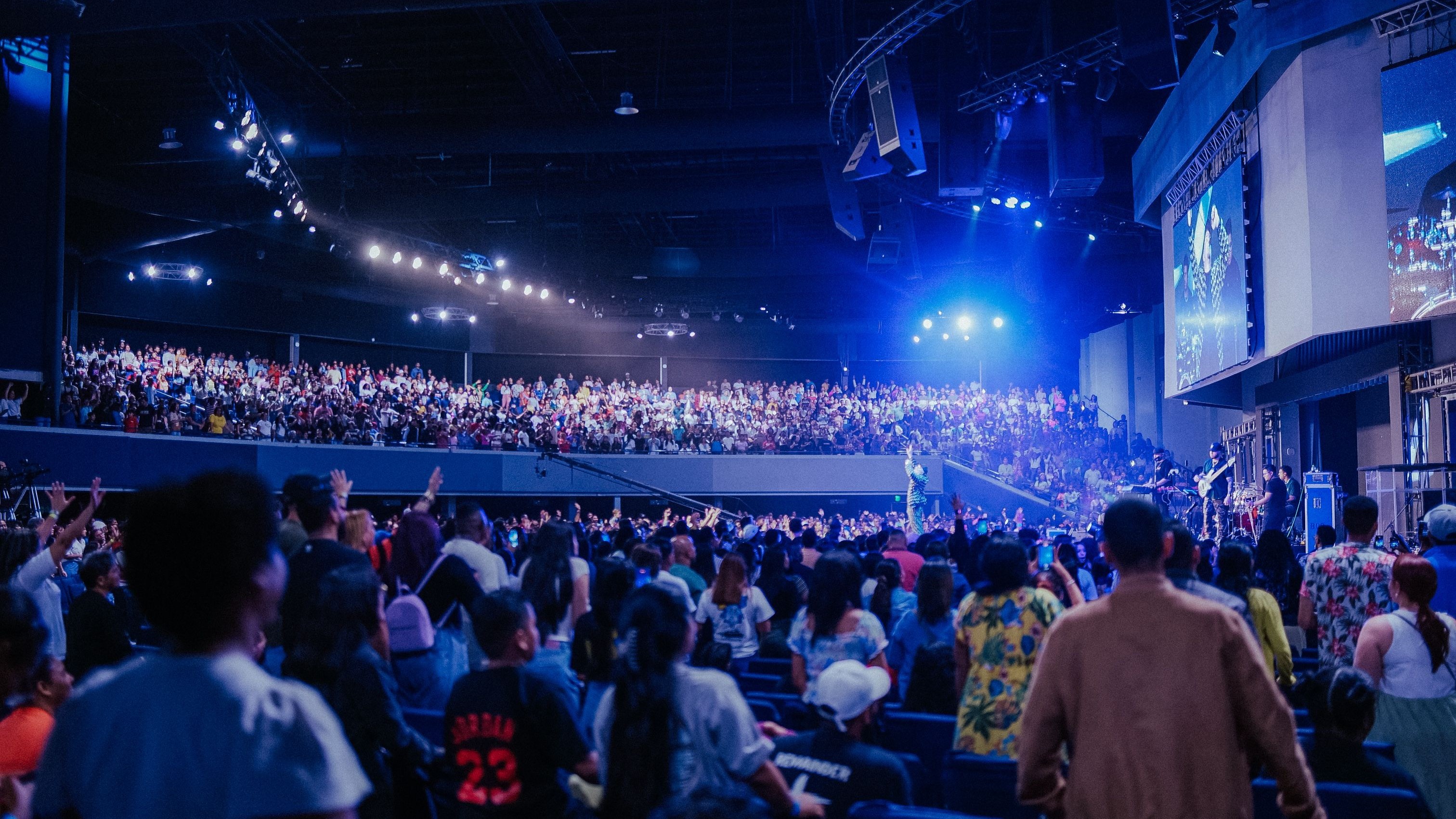
Walk through most American cities and you'll notice something: mid-size venues are disappearing. Not the arenas—those are thriving. Not the dive bars and clubs—those persist, though often with razor-thin margins. It's the 500-to-2,000 capacity rooms that are getting squeezed out of existence, caught between rising overhead and a ticketing infrastructure designed to funnel profits away from the venue itself.
The economics have always been tight for independent venue operators. A 1,000-capacity room pulling decent crowds might clear 15-25% profit on a good night, assuming the artist's guarantee, sound crew, security, and licensing fees don't balloon. But over the past decade, that margin has compressed further. Real estate values have surged in the neighborhoods where Live music traditionally thrives—Brooklyn, Austin, Los Angeles's Eastside, Nashville's Gulch. Landlords, watching the neighborhood gentrify around them, have little incentive to renew leases at terms venue owners can survive on. It's easier to convert the space to luxury apartments or higher-margin retail.
Meanwhile, the economics of booking itself have shifted. A touring artist today might have multiple stakeholders claiming a cut: their management company, a booking agent, a tour promoter, and increasingly, a streaming distributor or label trying to recoup tour support. The venue operator, who carries all the local infrastructure risk, often ends up negotiating from weakness.
Ticketmaster's Shadow Tax
Then there's the ticketing question. For decades, venues booked through Ticketmaster faced fees—but those were negotiable, and venues could point to alternatives. Today, for any show with meaningful capacity or reach, Ticketmaster's market dominance (particularly in mid-size and larger venues) means accepting their fee structure or accepting severely limited distribution. Those fees—often 15-25% of ticket price when you combine facility charges, service fees, and payment processing—don't flow to the venue. They flow to Ticketmaster's parent company, Live nation.
This creates a perverse incentive: venue operators profit most on concessions and bar sales, not ticket revenue. That pushes them toward higher drink prices, fewer free or low-cost events, and booking strategies that maximize per-capita spending rather than cultural value or community connection. A venue that once might have hosted emerging artists or community events now books primarily toward the 21-and-up crowd paying $15 cocktails.
The Consolidation Play
Unsurprisingly, independent venue ownership has consolidated. Live Nation and other large promoters have steadily acquired independent venues—sometimes buying outright, sometimes through long-term booking and management agreements that function similarly. The pitch to struggling owner-operators is straightforward: let us handle promotion, booking, and ticketing, and you'll have stability. For many, it's that or sell to a developer.
This matters because a consolidated venue landscape loses elasticity. Independent venues took risks on unfamiliar artists, hosted community nights, experimented with pricing and formats. They were, by nature, more nimble and locally rooted. When those venues become nodes in a national promotion network, their booking strategy is determined by algorithms optimizing for per-ticket yield and cross-promotion with other venues in the chain. The venue stops being a cultural incubator and starts being a revenue unit.
What Artists (and Audiences) Lose
For musicians and live performers, the shift has real consequences. The traditional pathway—build a fanbase in mid-size venues, graduate to headlining them, then move up—has compressed. Artists now either stay in small clubs or leap to theater-sized rooms booked by major promoters. That middle space where artists once developed their live show, learned crowd work, and built sustainable touring businesses is narrowing.
Some of this pressure has pushed touring artists toward alternative models: direct-to-fan ticketing, theater rentals, or smaller independent venues that still exist. But those routes require more resources and risk from the artist side. And they don't solve the fundamental problem: the economic model that sustained a healthy ecosystem of mid-size venues has eroded.
The Path Forward (If There Is One)
Some cities have started protecting live music venues through zoning restrictions or tax incentives—a tacit admission that the market, left alone, will optimize them out of existence. A few platforms have explored artist-direct ticketing at scale, potentially disrupting Ticketmaster's grip. And there's been growing pushback on Live Nation's market dominance, though antitrust action has historically moved slowly.
What's clear is that the squeeze isn't accidental or temporary. It's the logical endpoint of a system where real estate values, ticketing monopolies, and consolidation all push in the same direction: toward fewer, larger, more corporate venues, and fewer opportunities for artists to build careers on the road.