Building Your Home Studio: Gear, Workflow & Getting Started
Start with the Essentials—Not the Hype
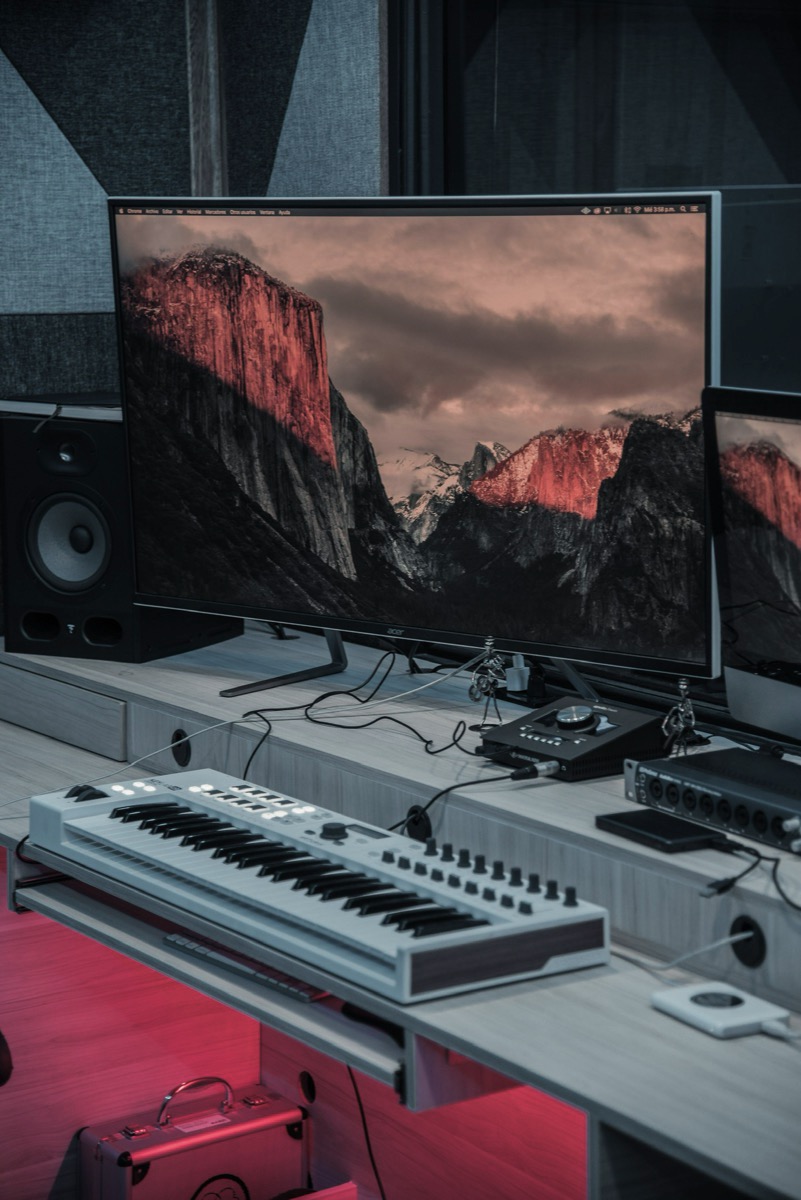
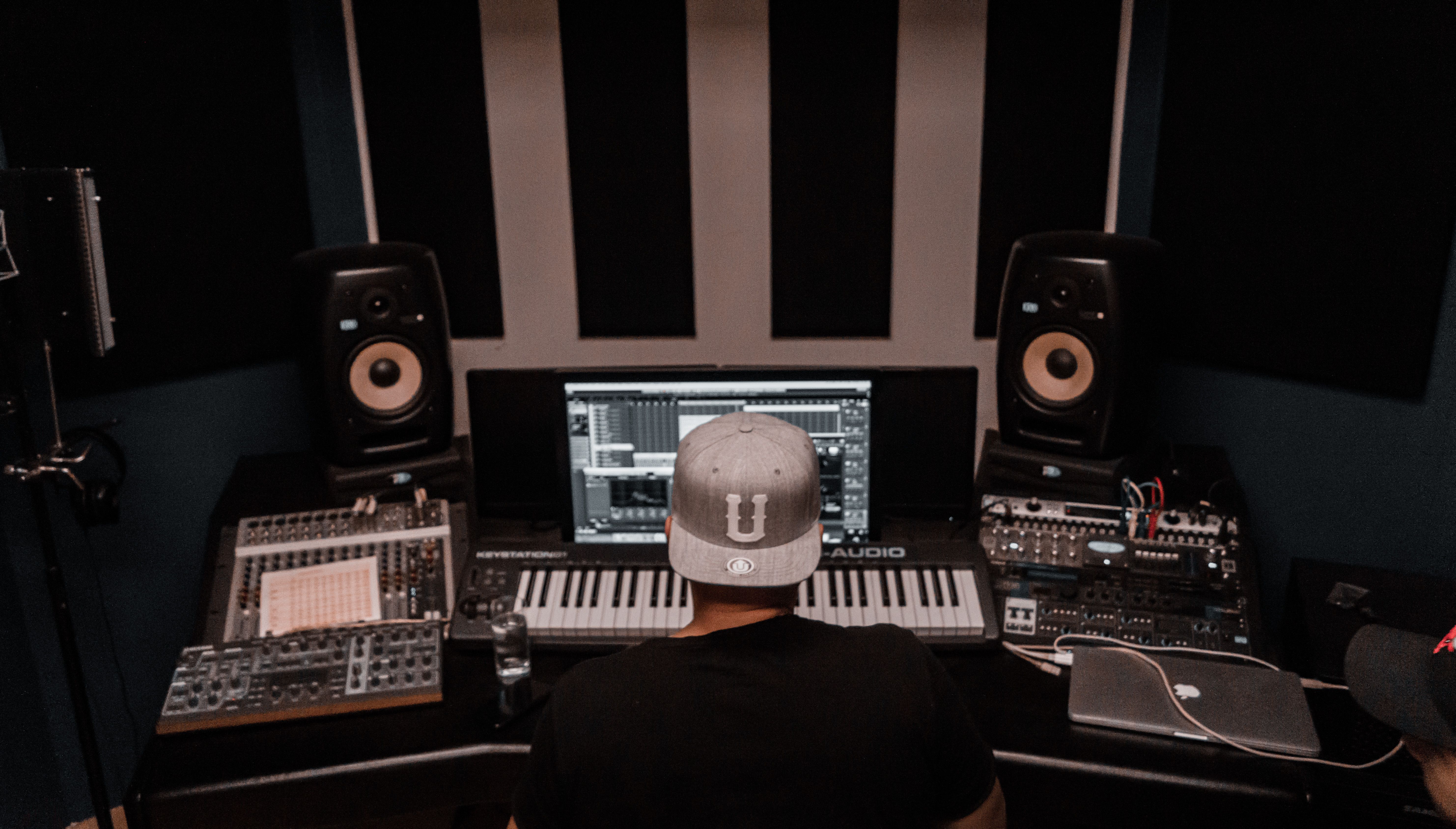
It's tempting to fill a shopping cart with every plugin, microphone, and outboard gear you see in producer setup videos. But a solid home studio doesn't require it. You need four core elements: a computer with enough RAM and processing power, a digital audio workstation (DAW) like Ableton, Logic, or Pro Tools, an audio interface, and a pair of studio monitors or quality headphones.
Your interface is your lifeline—it converts analog signals from microphones and instruments into digital data your DAW understands, and does the reverse when you play back. Entry-level interfaces from companies like Focusrite, PreSonus, and Audient handle this reliably without breaking the bank. Pair that with a condenser microphone (or a dynamic one if you're recording vocals in a less-than-treated room) and you're ready to record.
Room Acoustics: The Invisible Gear Investment
Many engineers overlook this, then wonder why their mixes sound great on speakers but fall apart in a car. Your room is an instrument itself. Hard surfaces reflect sound, creating phase issues and false peaks in the frequency spectrum. Before buying expensive monitors, treat your space.
Bass traps in corners, acoustic panels on walls, and a decently thick rug make a measurable difference—often more than upgrading your monitors. You don't need a commercial anechoic chamber; you need a space that doesn't lie to you. If you're monitoring on headphones while building your home setup, that's totally valid, but plan for room treatment as you grow.
Workflow: The System That Keeps You Producing
Gear is half the equation. The other half is discipline and process. Successful producers develop repeatable workflows because consistency breeds creativity.
- Session templates: Build a DAW template with your favorite plugins, routing, and track colors already set up. This cuts setup time and keeps your brain in the creative space.
- Naming conventions: Label tracks, stems, and project files clearly. Future you—and any collaborators—will be grateful.
- File management: Organize samples, presets, and reference tracks by genre or mood. You want to find that snare sample in seconds, not twenty minutes.
- Reference tracks: Import a polished song in your target genre into every session. Check your mix against it. This trains your ear faster than anything.
- Breaks and perspective: Step away. Mix fatigue is real. Your ears adapt to problems after a few hours. Come back fresh.
Collaboration and Working with Artists
As a home-based engineer or producer, you'll often be the artist's first studio experience. Set expectations upfront: session length, what formats you'll deliver, revision limits, and timeline. Clear communication prevents misunderstandings later.
Invest in reliable backup systems—cloud storage and external drives. Nothing builds distrust faster than losing a vocal take. If you're doing remote sessions, familiarize yourself with file-sharing platforms and recording tools that let artists send you quality stems without degradation.
AI and the Changing Landscape
Tools for stem separation, mastering assistance, and melody/harmony generation are becoming mainstream. These aren't replacements for human skill, but they're valuable for iteration and learning. Mixing engineers have started using AI-assisted reference tools to speed up early-stage decisions. Some producers use AI to generate starting ideas or break writer's block.
The key is knowing what these tools are actually good at—they excel at repetitive, pattern-based tasks—and where they fall short: nuance, intentionality, and the human touch that makes music connect. Use them to work smarter, not to abdicate your role.
The Path Forward
Building a home studio is iterative. You don't need everything at once. Start with the core four, establish a workflow that suits your music, treat your room, and upgrade strategically based on what you discover through real sessions. The best gear is the one you actually use consistently. Focus there first.