Studio Setup & Workflow: A Tech Guide for Modern Producers
The Essentials: Building a Functional Studio Foundation
Whether you're setting up a bedroom studio or upgrading a professional facility, the core challenge remains the same: translating your artistic vision into quality recordings without breaking the bank or creating a nightmare workflow.
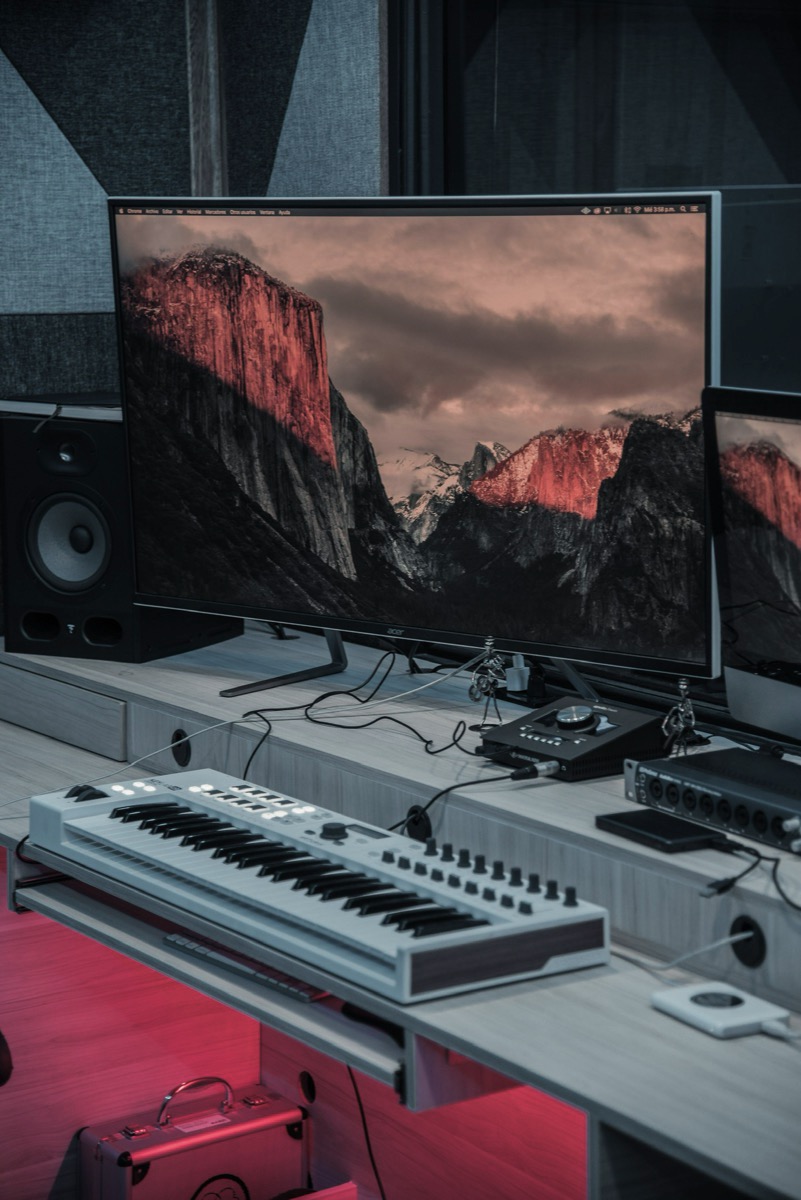
Start with the fundamentals. Your listening environment matters more than your gear list—a treated room with proper acoustic panels, bass traps, and a decent pair of monitor speakers will teach you far more than expensive microphones in an untreated space. Many producers overlook this, then wonder why their mixes don't translate to other systems. A basic audio interface, a solid DAW (Digital Audio Workstation), and headphones you trust form the backbone of any modern setup. The specific brand matters less than consistency and knowing your tools inside out.
Cable management, while unglamorous, saves hours of debugging. Invest in quality cables, label everything, and keep your setup organized from day one. Future you will be grateful.
DAWs, Plugins, and the Software Ecosystem
The choice of DAW—whether that's Ableton, Logic, Pro Tools, or one of the many others—is deeply personal and often driven by the type of work you do. Electronic producers tend toward Ableton or Bitwig. Hip-hop and R&B producers gravitate toward Logic or FL Studio. Film composers often prefer Pro Tools or Cubase. The differences matter, but they matter less than your proficiency with whichever you choose.
Plugins have democratized music production. Where a professional studio once required thousands in hardware synthesizers and effects racks, you can now build a production-ready toolkit for a few hundred dollars—or even free, if you're willing to learn the limitations of free and open-source tools. Many successful artists use surprisingly modest plugin collections; the limitation often pushes creativity rather than constraining it.
That said, there's real value in understanding what your tools actually do. Too many producers treat plugins as magic boxes, tweaking knobs without understanding signal flow, frequency content, or why a compressor works the way it does. Learning the fundamentals—even on free or basic tools—will make you more effective than having access to every premium plugin available.
Working with Artists: Communication Over Gear
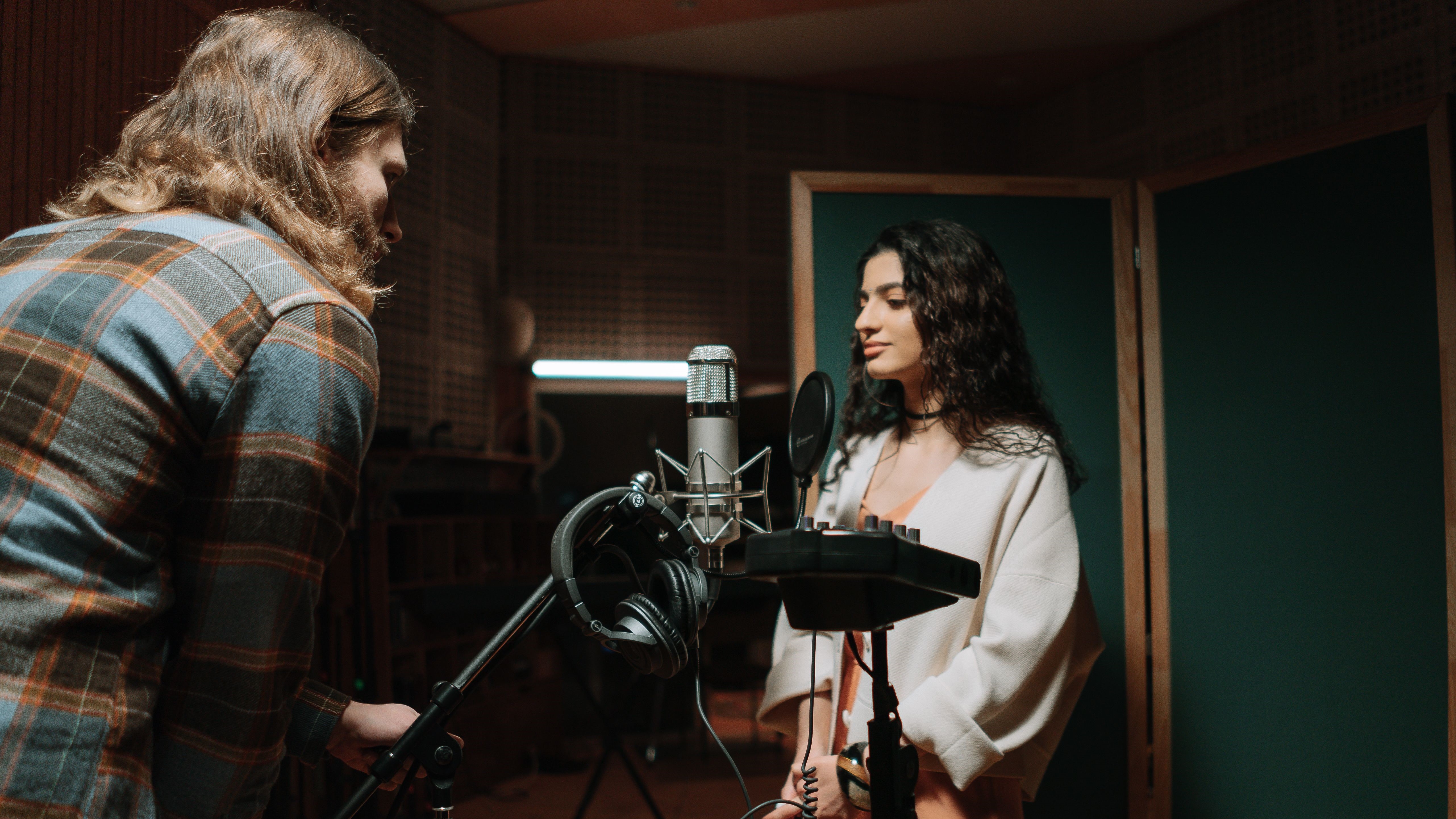
As a producer or engineer, your technical skills are table stakes. What separates good session professionals from great ones is the ability to communicate clearly with the artist and translate their vision into reality.
This means asking better questions: What's the reference track? What emotion are we chasing? Where do you hear your voice in the mix? It means knowing when to suggest something and when to stay out of the way. It means having backup plans when technology fails—and it will fail—so the creative momentum doesn't stop.
Remote collaboration has become standard, which adds another layer: learning to communicate effectively over video, mastering file transfer protocols, and understanding how to maintain sound quality across Zoom or streaming. Many producers now work with vocalists across the country or world, which requires both technical competence and patience.
How AI and New Tech Are Reshaping the Role
AI-assisted tools—stem separators, automatic mixing assistants, generative plugins—are changing what a producer or engineer spends time on. Rather than replacing the role, they're shifting it. Less time on technical drudgery, more time on creative decisions and artist direction.
The industry is still figuring out where the line is. Some engineers see these tools as efficiency gains; others worry about commodification. The reality is that the producers and engineers who adapt and integrate new tools thoughtfully will have an edge over those who don't, while maintaining artistic integrity.
What won't change: the need for human judgment, taste, and the ability to make an artist sound their best. Technology is the vehicle, but your ears and experience are the destination.
Staying Current Without Losing Focus
New gear, plugins, and techniques arrive constantly. The temptation to constantly upgrade is real, but it's often a distraction. Most working professionals stick with their setup for years because consistency breeds mastery.
That said, staying informed about workflow improvements, new collaboration tools, and emerging techniques is worthwhile. Join communities, watch tutorials from working engineers, attend workshops. But evaluate every new tool against a simple question: does this solve a real problem in my workflow, or am I just chasing novelty?
The best studio setup is the one you know inside and out and actually use.