
Building a Dance Reel That Books You Real Gigs
Why Your Reel Matters More Than Your Resume
In dance and performance, your reel is often your first and only impression. Choreographers, casting directors, and venue bookers make snap decisions based on what they see in 30 to 60 seconds. Unlike musicians who might submit audio files or comedians who can perform live, dancers need a visual calling card that proves both technical ability and stage presence.
A strong reel doesn't just showcase your skills—it tells a story about who you are as a performer. It should reflect the types of work you want to book: commercial dance, contemporary, hip-hop, theatrical, or cultural forms. Dancers who treat their reel as a living document, updating it regularly with new material, tend to see more consistent booking opportunities.
What Makes a Reel Actually Work
The first three seconds matter most. Open with your strongest, most eye-catching moment—a sharp turn sequence, a dynamic freeze, a moment of genuine stage presence. Bookers and choreographers are often screening dozens of reels; a slow or forgettable opening means they may not watch the rest.
Keep it between 30 and 90 seconds. Anything longer dilutes your impact. Each clip should be high-quality, well-lit, and shot at a professional or near-professional level. Phone footage from a dark club won't cut it; neither will a shaky camera angle that hides your lines or footwork.
Include variety, but stay on-brand. If you specialize in commercial dance, showing three different commercial styles demonstrates range. If you're a contemporary dancer, one strong contemporary piece often outweighs a scattered mix of unrelated content. Casting directors want to see consistency in your vision.
- Show, don't tell: Let your movement speak. Avoid heavy text overlays or unnecessary transitions.
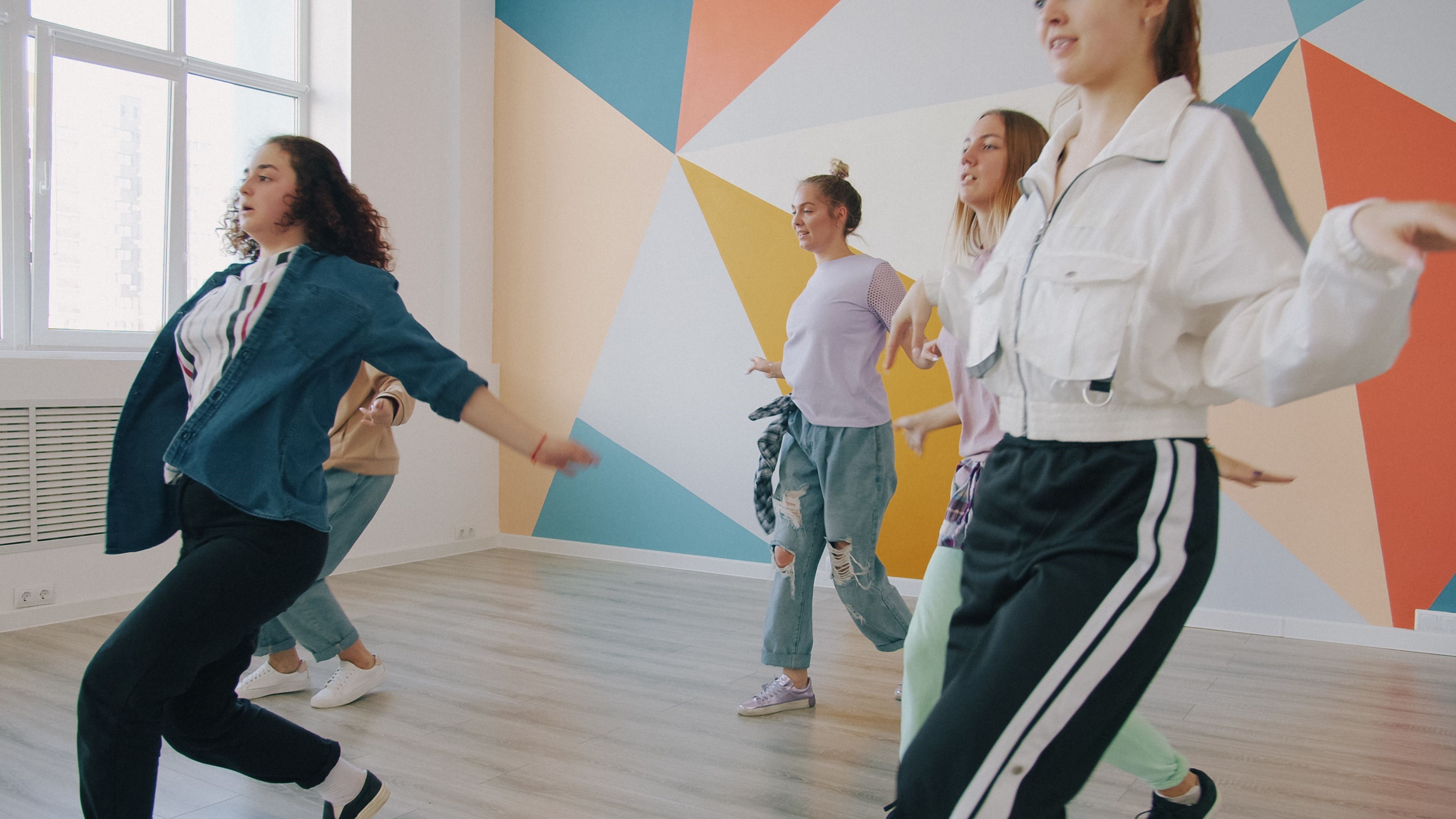
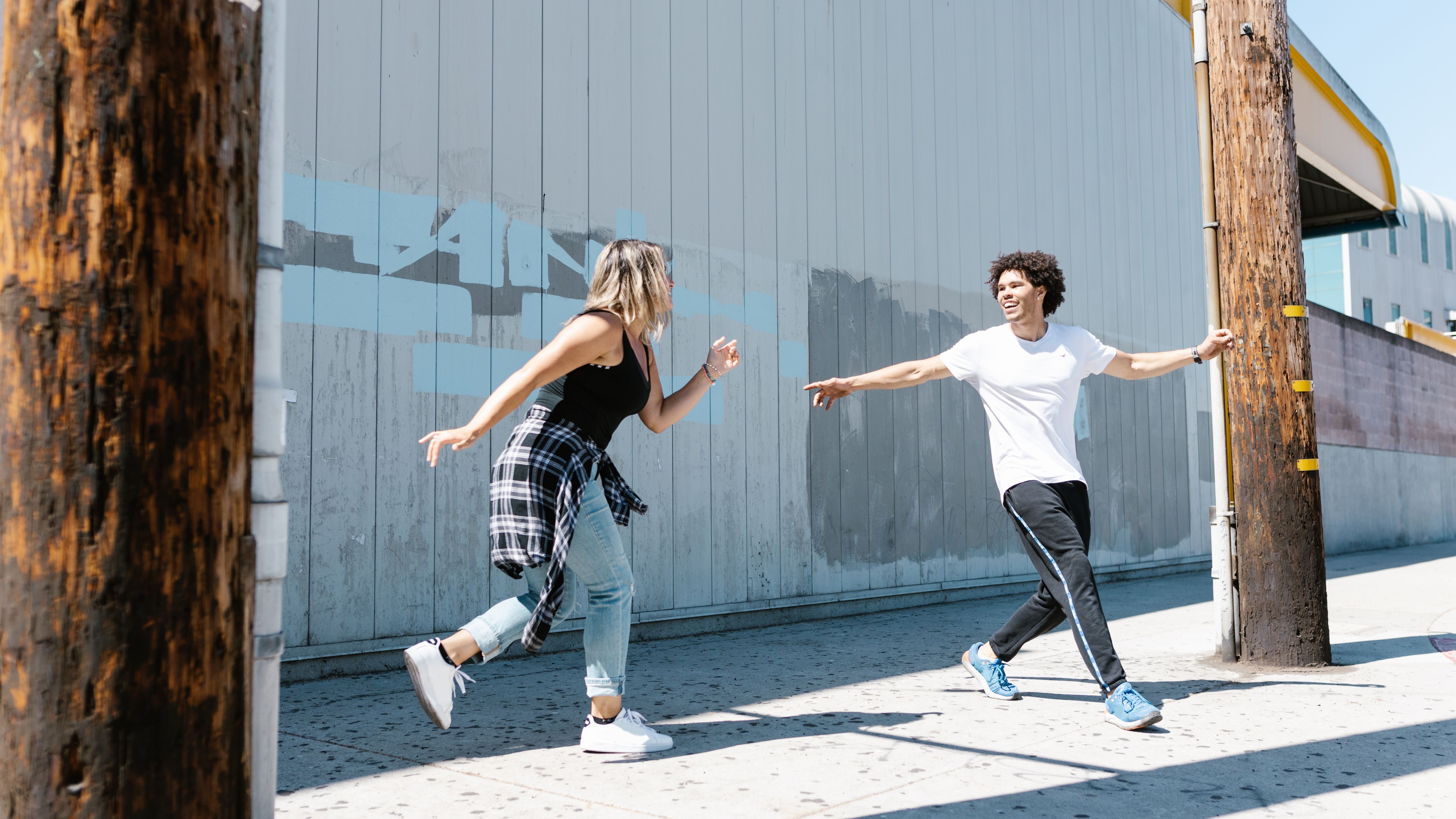
- Feature multiple environments: Include clips from stages, studios, and potentially outdoor locations to show adaptability.
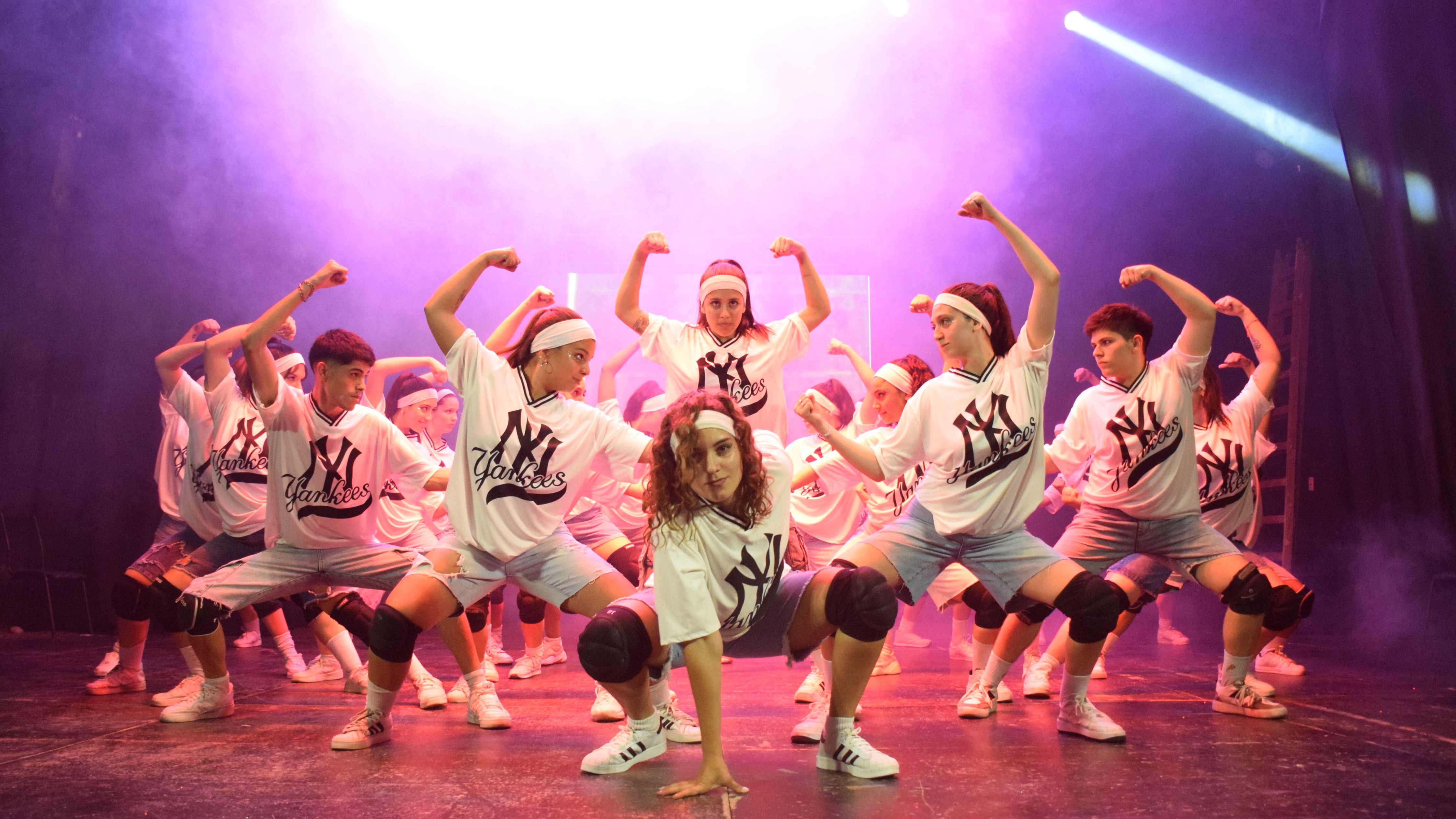
- Highlight ensemble and solo work: Both matter. Ensemble work shows you take direction and blend; solo work proves you can command attention.
- Update seasonally: Reels age quickly. Aim to refresh yours every 6 to 12 months with new material.
Where to Film and How to Shoot It
You don't need a massive production budget. Many dancers build strong reels using performances from showcases, studio sessions with videographers, or collaborations with student filmmakers. Dance companies like Hubbard Street Dance and touring productions often allow performers to capture promotional footage during tech rehearsals.
If you're shooting in a studio, invest in good lighting. Harsh shadows or dim lighting will bury your technique. A tripod or gimbal stabilizer makes a huge difference. Shoot in 4K if possible—it gives you flexibility in editing and looks more professional across platforms.
Consider hiring a movement-focused videographer, even for a single session. Many charge reasonable rates for a few hours of shooting, and they understand how to frame and capture dance in ways that static phone footage can't. The investment often pays for itself in improved booking rates.
Platform Strategy and Distribution
Post your reel on YouTube, Vimeo, and embedded on professional profiles like your Giglive portfolio or personal website. Each platform serves a different purpose: YouTube and Vimeo are industry standards for sharing links; your own website establishes professional credibility; and Giglive connects you directly with bookers and choreographers seeking talent.
Keep a link to your reel easily accessible everywhere—email signature, social media bio, headshots, resume. When bookers request your reel, you want the link ready to go.
Instagram and TikTok can amplify your visibility, but don't rely on them as your primary reel platform. Short-form clips perform well for building audience, but industry professionals still expect a dedicated, full reel link for serious inquiries.
The Reel Is Your Calling Card, Not Your Final Word
A polished reel opens doors, but bookings often come down to live auditions, references, and how you work with choreographers and teams. Use your reel to get the meeting; use the meeting to prove you're the right fit. Keep refining both your technique and your reel. Every performance, every collaboration, and every session is an opportunity to capture something that moves your career forward.