The Open-Mic Burnout Crisis: Why Comics Are Quitting Before They Start
The Unpaid Grind Never Ends
Open-mic comedy has always been a rite of passage: unpaid stage time, hostile crowds, the occasional heckler who thinks they're funnier than you are. But what used to be a 6-12 month crucible before landing paid spots has calcified into something much darker. New comics are now doing 40, 50, sometimes 60 unpaid shows before booking a single paid gig—and that's if they stick around long enough to see it happen.
The math is brutal. A typical open-mic slot runs 5-10 minutes. A new comic will lose money driving to a venue, sitting through other people's sets for 2-3 hours, performing to an audience of 8 other comedians, and leaving with nothing but notes and self-doubt. Multiply that across 3-4 nights a week for months, and you're looking at hundreds of dollars in gas, parking, and missed income. For working people—which most new comedians are—that's not sustainable.
The result? Comics are burning out before they develop. They're quitting after a handful of open mics because the ROI is invisible, the feedback loop is broken, and there's no institutional pathway that says "you're making progress." Unlike music or dance, where you can post clips and build an audience remotely, stand-up still demands that you show up in person, night after night, to rooms that often don't care.
The Club Booking Bottleneck
The traditional pipeline worked like this: crush open mics for a year, get a feature spot at a comedy club, prove you can hold a crowd for 20-30 minutes, graduate to headlining. Venues like Carolines, The Comedy Store, and regional chains used to actively scout open mics. Comics got discovered. Clubs developed talent.
That's largely gone now. Most comedy clubs are either owned by large entertainment corporations (or tied to hotel chains) that book proven acts with ticket-sales track records, or they're under such thin margins that they can't risk booking unproven talent. The feature spots that do exist often go to people with social media followings, podcast audiences, or existing industry connections—not to whoever's been grinding it out at open mics.
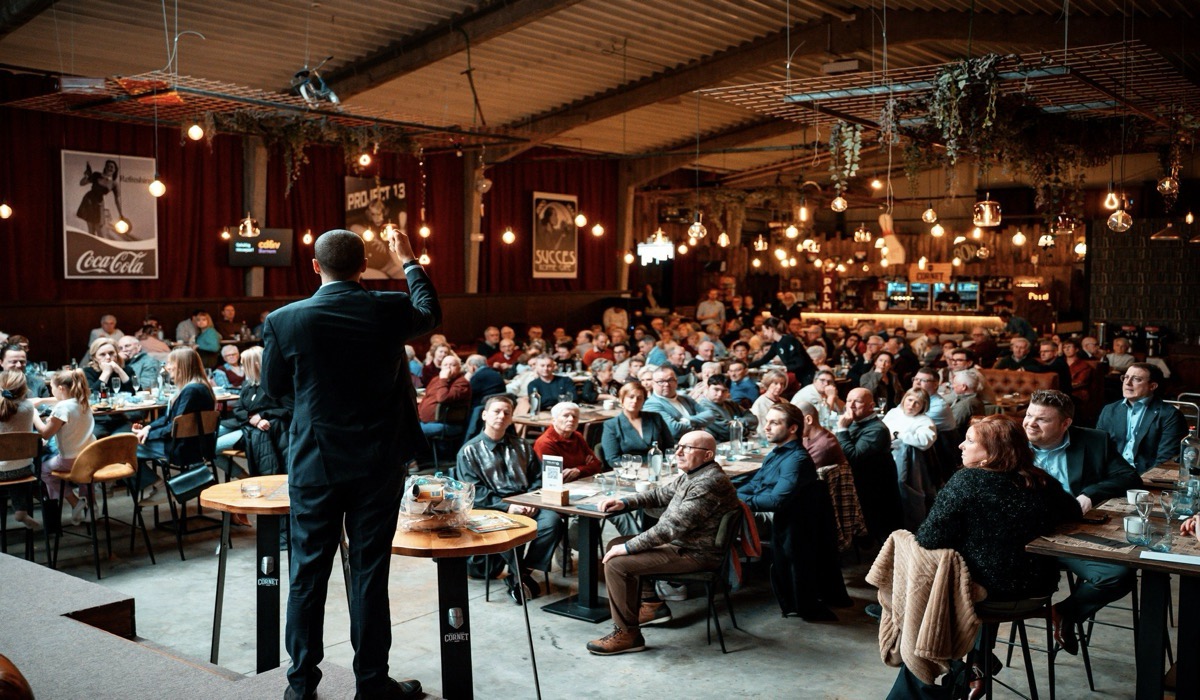
Meanwhile, the open-mic itself has become a different creature. Many are run by comics or venue owners with minimal promotion, minimal audience building, and minimal investment in the space. You're performing for other comedians and the bartender. The crowd isn't there to see comedy; they're there because their friend's performing, or they're waiting for a table. It's not a development tool anymore. It's a practice room that costs you money.
Where Alternative Pipelines Are (and Aren't)
Some comedians are bypassing traditional venues entirely. They're building audiences on TikTok, Instagram, and YouTube, using clips and short-form content to generate interest. A few land specials or touring opportunities that way. But this path requires a different skill set than stand-up—it's about editing, aesthetics, and algorithm literacy—and it favors comedians who either have production knowledge or money to hire people who do. It's not more democratic; it's just a different gatekeep.
Others are turning to private events: corporate comedy, private parties, weddings. These gigs pay, sometimes well, and they don't require you to have built a comedy brand first. But they also don't build your stand-up. You're performing material you've already written, to audiences who didn't choose to see you, often in conditions that don't suit comedy development. It's work; it's not training.
Comedy schools and improv labs have filled some of the gap, but they come with tuition. If you're paying $200-400 a month for classes while also doing unpaid open mics, the math gets even worse. And those spaces, while valuable for community and feedback, don't replace the stage time you need with real audiences who paid to be there.
What Needs to Change
A few venues and promoters are experimenting with alternatives: paying comics small amounts for open-mic features, creating audience-building strategies, hosting themed showcases that actually draw crowds. But these are exceptions. The industry as a whole hasn't reckoned with the fact that the traditional development system is broken.
The comedy business needs to ask itself: if we want new voices, where are we going to develop them? Because right now, the answer is "we're not." We're selecting for people with existing advantages—money, time, social media fluency, connections—and calling it meritocracy. And we're losing a lot of real talent in the process.