How Streaming Economics Reshape Independent Music Careers
The Streaming Royalty Reality Check
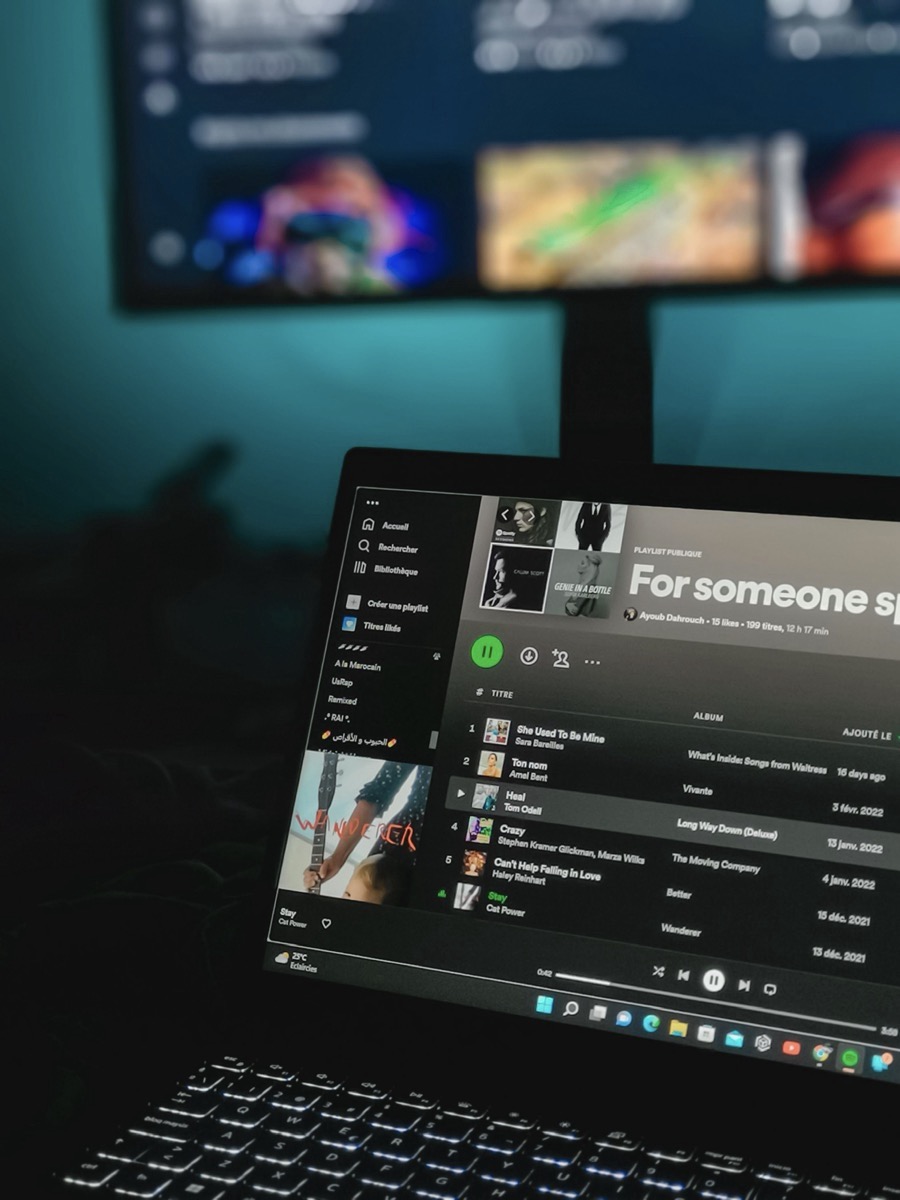
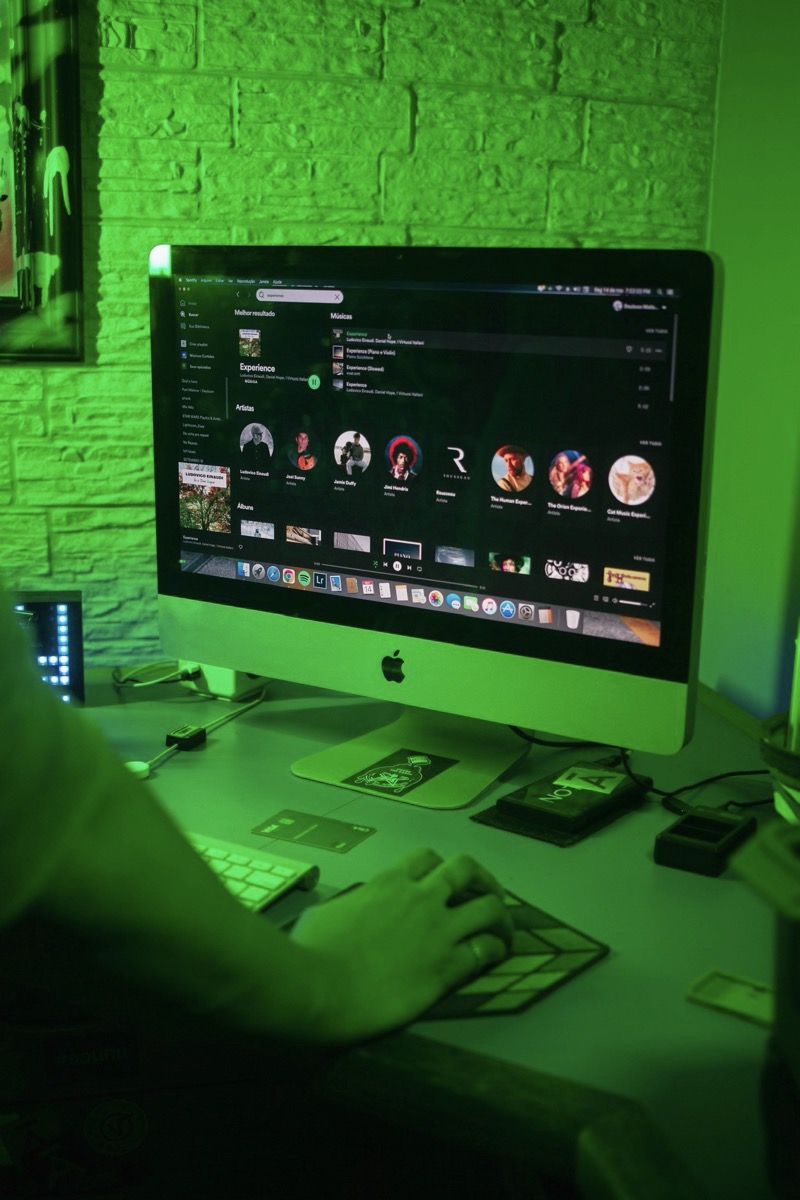
For decades, the music industry relied on a clear transaction: you bought a record, the artist and label split the proceeds. Streaming has upended that model entirely. Today, Spotify, Apple Music, YouTube Music, and Amazon Music collectively control how hundreds of billions of streams translate into artist payouts—and the numbers are sobering.
When you stream a song, the platform takes a cut (typically 30%), then distributes the remainder to rights holders: labels, publishers, songwriters, and producers. For independent artists signed to distributors like CD Baby, DistroKid, or TuneCore, the chain is longer. After the platform's cut and the distributor's fee, what lands in an artist's account can be a fraction of a cent per stream.
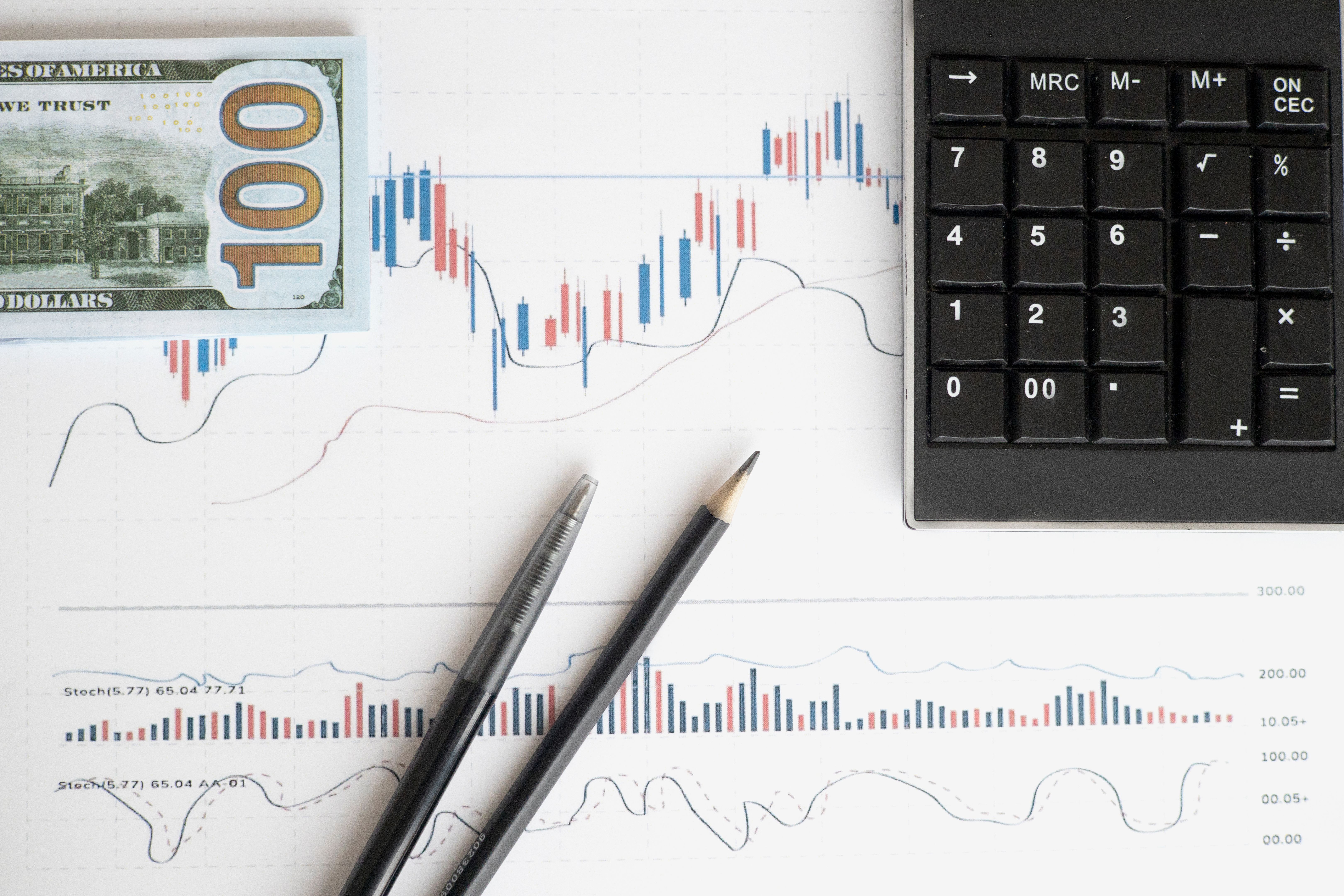
The industry consensus is stark: streaming pays somewhere between $0.003 and $0.005 per stream on average, though rates vary by platform and listener location. That means an independent artist needs roughly 200,000 streams to earn what they might have made from 100 physical album sales in 2005.
Why Artists Can't Live on Streams Alone
The math explains why even moderately successful artists treat streaming as promotional rather than primary income. A song with a million streams sounds impressive until you realize it might generate only $3,000–$5,000 in total royalties—before any platform cuts, distributor fees, or splits with collaborators.
This has created a bifurcated industry. Major label artists benefit from advances, marketing budgets, and leverage in negotiating better rates. Independent artists shoulder all costs—studio time, promotion, distribution—while accepting baseline rates that haven't meaningfully improved in over a decade.
The result: touring, merchandise, and sync licensing (placing music in TV, film, and ads) have become essential revenue streams. Artists who ignore this reality and bet solely on streaming income often find themselves unable to invest in the next project, let alone sustain a career.
The Consolidation Play and What It Means
Major labels and distributors have responded to streaming's dominance through acquisition. When large companies acquire independent distributors or invest in music-tech platforms, they're not just buying catalog—they're building data pipelines and deeper relationships with streaming platforms. This consolidation can mean better terms and faster payouts for some, but it also concentrates power in fewer hands.
For working musicians, consolidation matters because it affects which tools are available and at what cost. Some platforms have shifted their business models, moving from per-stream payouts to more opaque revenue-sharing arrangements. The independent distributor you choose today shapes how quickly you get paid and how much visibility you have into your earnings.
What Independent Artists Can Actually Control
While you can't change how much Spotify pays per stream, you can optimize within the system:
- Choose your distributor strategically. Different platforms offer different fee structures, payment schedules, and analytics. Some charge upfront; others take a percentage. Do the math for your release schedule.
- Diversify revenue streams. Treat streaming as one tool among many. Build a direct-to-fan email list for early releases, pre-orders, and exclusive content. Sell merchandise. License your music.
- Understand your splits. If you collaborate, co-write, or work with producers who take points, clarify the breakdown before release. Streaming payouts get divided automatically, and disputes are messy.
- Play the playlist game strategically. Playlist placements drive streams, but organic playlisting is unpredictable. Some artists invest in playlist pitching services; others focus on building their own audience and letting algorithmic discovery follow.
The Bigger Conversation
Independent artists and advocacy groups have increasingly pushed back on streaming economics, questioning whether the current rates are sustainable for anyone outside the top 1%. Some platforms have made incremental improvements—raising payout rates slightly, adjusting how artist-friendly features work—but systemic change has been slow.
The uncomfortable truth is that streaming platforms benefit from a race to the bottom in artist compensation. The lower the per-stream cost, the higher their profit margins. Until economic incentives shift—through regulation, collective action, or genuine competition—rates are unlikely to improve significantly.
For now, the most successful independent artists treat streaming as a component of a diversified strategy: it builds audience, feeds algorithmic discovery, and generates passive income. But it's rarely the primary income. Understanding that distinction is the first step to building a sustainable career in the streaming era.