How Streaming Economics Shape the Modern Music Industry
The Streaming Revolution Changed Everything
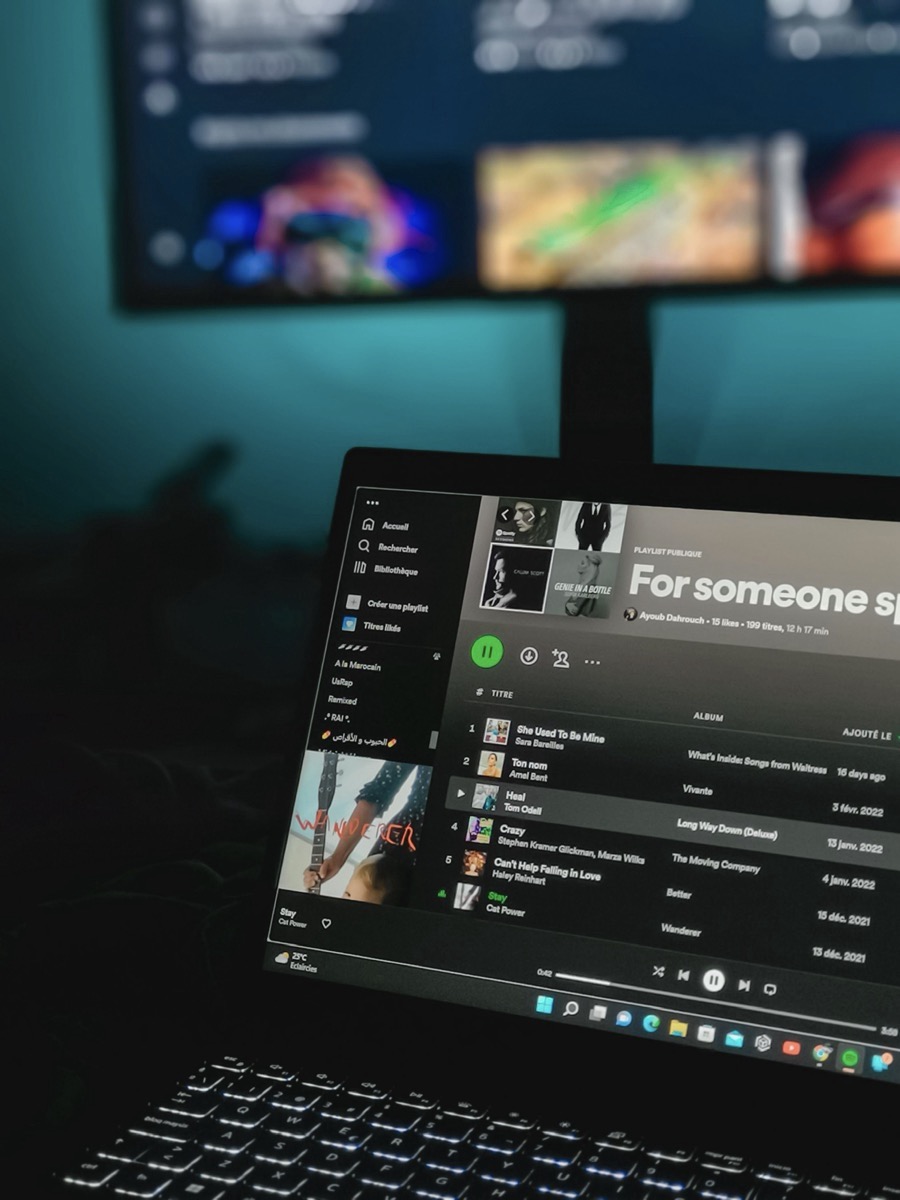
Over the past decade, streaming has become the dominant way people consume music. Platforms like Spotify, Apple Music and YouTube Music now account for the majority of recorded music revenue globally. But while streaming has made music more accessible than ever, it's also created a complex and sometimes frustrating economic landscape for working musicians.
The shift from downloads and physical sales to streaming has fundamentally altered how money flows through the industry. Artists, labels, distributors, and platforms all take cuts along the way—and understanding that chain is essential for anyone serious about building a sustainable music career.
How Streaming Payments Actually Work
Here's where the money comes from: streaming platforms generate revenue through a combination of subscription fees and advertising. A listener paying $10.99 per month for Spotify Premium, or watching ads on a free tier, generates a pool of money that the platform then distributes to rights holders.
The key word is pool. Unlike the old model where each sale generated a discrete payment, streaming uses a pro-rata system. The platform takes its cut first—typically keeping 30 to 50 percent of revenue. The rest goes into a pool that's divided based on the total number of streams each song receives relative to all streams on the platform. So a song that gets 1 million streams out of a platform's 1 trillion total streams gets a proportional slice of that revenue pool.
This system has major implications. It means that popular artists and songs with massive reach earn significantly more per stream than niche artists. A track might generate anywhere from a fraction of a cent to a few cents per stream, depending on the platform and the listener's region. Apple Music and Tidal tend to pay more per stream than Spotify, but Spotify's scale means it still drives substantial revenue for popular artists.
Why Independent Artists Are Finding New Leverage
One consequence of streaming's dominance is that independent artists and distributors have gained unexpected leverage. Major record labels can no longer control distribution entirely—digital distributors like DistroKid, CD Baby, and others allow independent artists to get music on every major platform without signing to a label.
This has sparked a wave of independent artist success stories, but it's also created competition for label services. Some major labels and distributors have responded by acquiring independent distributors or developing new deals that offer marketing, funding, and analytics in addition to simple distribution. The industry is quietly restructuring around this shift: labels are becoming service providers, not just gatekeepers.
For touring and live entertainment professionals, streaming has had another effect: it's made direct fan relationships more valuable. An artist with 100,000 loyal fans who attend shows and buy merchandise can often earn more from those fans than from streaming alone. This has reinforced the importance of building community and engaging directly with audiences—something that touring musicians have always understood.
The Bigger Picture: Consolidation and Negotiating Power
While independent distribution has flourished, the overall industry has continued to consolidate. The three major record labels—Universal Music Group, Sony Music, and Warner Music Group—control a substantial portion of global recorded music rights. These labels have substantial negotiating power with streaming platforms, which gives them leverage in licensing negotiations and algorithm placement.
Independent artists and smaller labels often find themselves with less negotiating power. A streaming platform needs Taylor Swift's catalog; a mid-level independent artist is less essential. This dynamic means that while streaming has democratized access to distribution, it hasn't completely leveled the playing field when it comes to promotion, discovery, and earning potential.
For entertainment professionals looking to maximize revenue, the takeaway is clear: streaming is just one part of a diversified income strategy. Touring, live events, merchandise, sync licensing, and direct fan support through platforms like Patreon often generate more reliable and substantial income than streaming alone.
What's Changing Next
The streaming industry continues to evolve. Some platforms are experimenting with artist-centric models that guarantee more direct payments to creators. There's ongoing debate about royalty rates and whether they fairly compensate artists. Meanwhile, live music and events—which generate revenue through tickets, sponsorships, and merchandise—remain more lucrative than recorded music for most working artists.
The lesson for musicians, DJs, comedians, and other entertainers is to stay informed about how these economics work. Understanding where money comes from, what different revenue streams pay, and how the industry is shifting helps you make smarter decisions about your career and negotiate better deals when opportunities arise.