The Rider You Actually Need (And the One You Don't)
The Rider Nobody Reads
You've probably heard the urban legends: Van Halen's brown M&Ms, Mariah Carey's white piano, some DJ's demand for exactly 47 candles. The stories are half-true and entirely beside the point. What actually happens is this: you send a rider to a venue, the booker glances at it, thinks "this person is difficult," and books someone easier instead. Then you don't understand why.
The problem isn't that riders are stupid. It's that most working entertainers treat them like legal documents that need to protect against every possible disaster, when they should be treated like operational briefs—clear, reasonable, and designed for people who actually have to execute them.
What a Rider Actually Is (and Isn't)
Your rider serves exactly one purpose: to tell a venue what you need to perform at your best. That's it. It's not a contract. It's not a power move. It's not where you list every insecurity or worst-case scenario from your last three gigs.
A real rider has three sections: technical (what equipment and setup you need), hospitality (what you need to be functional before and after), and the occasional legitimate access requirement (how many people need to be backstage, parking, load-in timing). Everything else is noise that makes bookers see you as a headache rather than a professional.
The venues that matter—the ones with actual money and repeat booking power—already have standard technical specs. They have house sound systems, lighting rigs, and green rooms. What they're reading your rider for is to find out where you're going to be difficult. If your rider is 15 pages long, they've already decided you're not worth it.
The Rider That Actually Gets You Booked
Start with the assumption that the venue knows their own space. Don't tell them how many outlets they have or that they "should" have a certain kind of monitor system. Tell them what you actually need to perform.
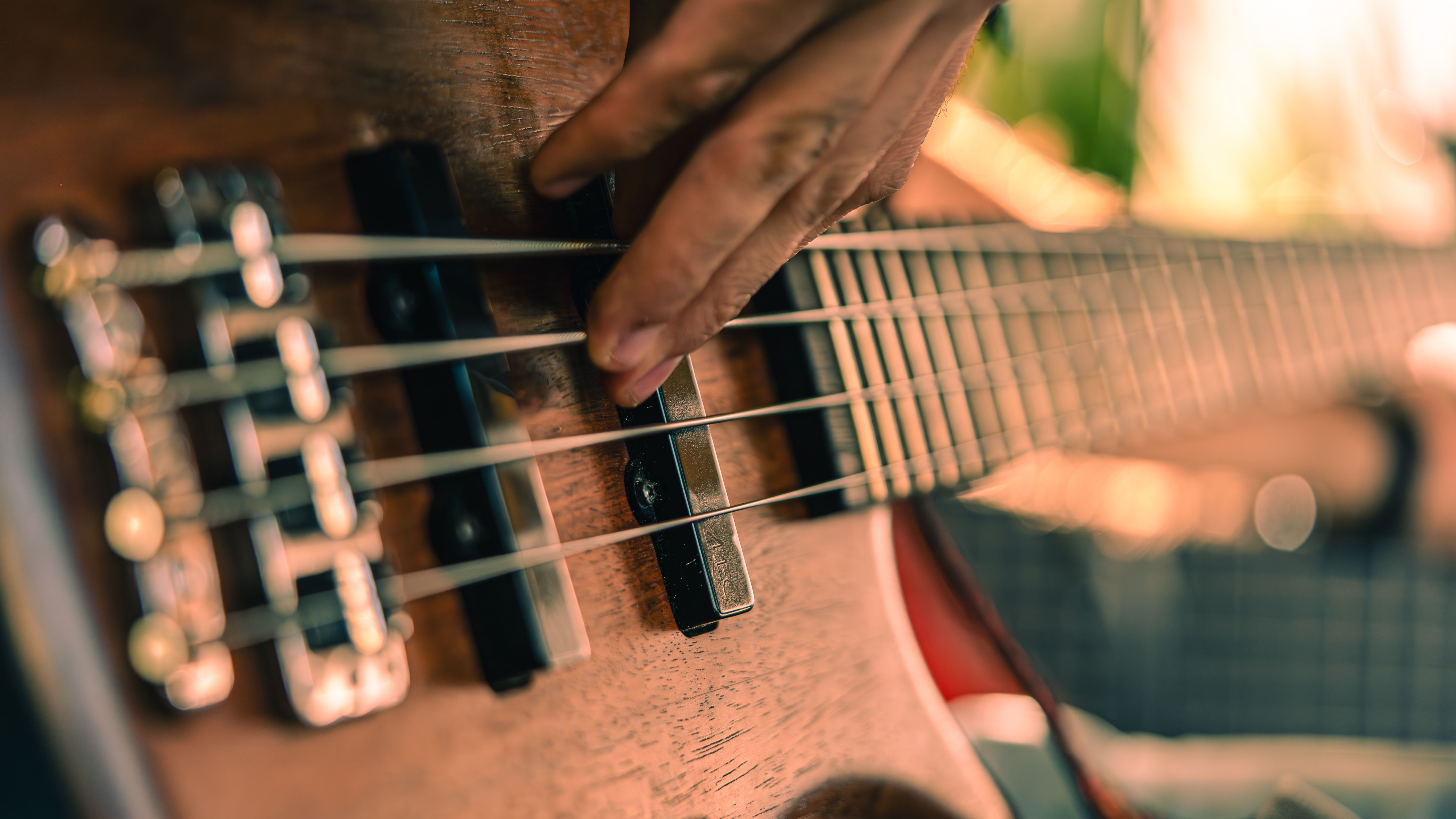
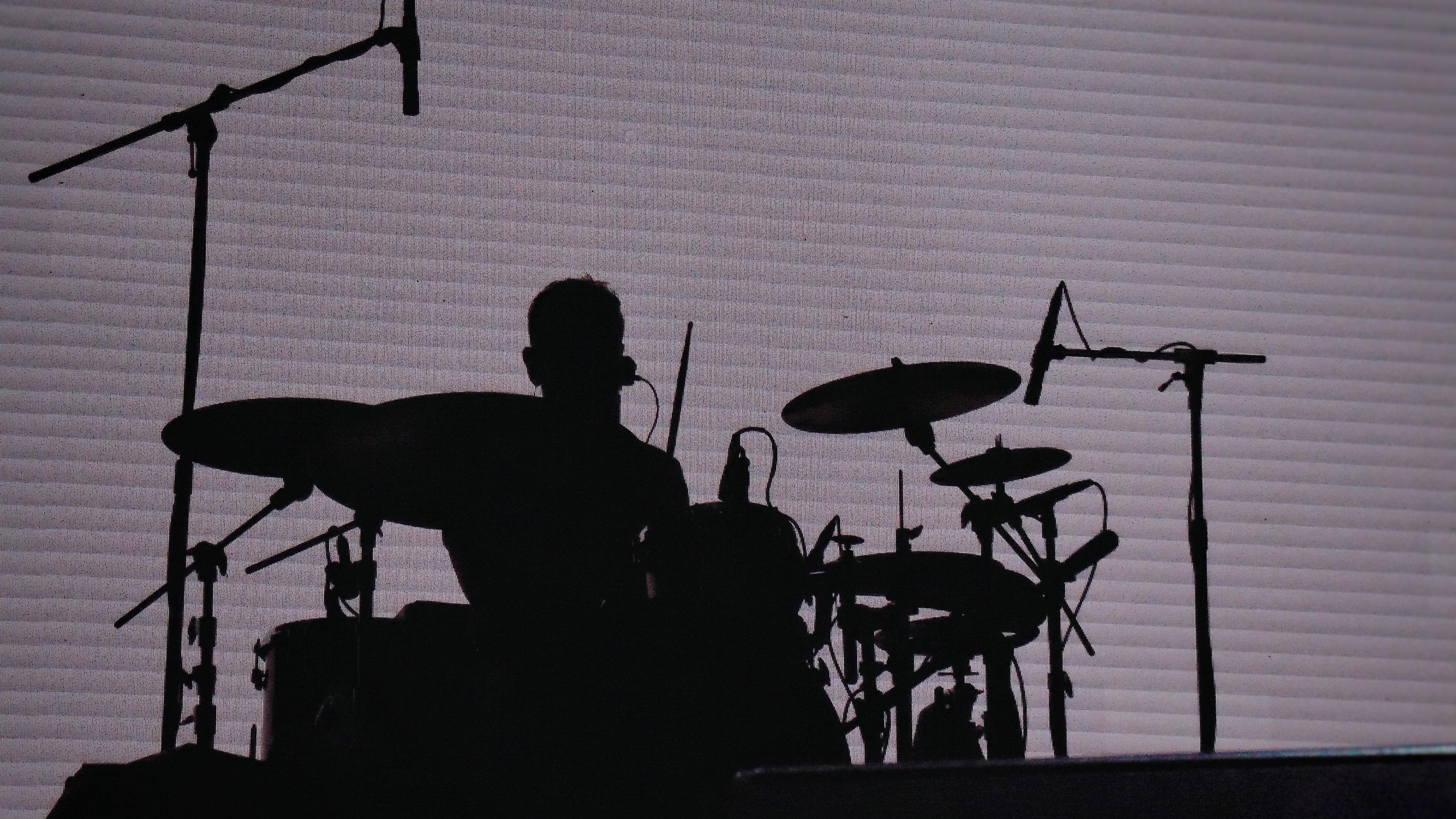
For a band or live act: your input list (how many channels, what kind of mic setup), your output needs (monitors or in-ears, how many mixes), and any specific gear you're bringing that needs accommodation (a keyboard that takes up space, a dancer who needs clear sightlines). One page. Maximum.
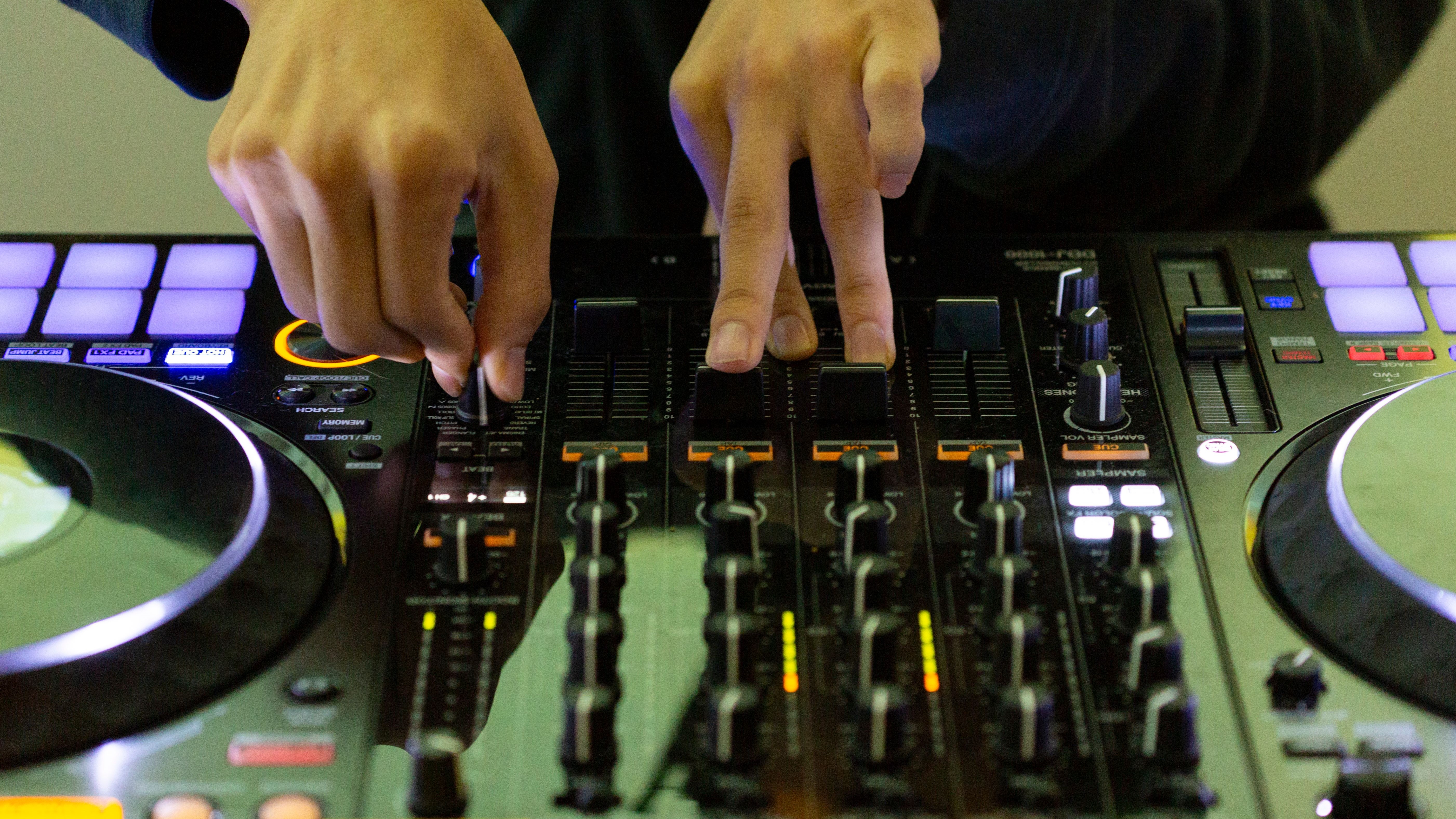
For a DJ: your format requirements (turntables, CDJs, USB/laptop), the exact model of mixer you work with if it's non-standard, and whether you need direct line-in or if their setup works. This should be two paragraphs.
For a solo act or spoken-word performer: a microphone type, whether you need music playback and in what format, and that's genuinely it.
Hospitality section: water, reasonable temperature control, and if you're traveling or performing multiple sets, a place to rest. Don't ask for sushi platters or imported beer. Venues with money will offer that. Venues without money will resent you for asking. A bottle of water and a chair are not negotiable. Everything else is a bonus.
The access section is where you're honest: you need one tech running sound and one person handling your setup, or you need a tour manager and a merch person, or you're solo and fine with whatever. Venues respect clarity more than they respect neediness.
Where Riders Actually Get You In Trouble
The biggest mistake working entertainers make is loading a rider with safety blankets for every bad experience they've had. "Must have clear written confirmation 48 hours before," "no talking during my set," "PA must not be shared," "lighting operator must have 10 years experience."
What this communicates to a venue: you're difficult, you don't trust them, and you will probably create conflict during the event. Even if you're right about the technical issues, you've now made yourself someone to avoid.
The second mistake is confusing your rider with a contract. A rider is not where you put cancellation policies, payment terms, or what happens if they oversell the show. That's a booking agreement or contract—a completely separate document. Venues that know what they're doing will have one. If they don't, that's a red flag, but your rider isn't where you fix it.
The third mistake is making your rider a marketing document. No "Please note that [your name] has performed for [clients]," no genre descriptions, no links to your Spotify. Venues already know who you are if they booked you. Your rider should read like it was written by someone who builds stages, not someone who's trying to impress people.
The Rider That Ages Well
A good rider works for your first paid gig and your hundredth. It scales. As you upgrade your gear, change your setup, or add members to your act, you update it—but the structure stays the same.
Keep two versions: a standard version for normal clubs, festivals, and venues, and a stripped-down version for smaller or DIY spaces that don't have much technical infrastructure. Don't make venues choose. Send them the version that matches their scale.
And then—this is the part most people skip—test your rider. Actually perform with the setup described in it. If something's missing or impossible, fix it. If something on there never actually matters, remove it. A rider should be a document you've actually lived inside, not a fantasy of how things could go right.
The venues that keep coming back aren't the ones impressed by your demands. They're the ones who know you'll show up, do what you said you'd do, and not create drama because they didn't have exactly the thing you asked for. Your rider should reflect that person—the one who's easy to work with, clear about what matters, and professional enough to roll with small problems. That person gets booked again. That person's career actually compounds.