Building Your Dance Reel: A Pro's Guide to Getting Seen
Why Your Reel Matters More Than Ever
In dance, your reel is often your first and only audition. Choreographers, casting directors, and venue bookers rely on reels to assess technical ability, style fit, and presence—sometimes in under 30 seconds. Whether you're pursuing commercial work, music videos, theater productions, or performance art gigs, a strong reel is non-negotiable. The barrier to entry has lowered dramatically; you don't need a production company or industry connections to create something professional-quality. What you need is strategy.
The stakes are real. A poorly shot or poorly edited reel can cost you bookings, even if your dancing is exceptional. Conversely, a thoughtfully constructed reel can open doors and establish your marketability across multiple genres and dance styles.
What to Film: Content Strategy
Resist the urge to dump every performance video you have into a reel. Instead, curate deliberately.
- Lead with your best work. The opening 3-5 seconds are critical. Show a standout moment that demonstrates both technical skill and personality. A sharp turn sequence, a powerful isolation, a moment of connection—something that makes someone want to keep watching.
- Vary your content. Include 2-3 different pieces or styles if you work across genres (commercial, contemporary, hip-hop, etc.). This shows range and versatility. If you specialize in one style, show different contexts—rehearsal footage, performance footage, freestyle movement.
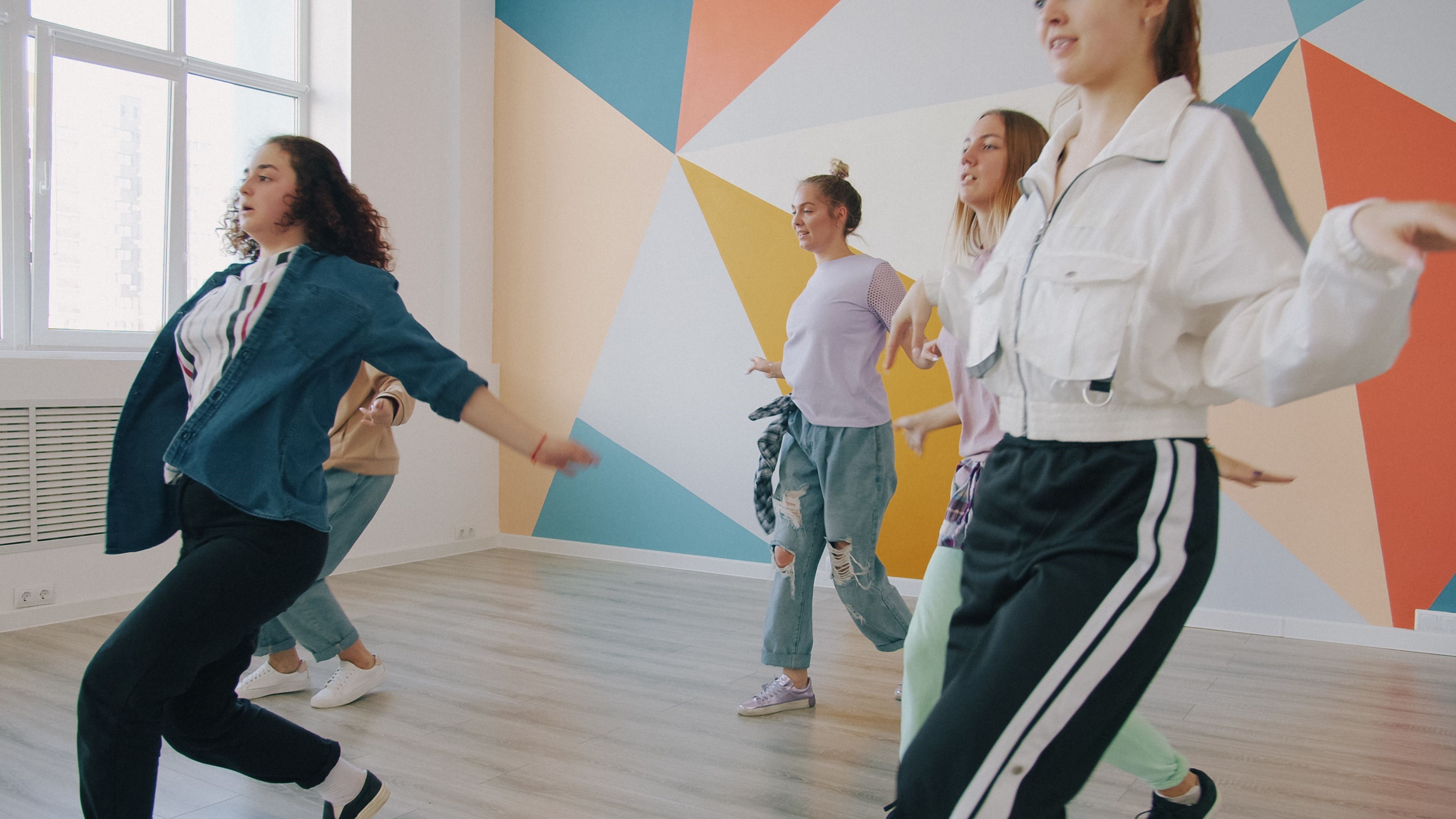
- Prioritize clean, well-lit footage. A smartphone video shot in a dance studio with good natural light and a stable camera (tripod, or held steadily by someone else) beats a poorly lit theater recording every time. Professional doesn't mean expensive; it means intentional.
- Include collaborations and recognized work. If you've danced in a music video with solid production value, been part of a known production, or worked with a recognized choreographer, that context matters. Bookers notice credibility signals.
- Show personality, not just technique. A 20-second freestyle or character moment can be more memorable than a flawless combination. Dance is human. Let yours show.
Technical Execution: The Nuts and Bolts
You don't need Hollywood equipment, but you do need to know your basics.
Filming: Use a smartphone with a recent camera. Shoot in good lighting—natural light from windows or a rehearsal studio with overhead lights beats stage lighting, which is often too dim or too colored for phone cameras. Frame yourself with space around your body (not cropped too tight) and shoot horizontally, not vertically. If filming someone else dancing, keep the camera at approximately chest height and stable.
Editing: Use free or affordable tools like CapCut, Adobe Express, or iMovie. Your edits should be minimal and purposeful—quick cuts between pieces, maybe a subtle transition, music that matches the energy of the movement. Avoid excessive effects or filters. Your dancing should be the star, not the software.
Music: Use royalty-free music or licensed tracks. Platforms like YouTube Audio Library, Epidemic Sound, and Artlist have thousands of options. If you use copyrighted music, your reel may get flagged or muted, which defeats the purpose.
Length: Aim for 60-90 seconds. Anything over two minutes risks losing attention. Casting directors and choreographers often make decisions in the first 30 seconds; the rest is confirmation.
Presentation and Platform Strategy
Where you post your reel matters as much as what's in it.
YouTube or Vimeo are professional homes for longer-form content. A Vimeo link in your bio looks more polished than a TikTok link for theater or high-end commercial work, though context matters—TikTok is increasingly legitimate for commercial and music video casting.
Instagram Reels and TikTok are where many bookers scout talent now. Post your reel, but also post snippets and behind-the-scenes content. Engagement signals (likes, comments, shares) matter, and algorithms favor consistent posting.
Your Giglive profile is a dedicated professional space. Link your reel there prominently, along with your bio, availability, and rates. Many bookers search Giglive specifically for vetted talent.
Keep versions ready: a full reel for serious auditions, a 15-30 second version for social media, and links organized in your email signature and website (if you have one).
The Reel is Never Finished
Update your reel every 6-12 months with new material, especially after significant performances or collaborations. As you grow, your reel should evolve to reflect your brand, specialization, and the work you actually want to book. A reel is a living document of your professional identity.
The goal isn't perfection—it's clarity. Make it easy for someone to see why you're the right dancer for the job. That's how reels get you booked.